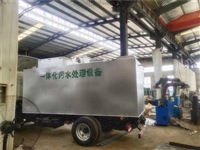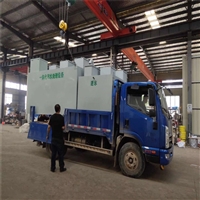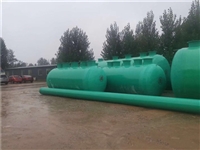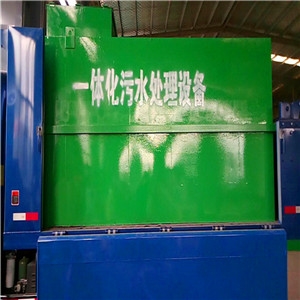

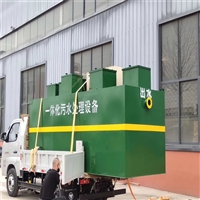
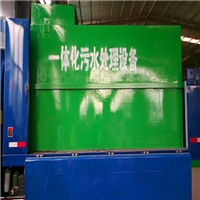


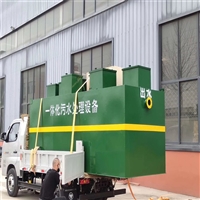
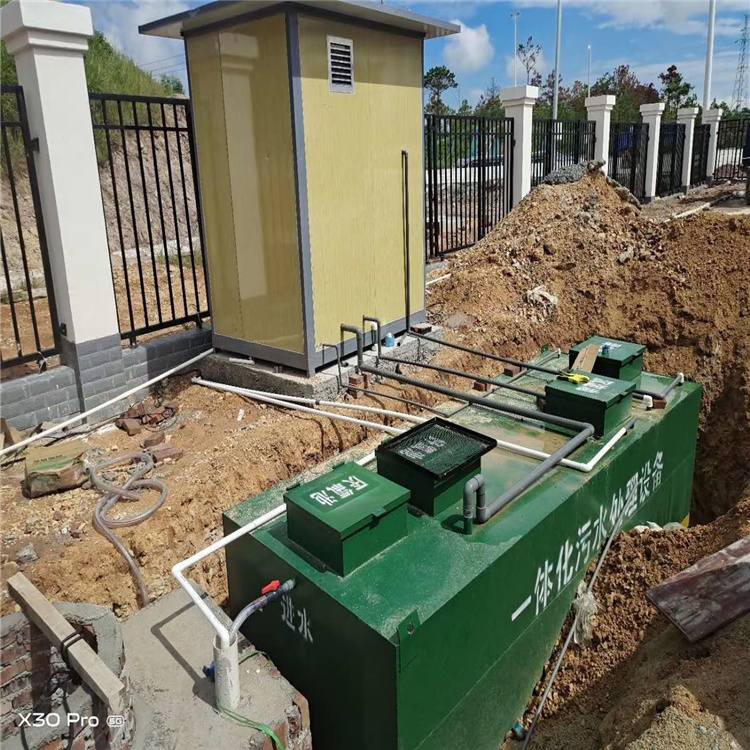
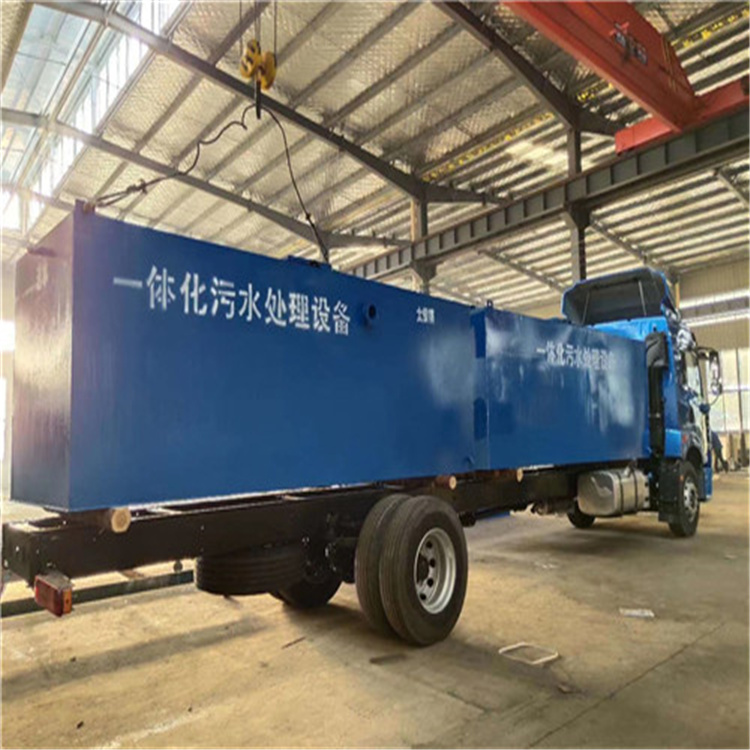
10 tons of daily non powered integrated domestic sewage treatment equipment
Category:
Environmental Protection/Sewage treatment equipment/Buried sewage treatment equipment
Model:
wsz
Brand:
Weifang Lusheng Water Treatment
Retail Price
28,000.00USD
重量
kg
- Product Description
-
Description :
10 tons of daily non powered integrated domestic sewage treatment equipment
In the process of degrading substrates, microorganisms transfer the released electrons to electron carriers such as NAD (P), FAD, or FMN, and then transfer them to external electron acceptors through an electron transfer system, thereby generating water or other reduced products and releasing energy. This process is called respiration. Among them, aerobic respiration refers to the use of molecular oxygen as the terminal electron acceptor, while anaerobic respiration refers to the use of oxidative compounds as the terminal electron acceptor.
The fundamental difference between respiration and fermentation is that the electron carrier does not directly transfer electrons to the intermediate products of substrate degradation, but rather to the electron transfer system, gradually releasing energy before taking the final electron acceptor.
aerobic respiration
During the fermentation process, the acid formed by glycolysis is transformed into different fermentation products under anaerobic conditions. However, during aerobic respiration, the acid enters the tricarboxylic acid cycle (TCA) and is completely oxidized into water and CO2, while releasing a large amount of energy.
During the TCA cycle, the acid is completely oxidized to three molecules of CO2, while generating four molecules of NADH and one molecule of FADH2. NADH and FADH2 can be re oxidized through the electron transfer system, resulting in the production of three molecules of ATP for each oxidized molecule of NADH and two molecules of ATP for each oxidized molecule of FADH2.
In addition, succinyl CoA undergoes substrate level phosphorylation when oxidized to fumarate, resulting in the production of a molecule of GTP, which is then converted to ATP. Therefore, each TCA cycle can generate 15 molecules of ATP.
In addition, the two molecules of NADH produced during glycolysis can be re oxidized through the electron transfer chain system, producing six molecules of ATP. When converted into two molecular acids, two molecules of ATP can also be generated through substrate level phosphorylation. During the complete oxidation process, aerobic microorganisms can obtain a total of 38 molecules of ATP.
NADH and FADH2 formed during glycolysis and the tricarboxylic acid cycle are oxidized through an electron transfer system, ultimately forming ATP to provide energy for microbial life activities. The electron transfer system is a multi enzyme redox system composed of a series of hydrogen and electron transporters.


AfterSalesService :
Key words:- Domestic sewage treatment equipment