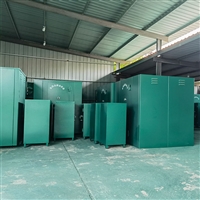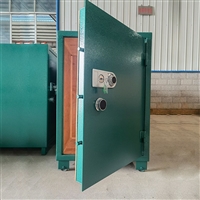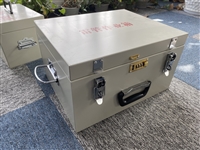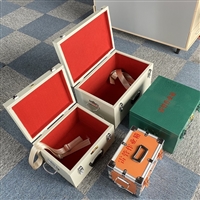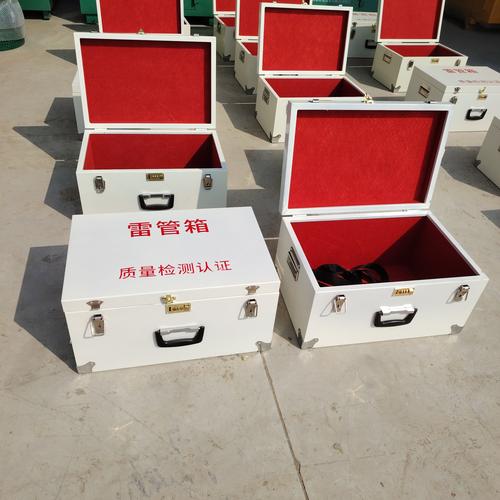

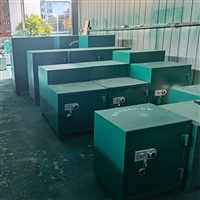
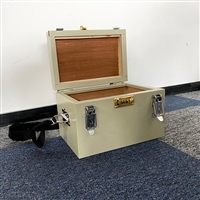
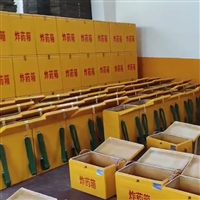
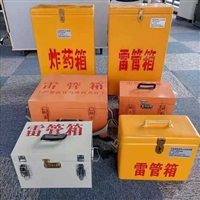
The mining explosion-proof box is sturdy, durable, and safe, suitable for mining blasting operations
Category:
Security/Explosion proof equipment/Explosion proof equipment
Model:
KL-BLG200
Brand:
chiron
Material:
Cold rolled steel plate/stainless steel
wall thickness:
3-5mm
Structure:
Explosive detonator compartment
Lock type:
Double person double lock/explosion-proof lock
Surface Treatment:
Spray coating/galvanized anti-corrosion
Transportation method:
Lifting/Forklift/Handheld
Applicable Environment:
Mining/Tunnel/Hydraulic Engineering
safety standards:
Compliant with the Regulations on the Management of Civil Explosives
Retail Price
10,000,000.00USD
重量
kg
- Product Description
-
Material Cold rolled steel plate/stainless steel
wall thickness 3-5mm
Structure Explosive detonator compartment
Lock type Double person double lock/explosion-proof lock
Surface Treatment Spray coating/galvanized anti-corrosion
Transportation method Lifting/Forklift/Handheld
Applicable Environment Mining/Tunnel/Hydraulic Engineering
safety standards Compliant with the Regulations on the Management of Civil Explosives
Description :
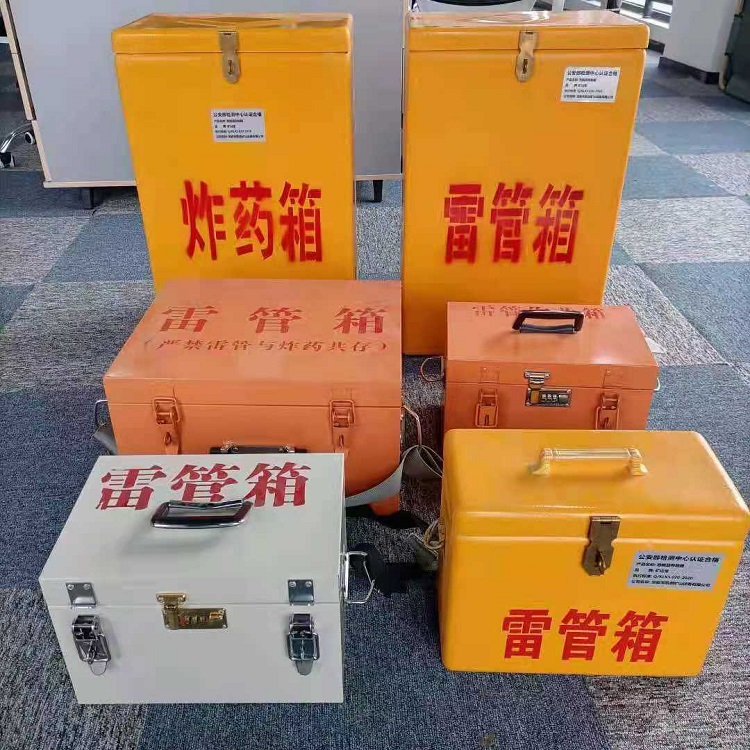
Blasting box is a temporary storage and transportation container for civil explosives designed specifically for mining, tunnel, and water conservancy construction sites. Its core solution is to ensure the safety and protection of civil explosives during short distance transportation and underground temporary storage. Typical working conditions include open-pit mine blasting points, underground tunnel excavation faces, and large-scale earthwork excavation sites. This category uses physical isolation and structural reinforcement to prevent external impact, compression, or accidental ignition sources from causing explosion accidents, ensuring the safety of operators and equipment. As a key hardware in the mining safety management system, the blasting box needs to have extremely high impact resistance and sealing, adapt to harsh environments such as humidity, high dust, and strong vibration, and is a necessary supporting facility for compliant blasting operations.
In terms of specifications, blasting boxes are usually made of high-quality cold-rolled steel plates or stainless steel plates welded together, and the wall thickness of the box body is generally between 3mm and 5mm to ensure sufficient structural strength. The surface of the box is treated with rust and corrosion prevention, such as spraying or galvanizing, to extend its service life. Common sizes are customized according to capacity requirements, with small portable sizes accommodating approximately 50-100kg and large fixed sizes up to 500kg or more. The lock adopts a double lock design or a dedicated explosion-proof lock, and the key is kept by different personnel to ensure compliance with the access process. Permanent lifting rings or forklift slots at the bottom for easy mechanical handling.
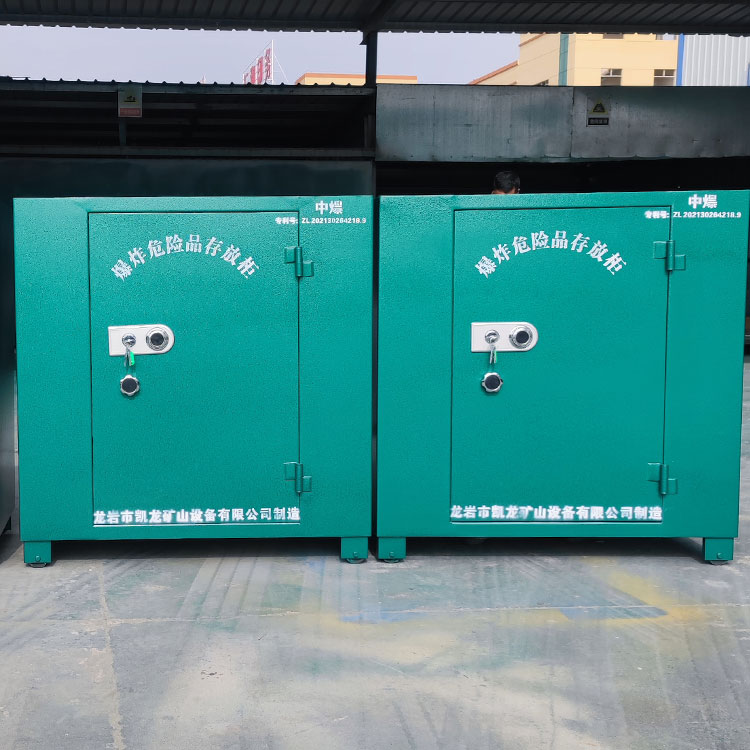
When selecting, it is necessary to clarify whether the usage scenario is underground or outdoor. For underground use, additional attention should be paid to size limitations to ensure that it can pass through the tunnel section and lift the cage. If used for temporary transit, a wheeled or lightweight structure should be selected; If used for temporary storage at fixed sites, heavy-duty floor standing is preferred. Attention should be paid to the essential differences between the blasting box and the ordinary toolbox. The former must have anti-static, anti-collision spark and explosion-proof pressure relief design, and it is strictly prohibited to use ordinary iron boxes as substitutes. When purchasing, it should be confirmed whether the product has a safety performance inspection report issued by a third-party testing agency and whether it meets the filing requirements of the local safety supervision department. For high gas mines, it is also necessary to check the effectiveness of the grounding terminals and anti-static coatings on the box body to avoid the risk of static electricity accumulation.
In terms of installation and maintenance, the blasting box should be placed in a safe location that is dry, well ventilated, and away from heat sources, power sources, and densely populated areas. The bottom should be elevated to prevent moisture. In daily use, it is strictly prohibited to store civilian explosives in excess, store them separately, and mix them up. After each use, the door lock, hinge, and sealing strip of the box should be checked for integrity. If any deformation, rust, or damage to the lock is found, it should be repaired or replaced in a timely manner. It is strictly prohibited to operate with defects. Regularly clean the residual powder and debris inside the box to maintain internal cleanliness. In thunderstorm weather or high temperature season, the frequency of inspections should be strengthened to monitor temperature changes inside the monitoring box. Common faults include lock cylinder jamming, hinge breakage, etc., which require specialized tools for simple repair. Severe structural damage should be immediately scrapped and replaced to ensure continuous compliance with safety protection standards.
AfterSalesService :
Key words:
More Products