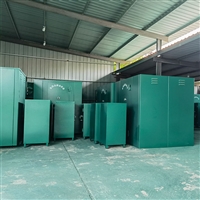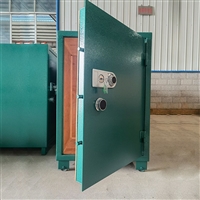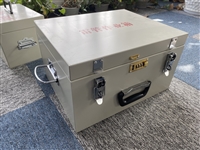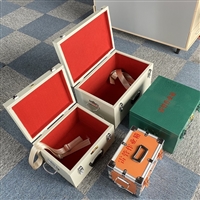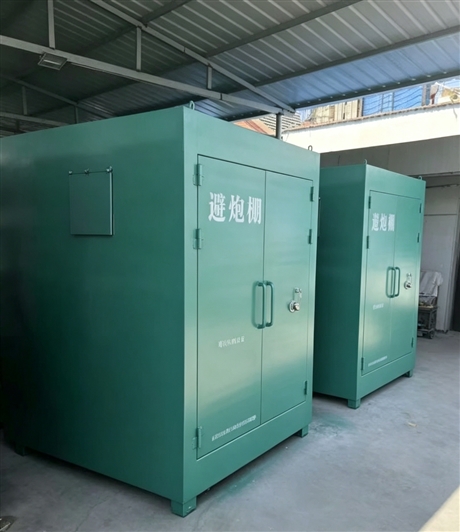

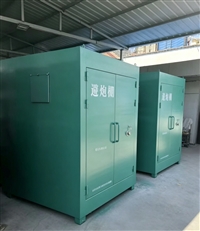
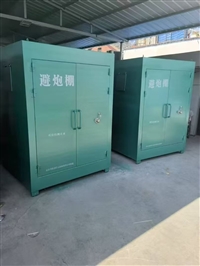
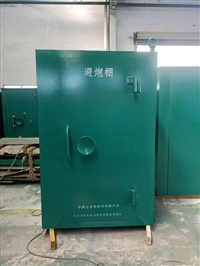
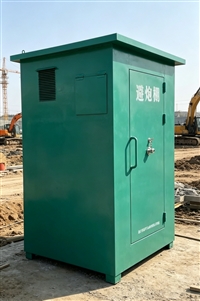
Explosion proof steel plate material for safety protection facilities for underground blasting in mining blast shelters
Category:
Security/Explosion proof equipment/Explosion proof equipment
Model:
KL001
Brand:
chiron
Main structural material:
High strength channel steel/I-beam
Protective layer material:
Steel plate/rubber/flame-retardant canvas
Applicable roadway width:
2.0-3.5 meters
Applicable tunnel height:
2.2-2.8 meters
compressive strength:
≥50kN
mode of movement:
Sliding rail/wheel/fixed type
flame retardant performance:
Complies with MT standards
Explosion-proof rating:
Underground universal
Surface Treatment:
Anti rust paint spraying
Retail Price
10,000,000.00USD
重量
kg
- Product Description
-
Main structural material High strength channel steel/I-beam
Protective layer material Steel plate/rubber/flame-retardant canvas
Applicable roadway width 2.0-3.5 meters
Applicable tunnel height 2.2-2.8 meters
compressive strength ≥50kN
mode of movement Sliding rail/wheel/fixed type
flame retardant performance Complies with MT standards
Explosion-proof rating Underground universal
Surface Treatment Anti rust paint spraying
Description :
A blast shelter is a temporary safety protection facility specifically designed for underground blasting operations in mines. It is mainly used to protect workers and equipment from direct damage caused by flying rocks, impact waves, and harmful gases generated by blasting. When conducting blasting operations in non coal and coal mining areas such as coal mines and metal mines, personnel need to evacuate to a safe distance or enter a blast shelter to avoid it. This device solves the problems of poor protection and time-consuming construction in traditional avoidance methods, providing a relatively enclosed and sturdy safe shelter space for underground construction personnel. Typical working conditions include high-frequency blasting operations such as rock tunnel excavation and chamber excavation.
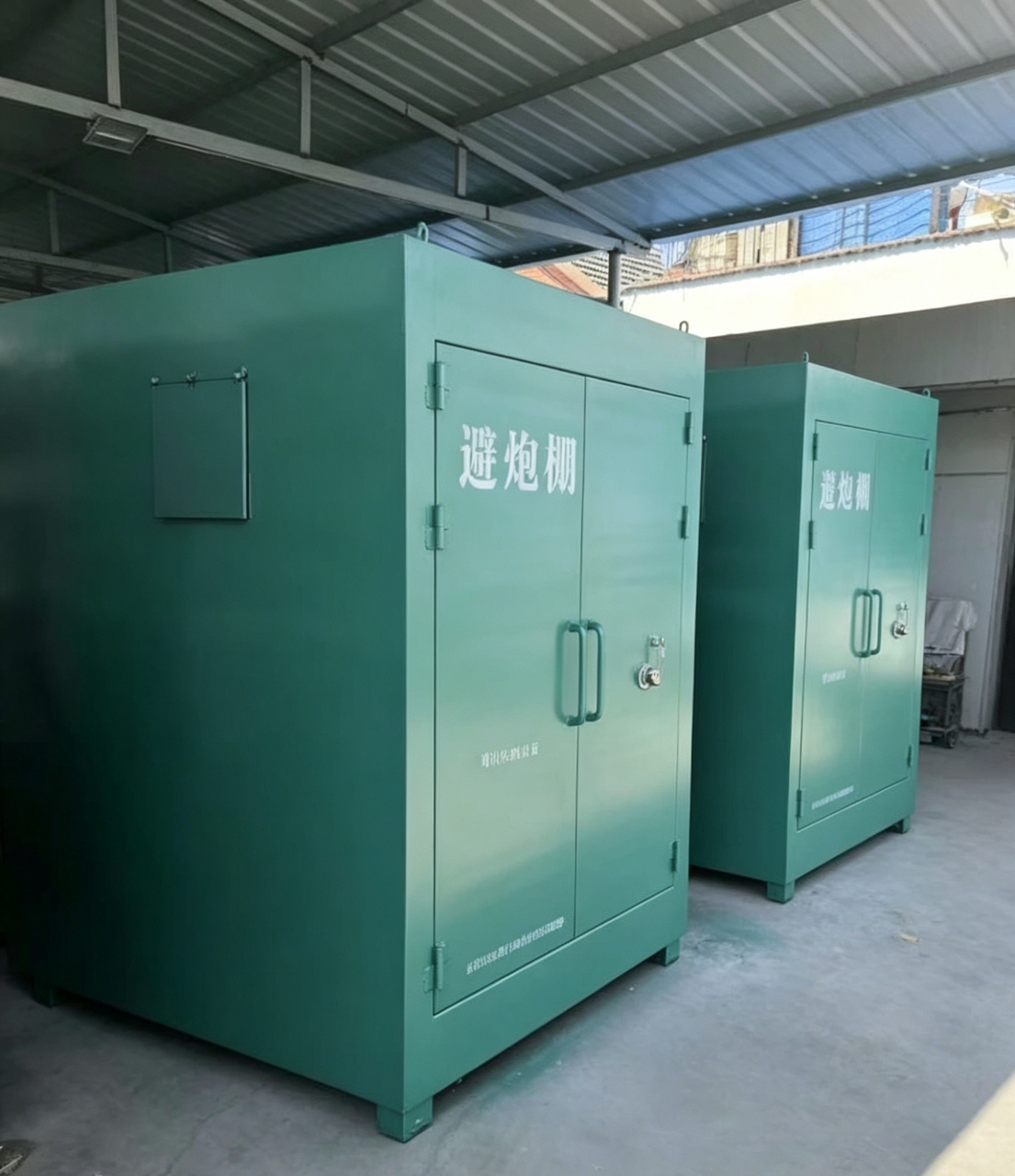
The main structure of the blast shelter is usually welded with high-strength channel steel, I-beams, or specialized steel sections, and covered with multiple layers of protective materials such as steel plates, rubber pads, waste conveyor belts, or flame-retardant canvas to absorb impact energy and block gravel penetration. The common specifications and dimensions are designed according to the cross-section of the tunnel, with a width generally between 2.0 meters and 3.5 meters, a height of 2.2 meters to 2.8 meters, and a length of 3.0 meters to 5.0 meters, which need to be adapted to the tunnel specifications of different mines. The product complies with coal mine safety regulations and relevant industry standards, and has performance such as compression resistance, impact resistance, flame retardancy, and anti-static. Some high-end models are equipped with simple ventilation interfaces or observation windows to ensure internal air circulation and clear visibility, meeting the requirements of standardized mining safety production.
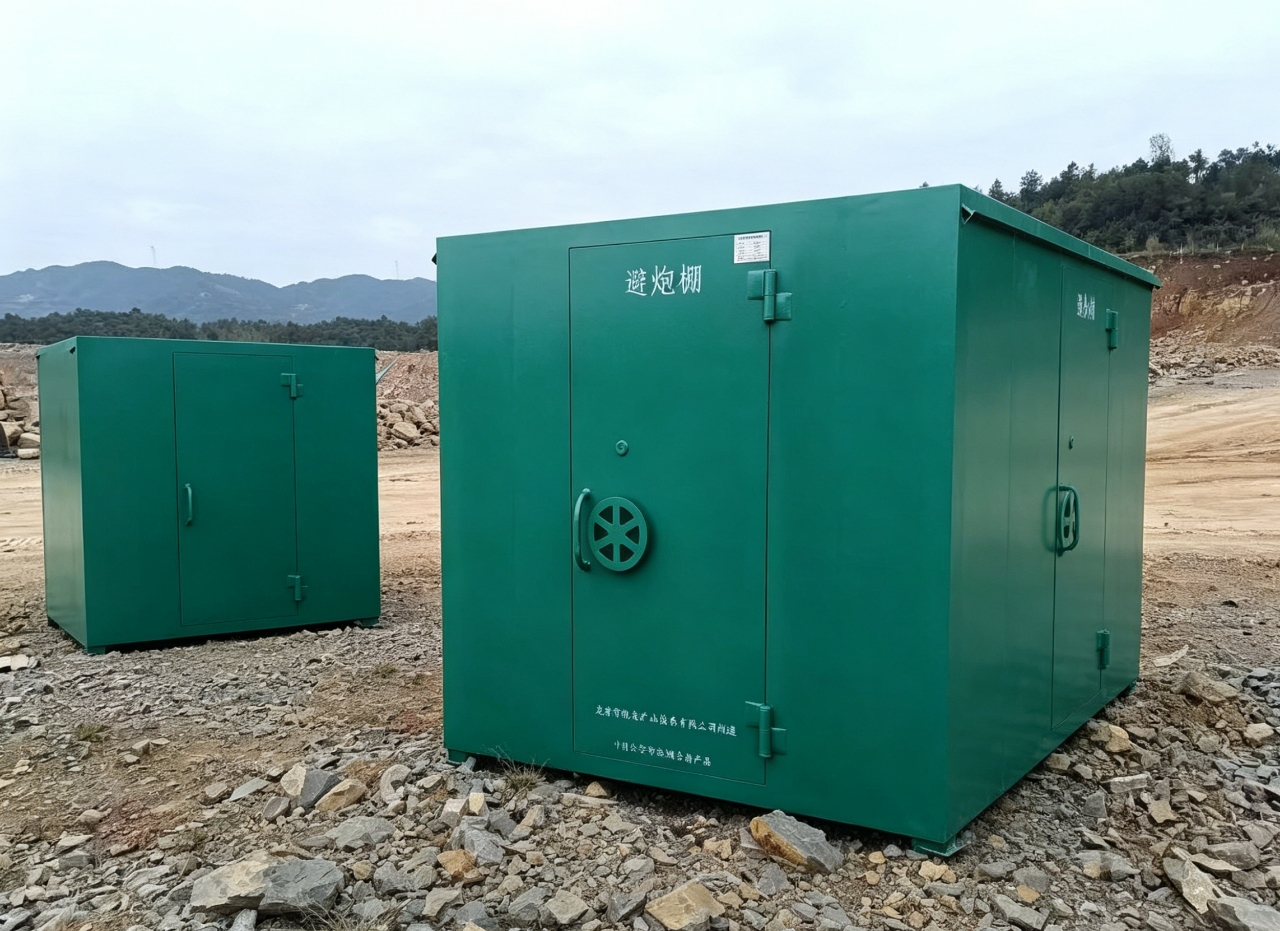
When selecting a blast shelter, it is important to consider the size of the tunnel section, blasting yield, and frequency of movement. For main tunnels with larger cross-sections, a wide body reinforced structure should be selected; For frequently moving work surfaces, it is advisable to use movable blast shelters with sliding rails or wheels to reduce the labor intensity of handling. It should be noted that the blast shelter is different from a permanent refuge chamber. It is only used for short-term blasting evasion and is not suitable as a place for long-term residence or storage of precision instruments. Compared with simple shelters, regular blast shelters have clearer structural strength indicators and certification procedures. When purchasing, it should be confirmed whether they have a mining product safety mark certificate (MA certification) to ensure compliant use.
When installing a blast shelter, it should be selected in a roadway section with intact roof and good support, and the bottom should be firmly fixed to prevent displacement or overturning caused by blasting vibration. In daily maintenance, it is necessary to regularly check whether the main steel structure is deformed, whether the welds are cracked, and whether the protective layer is damaged or aged. If any damage is found, it should be repaired or replaced in a timely manner. After each blasting, the integrity of the shed and the surrounding roadway support should be checked to confirm that there are no safety hazards before it can be used again. Common faults include loose connectors, detachment of protective materials, etc. It is recommended to establish a regular inspection system, record the frequency of use and maintenance status, extend the service life of the equipment, and ensure the continuous provision of reliable safety protection.
AfterSalesService :
Key words:
More Products