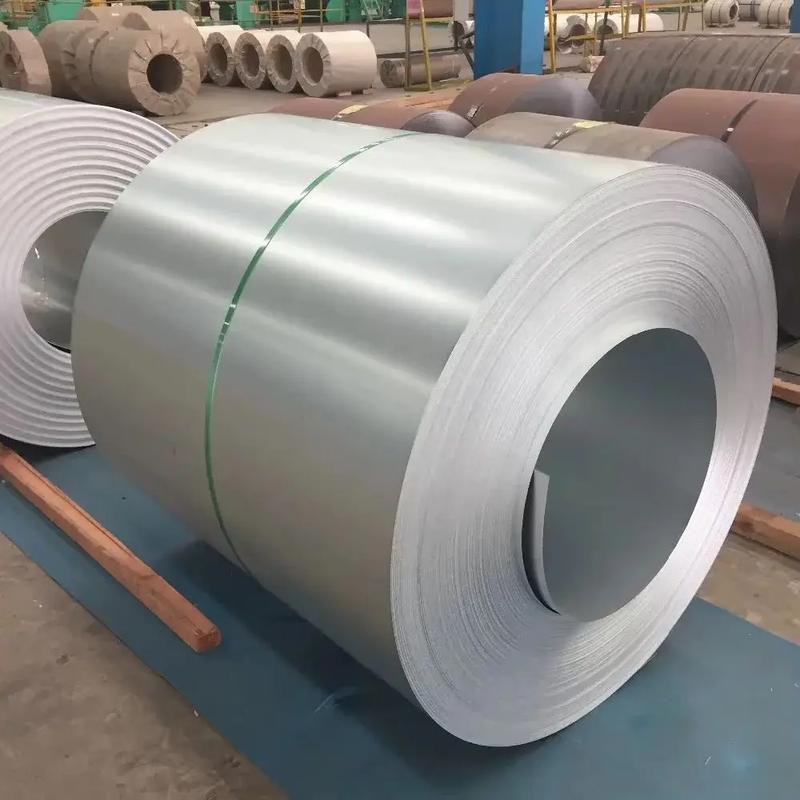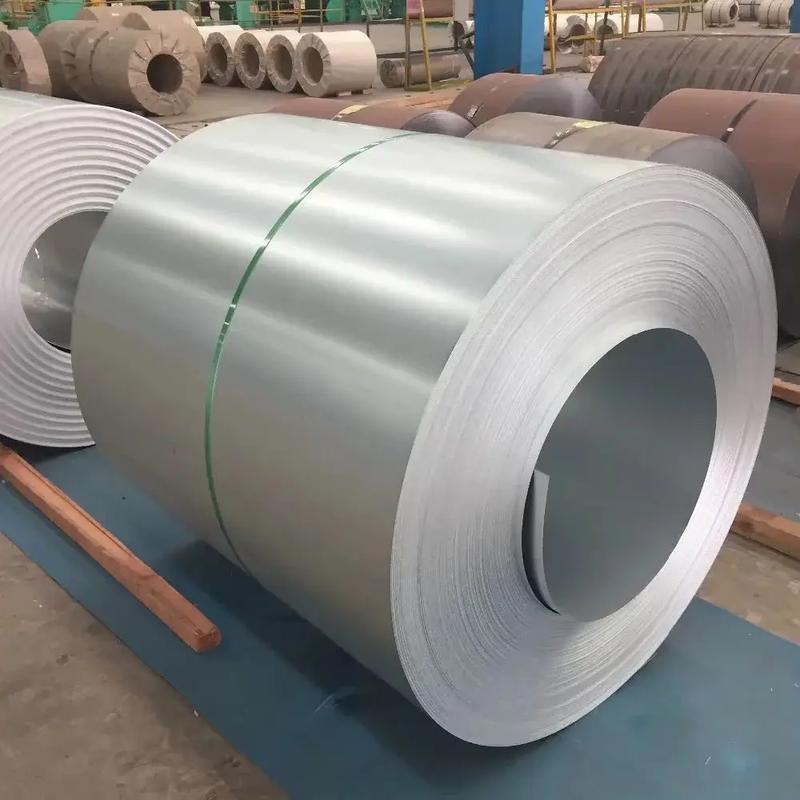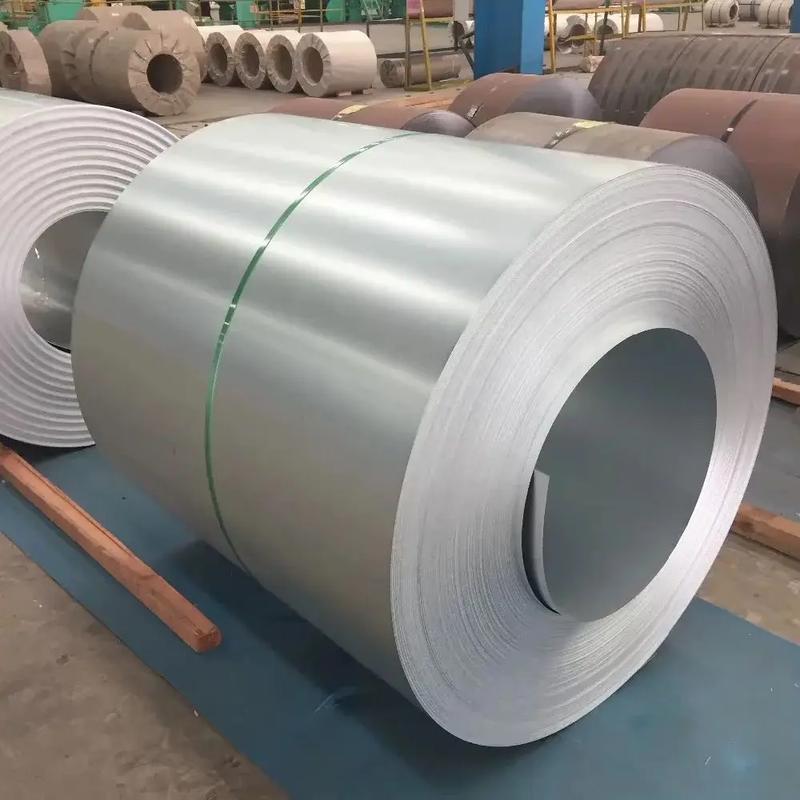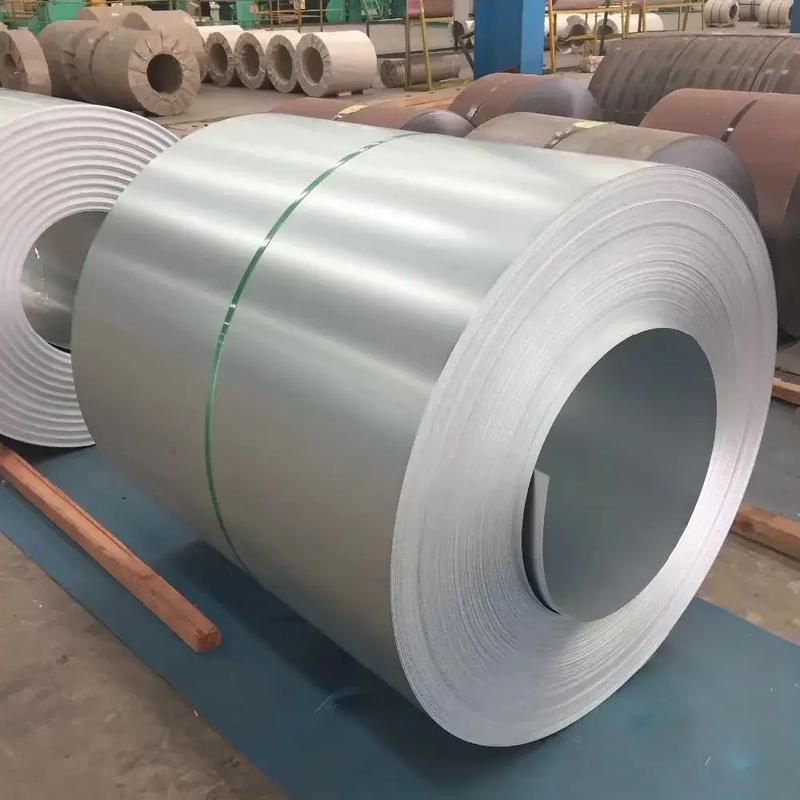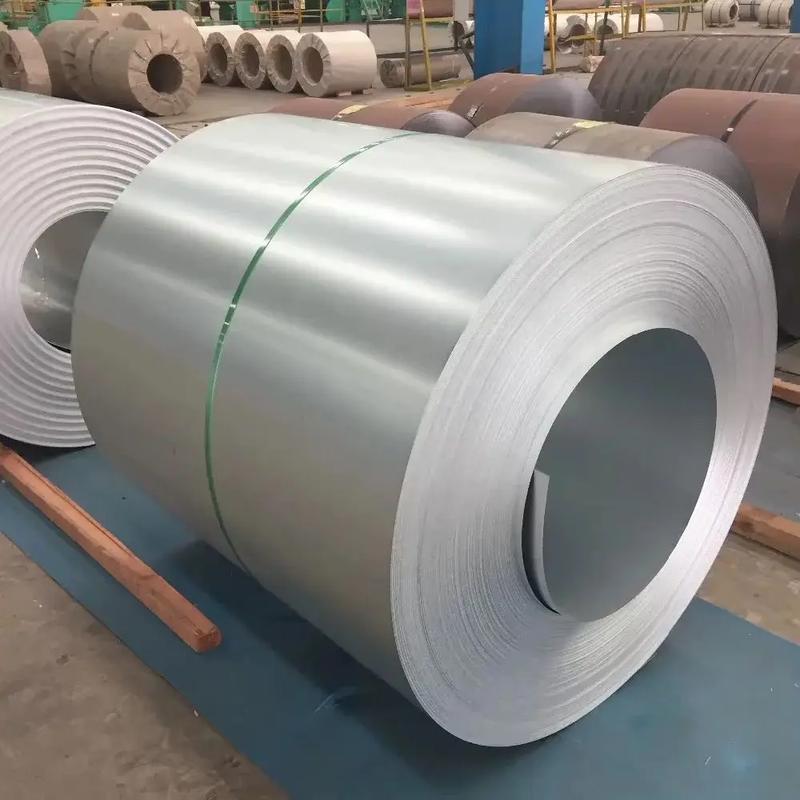

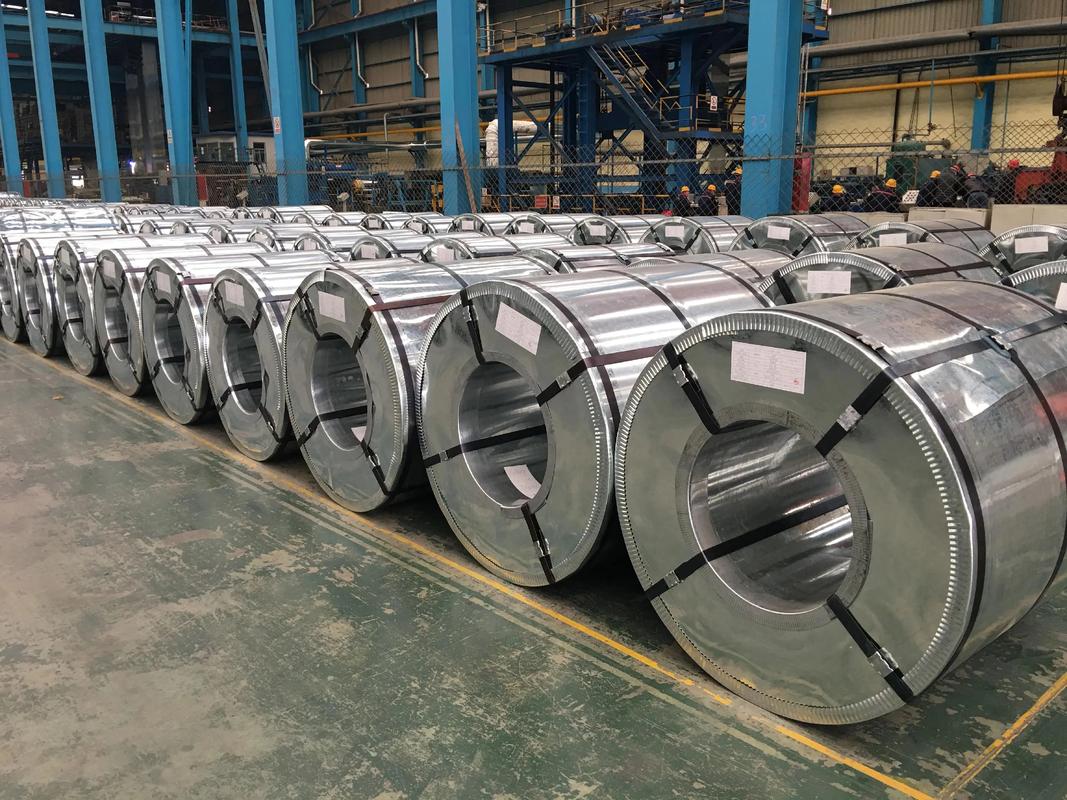
WISCO galvanized coil zinc layer 120g specification 0.75 * 1250 * C cold-rolled substrate
Category:
metallurgy/Coated products/Galvanized sheet
Model:
0.75*1250*C
Brand:
WISCO
Zinc Coating Weight:
120g/m²
thickness:
0.75mm
width:
1250mm
Material:
Cold rolled substrate
Execution Standard:
GB/T 2518-2019
Surface Treatment:
hot-dip galvanizing
Place of Origin:
Wuhan
Packaging method:
Steel coil packaging
Retail Price
10,000,000.00USD
重量
kg
- Product Description
-
Zinc Coating Weight 120g/m²
thickness 0.75mm
width 1250mm
Material Cold rolled substrate
Execution Standard GB/T 2518-2019
Surface Treatment hot-dip galvanizing
Place of Origin Wuhan
Packaging method Steel coil packaging
Description :
Wuhan Iron and Steel Galvanized Coil is a protective steel material coated with a layer of metallic zinc on the surface of cold-rolled steel plates, mainly to solve the problem of rusting of steel materials in humid or corrosive environments. This product forms a strong bond between the zinc layer and the substrate through hot-dip or electroplating processes, providing sacrificial anode protection. Typical working conditions include the manufacturing of building structural components, household appliance casings, automotive spare parts, and ventilation ducts. The weight of the zinc layer is 120g/m ², which belongs to the medium anti-corrosion level and is suitable for long-term use in general atmospheric environments. It can effectively extend the service life of the substrate and reduce maintenance costs. It is a widely used basic raw material in industrial manufacturing.
The specifications of the galvanized coil from Wugang are a thickness of 0.75mm, a width of 1250mm, and a length calculated by coil (C represents Coil). The zinc layer adhesion is 120 grams per square meter (double-sided). The substrate is usually low carbon steel or low alloy steel, which complies with the national standard GB/T 2518-2019 "Continuously hot-dip galvanized steel sheet and strip". Surface quality is usually divided into normal zinc flowers, small zinc flowers, or no zinc flowers, depending on the production process. The material has good formability and welding performance, with a tensile strength generally between 270-500MPa and a moderate yield strength, making it easy for subsequent stamping, bending and other processing operations. The dimensional tolerance is controlled within the allowable range of national standards to ensure processing accuracy.
When selecting, special attention should be paid to the matching between the weight of the zinc layer and the strength of the substrate. 120g zinc coating is suitable for ordinary anti-corrosion needs. If it is in a high humidity, acid alkali corrosion environment, it is recommended to choose products with higher zinc coating (such as 180g, 275g) or zinc aluminum magnesium coating. 0.75mm thickness belongs to the category of thin plates and is suitable for components that are sensitive to weight or require complex molding. It is not suitable for load-bearing structural main beams. Compared with cold-rolled sheets, galvanized coils from Wuhan Iron and Steel Corporation have anti-corrosion advantages; Compared with stainless steel, it has lower cost but limited anti-corrosion life. When purchasing, it should be clarified whether passivation treatment or oil coating is needed to prevent white rust during transportation and storage.
Before installation and use, the galvanized coil of Wugang should be kept dry and clean on the surface to avoid scratching the zinc layer. After cutting, the section needs to be repaired with zinc rich paint to prevent corrosion of the incision. When storing, it should be placed indoors in a ventilated and dry place, with a moisture-proof pad at the bottom to avoid white or black spots caused by prolonged outdoor storage. Daily maintenance mainly involves regularly checking the surface condition, removing dust and corrosive media. Common faults include zinc layer detachment caused by transportation bumps, oxidation discoloration caused by improper storage, etc. During processing, attention should be paid to the cleanliness of the mold to prevent the accumulation of zinc powder from affecting the surface quality of the product. The stamping gap should be adjusted reasonably to reduce burrs.
AfterSalesService :
Key words:
More Products