
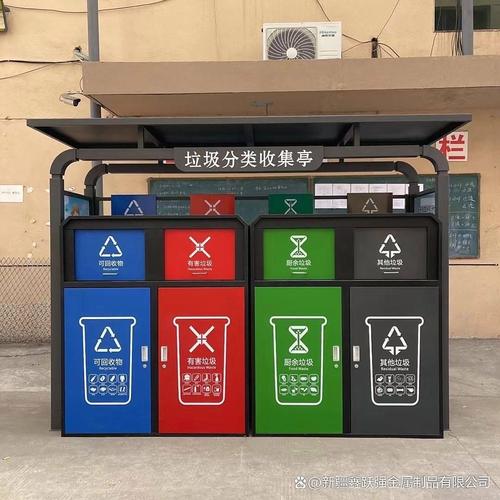
Outdoor galvanized steel stainless steel classification garbage bin, fruit skin box, garbage booth room, rust proof, anti-corrosion and durable
Category:
Environmental Protection/Public sanitation facilities/Classified trash can
Model:
Customization Based on Your Design
Brand:
Boxin
Material:
High quality galvanized steel/stainless steel
workmanship:
Rust and anti-corrosion treatment
Applicable Environment:
outdoors
Durable life:
10 years
Product Type:
Sorting garbage bins/fruit peels/garbage booth rooms
Surface Treatment:
Electrostatic spraying/drawing
structural characteristics:
With lid/multiple ports/built-in inner liner
Retail Price
10,000,000.00USD
重量
kg
- Product Description
-
Material High quality galvanized steel/stainless steel
workmanship Rust and anti-corrosion treatment
Applicable Environment outdoors
Durable life 10 years
Product Type Sorting garbage bins/fruit peels/garbage booth rooms
Surface Treatment Electrostatic spraying/drawing
structural characteristics With lid/multiple ports/built-in inner liner
Description :
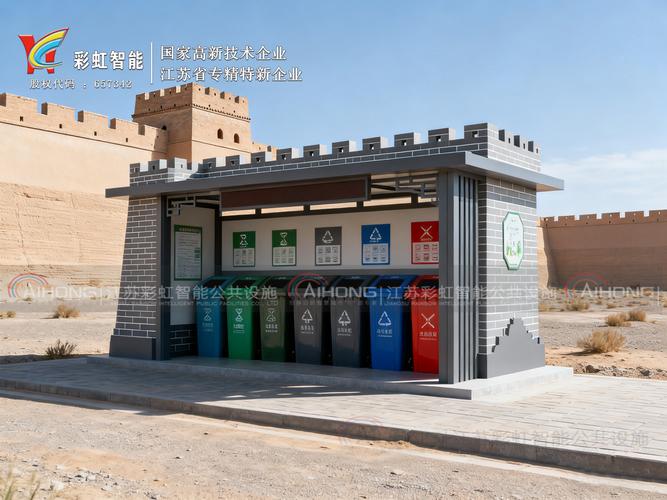
The classified garbage bin is the core facility for urban sanitation and public space garbage collection, mainly solving the problems of garbage classification and disposal, centralized collection, and appearance beautification. This category covers various forms such as outdoor fruit peels, large garbage kiosks, etc., and is suitable for typical working conditions such as parks, streets, residential areas, schools, etc. Through reasonable structural design, achieve dry wet separation or sorting of recyclable materials and other garbage, and improve subsequent processing efficiency. The application of high-quality galvanized steel and stainless steel materials ensures the structural stability of the product under high-frequency use, meeting the dual needs of modern urban management for hygiene and aesthetics.
In terms of specifications, classified garbage bins are usually made of high-quality galvanized steel or 304/201 stainless steel sheets with a thickness of 1.0-2.0mm. The process involves laser cutting, bending, welding, and polishing, followed by electrostatic spraying or wire drawing treatment on the surface, resulting in excellent rust and corrosion resistance. The implementation standard refers to CJ/T 284-2008 "General Technical Conditions for Plastic Garbage Can" or relevant metal container standards, and some high-end products have passed ISO9001 quality system certification. The structural design includes a rainproof top cover, a built-in inner liner, and foot operated opening or opening limit devices to ensure that it can be used for more than 10 years in harsh outdoor environments, adapting to weather conditions such as rain, snow, and sun exposure.
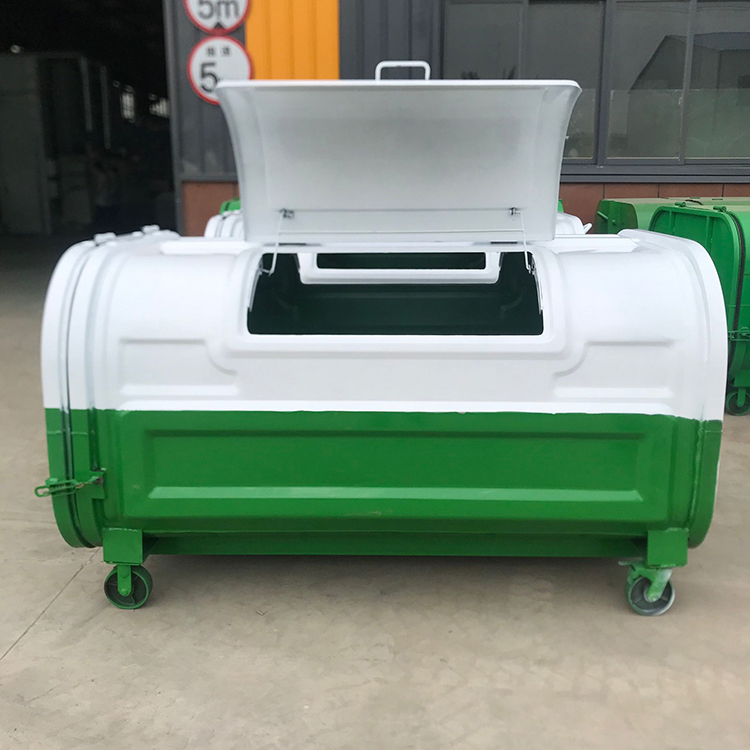
When selecting, it is necessary to clarify the usage scenario and pedestrian flow. For high flow areas such as commercial streets and stations, it is recommended to choose large capacity and multi outlet classified garbage bins or garbage kiosks. The preferred material is 304 stainless steel to enhance corrosion resistance; Ordinary residential areas or parks can choose galvanized steel spray coating, which has high cost-effectiveness and customizable colors. If you need to distinguish kitchen waste from other garbage, you should choose a covered style with good sealing; If the focus is on collecting recyclable materials, a large opening design should be considered. Pay attention to distinguishing the functional differences between simple fruit peels and large garbage stations. The former focuses on sporadic garbage disposal, while the latter emphasizes centralized transportation and classification management to avoid space waste caused by selecting too large or overflowing due to being too small.
In terms of installation and maintenance, the bottom of the garbage bin is usually reserved with expansion screw holes, which need to be fixed on the hardened ground to prevent tipping or being blown away by the wind. Daily maintenance recommendations include regularly cleaning surface stains, checking the flexibility of moving parts such as hinges and locks, and promptly replacing damaged inner bags. Common faults include nozzle deformation, paint peeling, or internal rusting. Once discovered, they should be repaired promptly to prevent further deterioration. In cold regions during winter, be careful to prevent water accumulation and freezing from causing the box to crack. Regularly fastening connectors during a reasonable usage cycle can extend the overall service life and maintain the good image and functional integrity of public facilities.
AfterSalesService :
Key words: