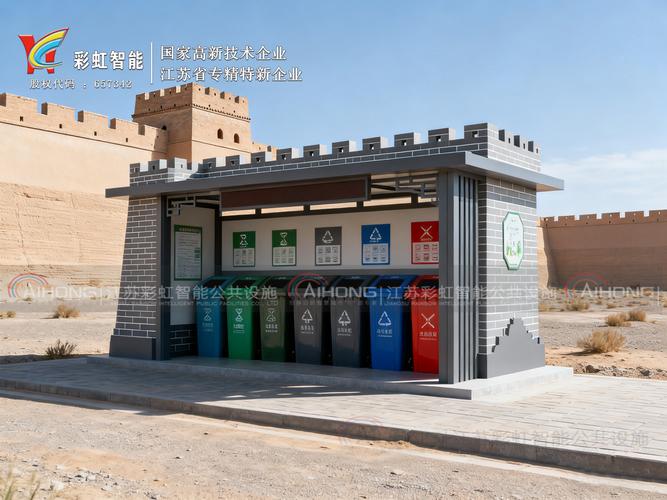

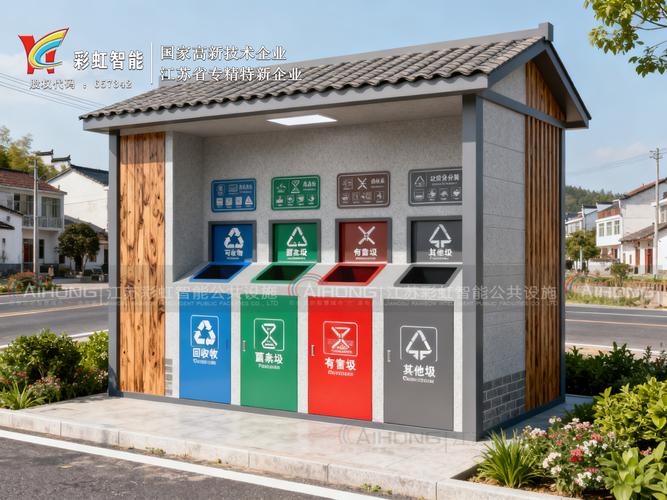
Smart Garbage House
Category:
Environmental Protection/Public sanitation facilities/Classified trash can
Model:
Customization Based on Your Design
Brand:
Boxin
Main material:
High quality galvanized steel/stainless steel
Surface Treatment:
Rust and anti-corrosion process
Applicable Environment:
Outdoor public areas
design life:
10 years
Product Type:
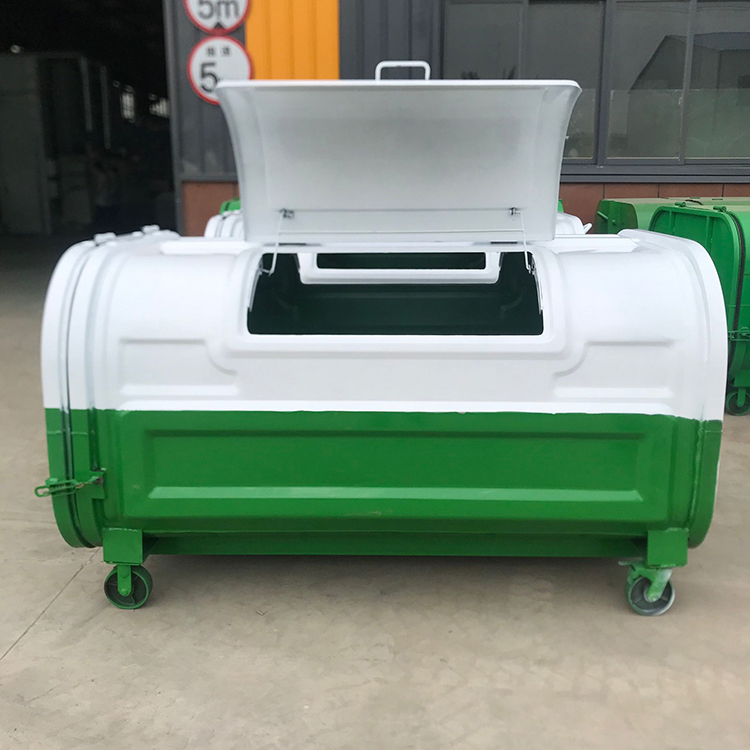
Sorting garbage bins/fruit peels/garbage booth rooms
Features:
Durable and resistant to manufacturing/classified placement
Retail Price
10,000,000.00USD
重量
kg
- Product Description
-
Main material High quality galvanized steel/stainless steel
Surface Treatment Rust and anti-corrosion process
Applicable Environment Outdoor public areas
design life 10 years
Product Type Sorting garbage bins/fruit peels/garbage booth rooms
Features Durable and resistant to manufacturing/classified placement
Description :
The classified garbage bin is the core facility for urban sanitation and public area garbage collection, mainly used to solve the problems of garbage classification, storage, and transportation in outdoor environments. This category covers various forms such as outdoor fruit peels, large garbage kiosks, etc., and is suitable for typical working conditions such as parks, streets, residential areas, schools, and commercial squares. Through reasonable structural design, classified garbage bins can effectively guide citizens to separate and dispose of dry and wet garbage or recyclable materials, improving environmental hygiene levels. Products usually have large storage space and stable structural support, which can meet the frequent usage needs of high traffic areas and are indispensable basic hardware facilities in modern urban fine management.
This type of classified garbage bin is mainly made of high-quality galvanized steel or stainless steel material, which has excellent physical strength and weather resistance. The production process includes strict anti rust and anti-corrosion treatment, such as high-temperature electrostatic spraying or wire drawing polishing, to ensure uniform surface coating, strong adhesion, and effective resistance to rainwater erosion, ultraviolet aging, and acid-base corrosion. According to industry standards, outdoor specialized classified garbage bins can be used for more than 10 years under normal maintenance. Thickened bottom plates and reinforced bars are often equipped in structural design to enhance overall load-bearing capacity and wind stability. Some models comply with the appearance standards of urban environmental sanitation facilities, with bright colors and clear markings for easy identification and maintenance, meeting the acceptance standards of various municipal engineering projects.
In the selection stage, the specifications and materials of the classified garbage bin need to be determined based on the specific application scenario. For commercial centers with high foot traffic, it is recommended to use stainless steel fruit peels with large capacity and multiple compartments, emphasizing aesthetics and ease of cleaning; Old residential areas or alleys can choose economical and durable galvanized steel garbage booths, focusing on capacity and durability. If the environment is humid or close to the seaside, 304 stainless steel material must be prioritized to resist salt spray corrosion. Compared with ordinary plastic trash cans, metal classified trash cans have better fire resistance and stronger resistance to damage, but the initial investment cost is slightly higher. When purchasing, it is necessary to specify the quantity of categories (two categories/four categories) and the form of the dispensing port (foot pedal/hand push/sensor) to ensure compatibility with actual usage habits.
The installation and maintenance of classified garbage bins directly affect their service life. Outdoor fixed garbage booth houses need to be pre embedded with anchor bolts or firmly fixed to hardened ground with expansion screws to prevent them from being blown down by strong winds or moved by humans. In daily maintenance, it is necessary to regularly clean the accumulated garbage in the inner container to avoid corrosive liquids from contacting the bottom of the box for a long time. For surface stains, it is recommended to use neutral cleaning agents for wiping, and it is strictly prohibited to use strong acid and alkali solvents to avoid damaging the anti-corrosion coating. Common faults include rusting hinges, pedal failure, or label detachment. Upon discovery, replacement parts or re labeling should be promptly carried out. Regularly inspect the welds and connections of the box body, and reinforce them immediately if there are signs of cracking to ensure the safe operation of the facilities and extend the overall service cycle.
AfterSalesService :
........Key words:
More Products