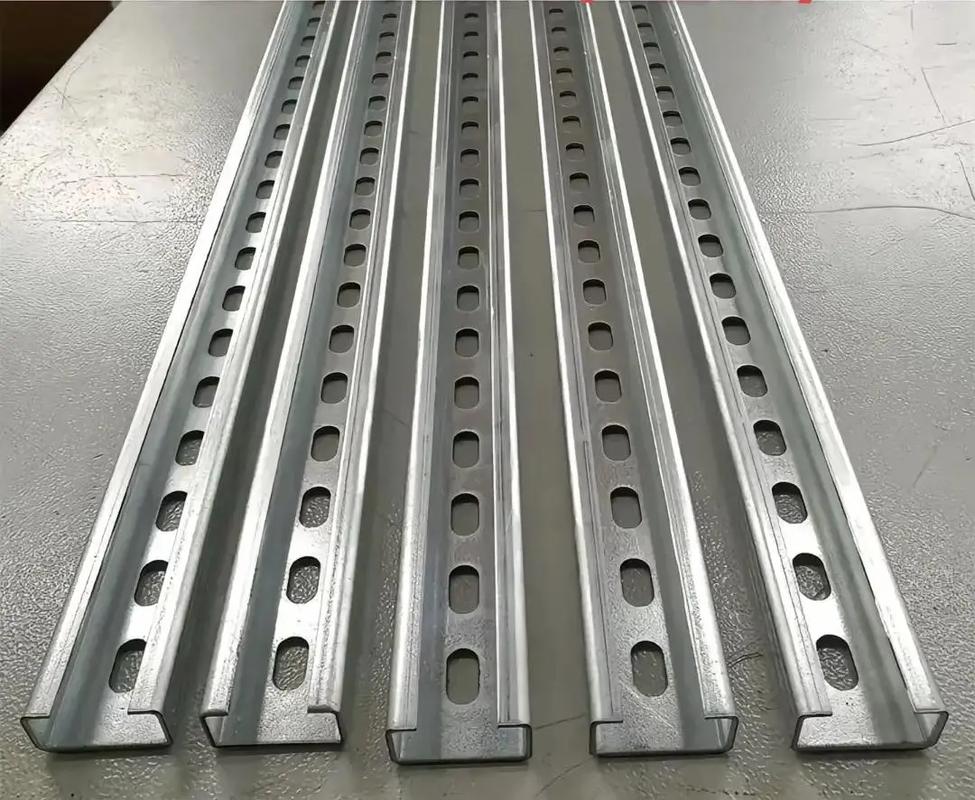

C-shaped steel hot-dip galvanized cold-formed photovoltaic bracket for building purlins with complete specifications and high strength
Category:
metallurgy/Profile/Cold formed steel
Model:
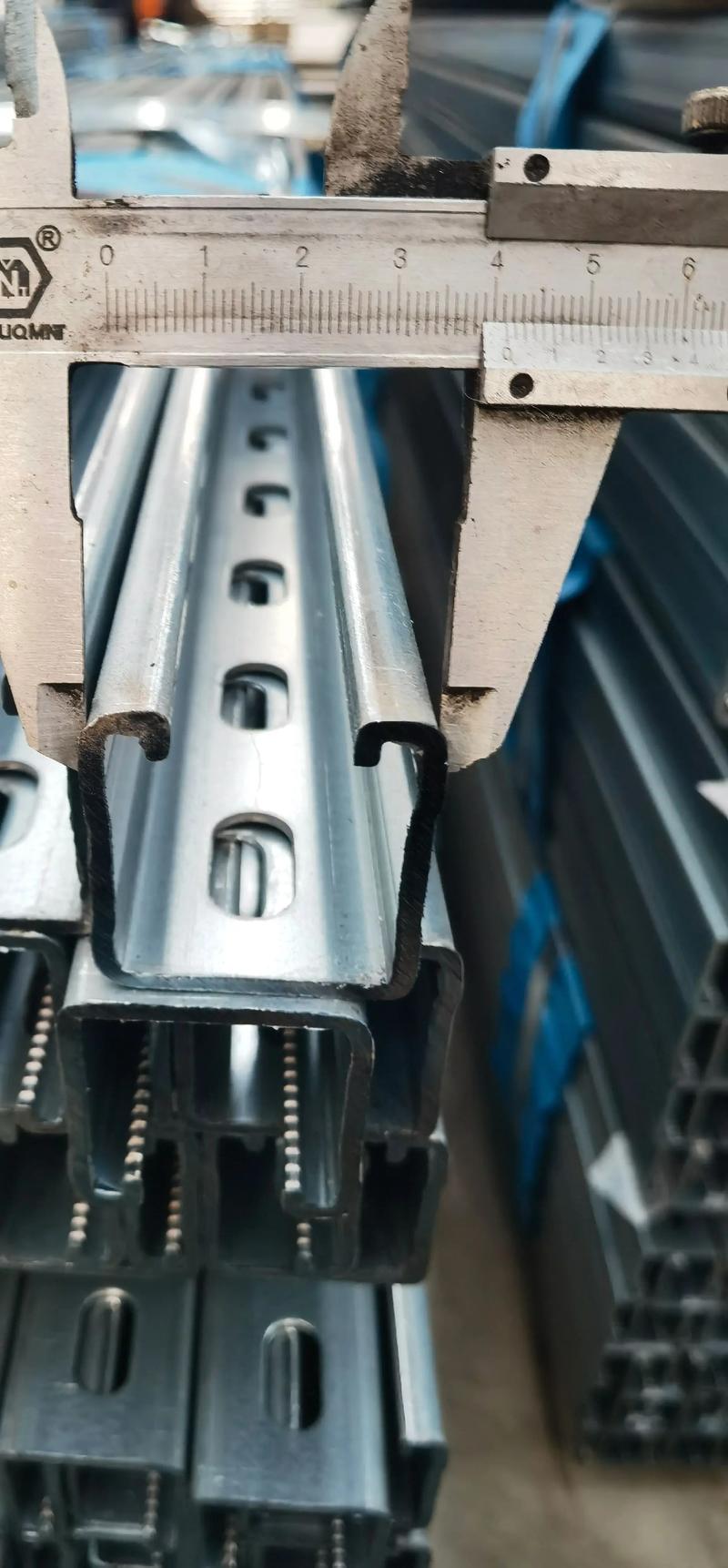
41*41*2.0,
Brand:
Jie Ge
Material:
Q235B/Q345B
Surface Treatment:
Hot dip galvanizing/electroplating
production process:
Cold bending forming
Common wall thickness:
1.5mm-3.0mm
Common height:
80mm-300mm
Execution Standard:
GB/T 6723
Fixed length:
6 meters/customized
Application Fields:
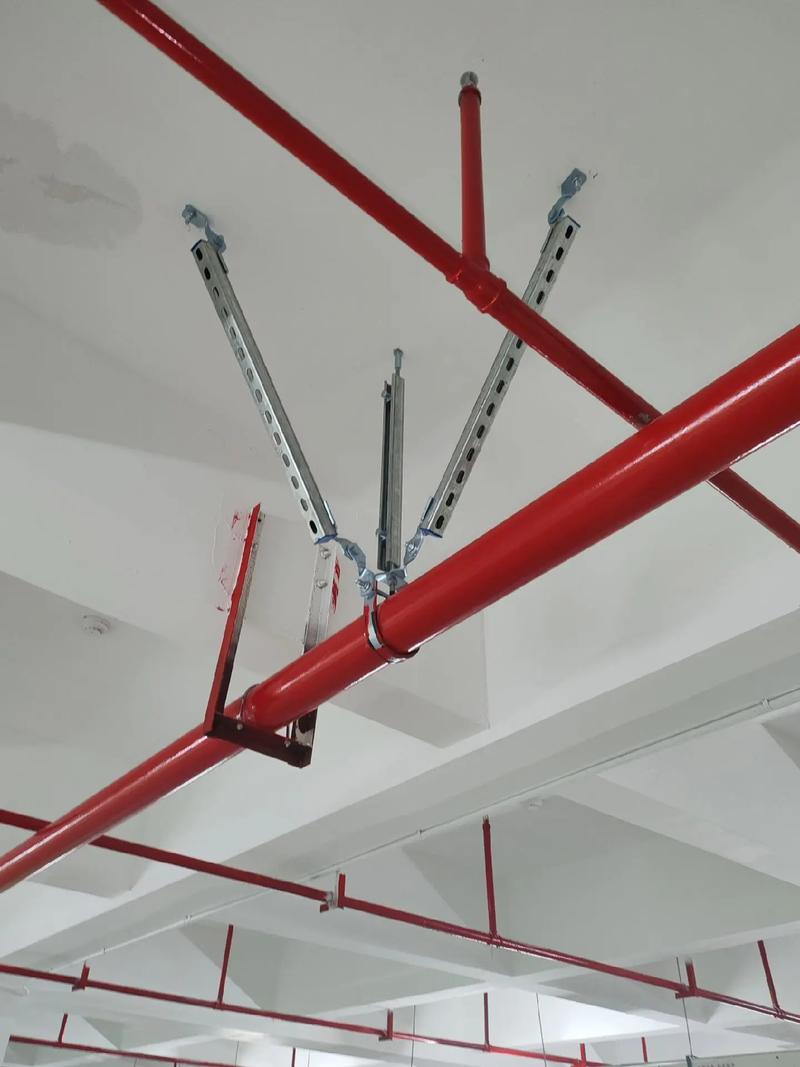
Photovoltaic bracket/building purlin
Retail Price
10,000,000.00USD
重量
kg
- Product Description
-
Material Q235B/Q345B
Surface Treatment Hot dip galvanizing/electroplating
production process Cold bending forming
Common wall thickness 1.5mm-3.0mm
Common height 80mm-300mm
Execution Standard GB/T 6723
Fixed length 6 meters/customized
Application Fields Photovoltaic bracket/building purlin
Description :
C-shaped steel is a type of steel with a cross-section of the letter C formed by cold bending processing, mainly used to solve the problem of lightweight and high-strength support and connection in building structures. It is widely used in photovoltaic support systems, industrial plant purlins, storage rack columns, and various building auxiliary structures. This category usually uses hot-rolled or cold-rolled strip steel as the substrate, and is formed in one go through roll cold bending process. It has the characteristics of large section modulus, good stress performance, and material saving. In practical working conditions, C-shaped steel can effectively withstand vertical loads and partial horizontal thrust, and is suitable for secondary structural support of large-span buildings. It is an indispensable foundation profile in modern steel structure engineering, and its standardized production ensures the efficiency of installation and the stability of the structure.
The specification parameters of C-shaped steel cover multiple dimensions such as height, width, edge size, and wall thickness. The common height range is between 80mm and 300mm, and the wall thickness is usually between 1.5mm and 3.0mm. Q235B or Q345B carbon structural steel is commonly used as the material, and surface treatment methods include black material, galvanizing, hot-dip galvanizing, and spraying anti-corrosion coating. The thickness of the hot-dip galvanizing layer is generally not less than 65 μ m to ensure long-lasting corrosion resistance. The implementation standards follow GB/T 6723 "General Cold Bending Open End Steel" or GB/T 6725 "General Technical Requirements for Cold Bending Steel", and some exported products must comply with ASTM or EN standards. During the production process, it is necessary to strictly control the bending angle and straightness to ensure that the hole accuracy meets the requirements of the drawing. The conventional fixed length is 6 meters or customized cutting according to customer needs. A material list and certificate of conformity must be provided for each batch for acceptance.
When selecting, it is important to consider the load size, span length, and corrosion environment level. For high humidity or coastal areas, hot-dip galvanized C-shaped steel must be selected for rust prevention; Indoor dry environment can be treated with spray paint or black material with on-site anti-corrosion treatment. Compared with Z-shaped steel, C-shaped steel has higher stiffness at the lap joint but cannot completely overlap continuously, making it more suitable for simply supported beam structures; If continuous bridging and strict control of deflection are required, the nesting advantages of Z-shaped steel can be compared and evaluated. In addition, it is important to distinguish between punched C-shaped steel and non punched C-shaped steel. Photovoltaic specific C-shaped steel is usually pre drilled with installation holes to speed up construction progress, while building purlins are mostly designed with no holes throughout. When selecting, the hole spacing and diameter should be confirmed based on specific connectors and construction drawings to avoid secondary processing on site due to mismatched specifications.
The installation of C-shaped steel requires the use of specialized connectors, bolts, and supports. Before installation, the flatness of the components and the integrity of the galvanized layer should be checked. Any deformation or peeling of the coating should be repaired in a timely manner. The typical service life can reach more than 20 years, depending on the quality of the anti-corrosion coating and the severity of the environment. It is recommended to regularly check whether the connection nodes are loose and whether there are rust spots on the surface for daily maintenance. Especially after the rainy season, the corrosion situation of the water accumulation areas should be focused on. Common faults include local buckling caused by overload or cracking caused by installation stress concentration. Once discovered, they should be immediately unloaded and reinforced for replacement. When storing, it should be stacked high and kept ventilated to avoid long-term exposure to rain causing white rust on the surface. During transportation, violent collisions are strictly prohibited to prevent corner deformation from affecting installation accuracy.
AfterSalesService :
Key words: