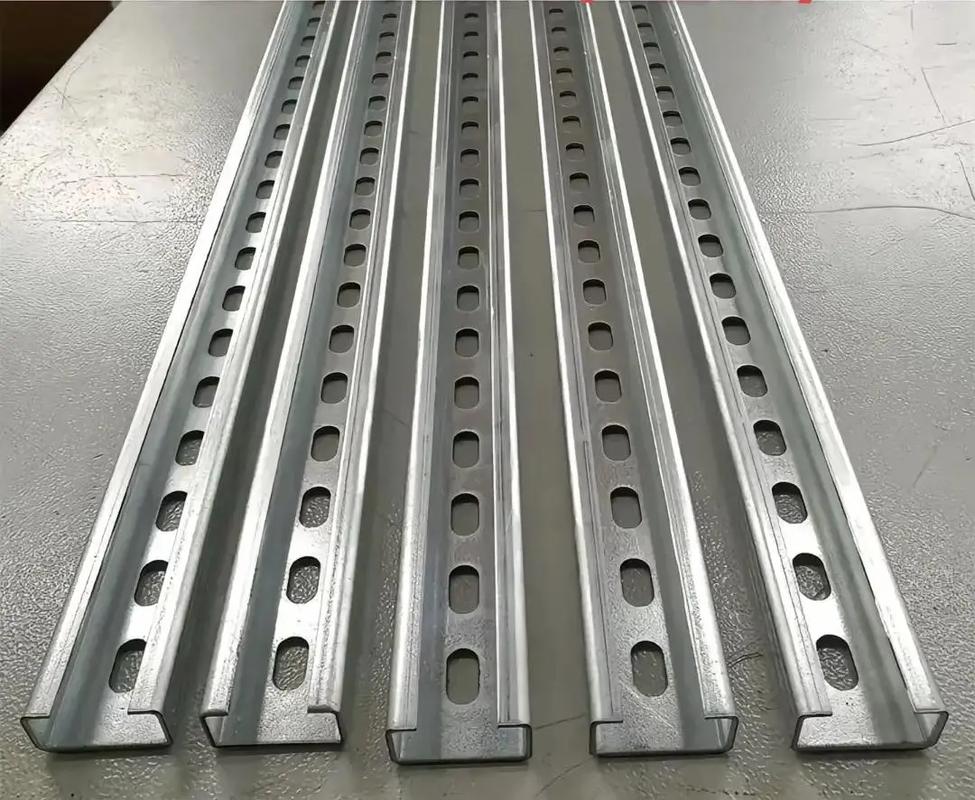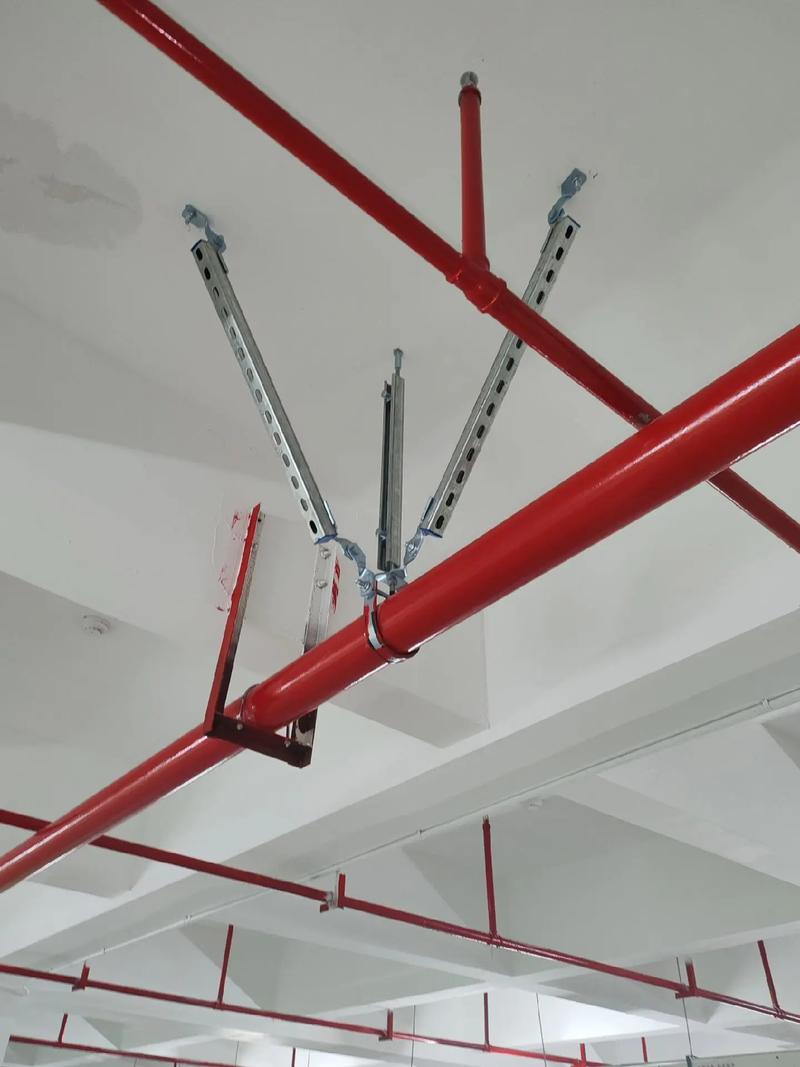

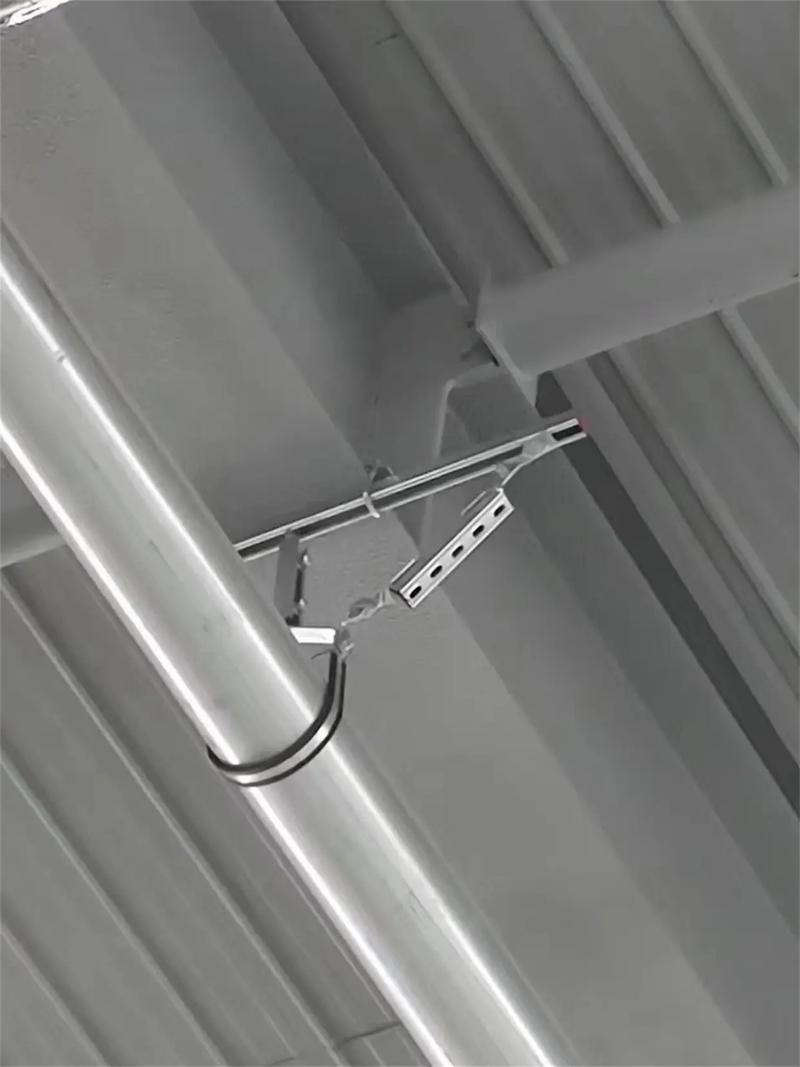
Building electromechanical seismic support bracket C-shaped steel composite pipeline seismic support system
Category:
hardware/Vibration components, shock absorbers/Other vibration and damping components
Model:
DN65
Brand:
Ji Jiegu
Material:
Q235B/Q345B carbon steel
Surface Treatment:
Hot dip galvanized/zinc aluminum magnesium coating
Wall thickness of channel steel:
2.0mm-2.5mm
Execution Standard:
GB 50981-2014
Corrosion resistance:
Salt spray test ≥ 1000h
Applicable Pipe Diameter:
DN65 is greater than or equal to
Seismic intensity:
6-9 degree defense
connection method:
Prefabricated/Weldless
Slant support angle:
45°±15°
Retail Price
10,000,000.00USD
重量
kg
- Product Description
-
Material Q235B/Q345B carbon steel
Surface Treatment Hot dip galvanized/zinc aluminum magnesium coating
Wall thickness of channel steel 2.0mm-2.5mm
Execution Standard GB 50981-2014
Corrosion resistance Salt spray test ≥ 1000h
Applicable Pipe Diameter DN65 is greater than or equal to
Seismic intensity 6-9 degree defense
connection method Prefabricated/Weldless
Slant support angle 45°±15°
Description :
Seismic bracket is a specialized support device used to protect the safe operation of building electromechanical engineering during earthquakes. It mainly solves the problem that traditional gravity supports and hangers cannot resist horizontal seismic forces. Through anchor solids, reinforced suspenders, anti-seismic connecting members, slant support and other components, mechanical and electrical facilities such as pipes, air ducts, bridges and so on are firmly connected to the main body of the building structure. Typical working conditions include seismic reinforcement of high-rise building water supply and drainage systems, fire sprinkler networks, strong and weak electrical cable trays, and ventilation and air conditioning ducts to ensure that pipelines do not fall off or break during earthquakes, maintain smooth life passages, and meet the mandatory seismic fortification requirements of modern buildings.
The seismic support system is usually made of high-quality carbon structural steel Q235B or Q345B, and the surface is treated with hot-dip galvanizing or zinc aluminum magnesium coating for corrosion prevention. The salt spray test time can reach more than 1000 hours, and it is suitable for humid and corrosive environments. The core components include C-shaped channel steel, fully threaded suspension rods, seismic connectors, and limit hinges. All components must comply with GB 50981-2014 "Code for Seismic Design of Building Mechanical and Electrical Engineering" and CJ/T 476-2015 industry standards. The common wall thickness of channel steel is 2.0mm-2.5mm, equipped with rolled edge teeth to enhance friction, and installed without welding with special nuts to ensure that the shear bearing capacity and tensile performance of the node meet the design intensity requirements. A complete mechanical calculation sheet and testing report support are provided.
When selecting, it is necessary to clarify the applicable pipeline type and diameter size. Lateral seismic supports are suitable for single tube lateral support, longitudinal seismic supports are used to limit the longitudinal displacement of the pipeline, and bidirectional seismic supports are used to constrain both directions simultaneously. For scenarios where the width of rectangular ducts is greater than 0.7 meters or the diameter of circular ducts is greater than 0.7 meters, it must be set; Electrical cable trays with a horizontal dimension greater than 0.4 meters need to be configured. It should be noted that seismic supports are different from ordinary load-bearing supports and hangers, and cannot be replaced by each other. End branches in non seismic protection areas or with extremely low gravity loads may not be installed. The specific layout needs to be determined through professional detailed design calculations to avoid overload or support dead corners.
Before installation, it is necessary to check the on-site structure and pipeline coordinates to ensure that the anchor is embedded in the concrete at a depth that meets the standard. It is strictly prohibited to fix it on brick walls or non load bearing structures. During assembly, the notch of the channel steel shall be kept flat, the bolt torque shall reach the specified value, and the angle of the slant support shall be controlled at about 45 degrees with a tolerance of ± 15 degrees. During daily maintenance, it is necessary to regularly check whether the connectors are loose and whether the coating is peeling or corroded, especially after experiencing minor vibrations or building settlement. If any component deformation or weld cracking is found, it should be immediately stopped and replaced by professional personnel to ensure the long-term effectiveness of the seismic integrity of the entire electromechanical system and extend the service life of the facilities.
AfterSalesService :
Key words: