
2,6-dimethylphenol high-purity industrial intermediate used in the synthesis of polyphenylene ether resin, etc
Category:
chemical industry/Phenols/Xylenol
Model:
industrial-grade
Brand:
High purity and high quality
chemical name:
2,6-dimethylphenol
Alias:
2,6-Xylenol
Appearance and characteristics:
White crystalline solid
purity:
≥99.8%
melting point:
48-49℃
boiling point:
197-198℃
solubility:
Slightly soluble in water, easily soluble in organic solvents
Packaging Specifications:
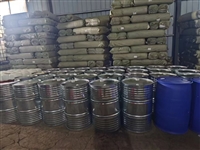
100kg/barrel, 200kg/barrel, whole vehicle
Application Fields:
Polyphenylene ether resin, pharmaceutical pesticide intermediates, etc
Retail Price
10,000,000.00USD
重量
kg
- Product Description
-
chemical name 2,6-dimethylphenol
Alias 2,6-Xylenol
Appearance and characteristics White crystalline solid
purity ≥99.8%
melting point 48-49℃
boiling point 197-198℃
solubility Slightly soluble in water, easily soluble in organic solvents
Packaging Specifications 100kg/barrel, 200kg/barrel, whole vehicle
Application Fields Polyphenylene ether resin, pharmaceutical pesticide intermediates, etc
Description :
2,6-dimethylphenol, also known as 2,6-dicresol, is an important organic chemical intermediate mainly used in the synthesis of high-performance engineering plastics such as polyphenylene oxide (PPO/PPE). This product is a key monomer for preparing modified polyphenylene ether resin through oxidative coupling polymerization reaction, which can effectively improve the thermal stability, electrical insulation and mechanical strength of the material. In the field of pharmaceuticals and pesticides, it can also be used as a raw material for synthesizing certain fungicides and herbicides. Under typical operating conditions, the chemical exists in the form of white or off white crystalline solids and needs to be strictly controlled for storage in a dry and cool environment to prevent oxidation and deterioration, meeting the stringent requirements for raw material purity and stability in fine chemical production.
This product adheres to strict industrial grade quality standards, with conventional purity indicators typically ≥ 99.0% or ≥ 99.5%, depending on downstream application requirements. The physical form is needle shaped or sheet-like crystals, with a melting point range generally between 48 ℃ and 49 ℃, and a boiling point of about 197 ℃ to 198 ℃. Density close to 1.0g/cm ³, slightly soluble in water, easily soluble in organic solvents such as ethanol, ether, and benzene. During the production process, it is necessary to strictly control the impurity content, especially the residual amount of isomers such as 3,6-dimethylphenol, to ensure the efficiency of subsequent polymerization reactions. The packaging usually uses multi-layer kraft paper bags or woven bags lined with plastic bags, with a net weight of 25kg per bag, which complies with the relevant regulations for the transportation and storage of hazardous chemicals, ensuring the safety and integrity of the products in the logistics process.
When selecting, special attention should be paid to purity level and impurity spectrum. For electronic grade or high-end modified plastic applications, it is recommended to choose specifications with a purity of ≥ 99.5% and low chlorine and iron content to avoid affecting the electrical performance or color of the final product. If used for the synthesis of ordinary pesticide intermediates, an industrial grade purity of 99.0% can meet the cost-effectiveness requirements. Attention should be paid to the differences in physical and chemical properties between 2,6-dimethylphenol and its isomer 2,4-dimethylphenol. The former has a higher melting point, better crystallinity, and is more conducive to separation and purification. When purchasing, it should be confirmed whether the supplier provides a detailed gas chromatography (GC) analysis report to verify key impurity indicators, avoid downstream catalyst poisoning or substandard polymerization degree due to raw material fluctuations, and ensure the continuity and stability of the production process.
During use, operators should wear gas masks, chemical safety goggles, and impermeable gloves to avoid inhaling dust or coming into contact with the skin due to its toxicity and irritation. The storage warehouse should be well ventilated, kept away from fire and heat sources, and stored separately from oxidants, acids, and edible chemicals, avoiding mixed storage. When handling, handle with care to prevent material leakage or moisture caused by packaging damage. If a leak occurs, the contaminated area should be isolated and access restricted. It is recommended that emergency personnel wear self-contained positive pressure respirators, protective clothing, and clean shovels to collect in dry, clean, and covered containers, and transfer to a safe place. It is strictly prohibited to directly discharge into the sewer or natural environment to prevent water pollution.
AfterSalesService :
Key words:
More Products