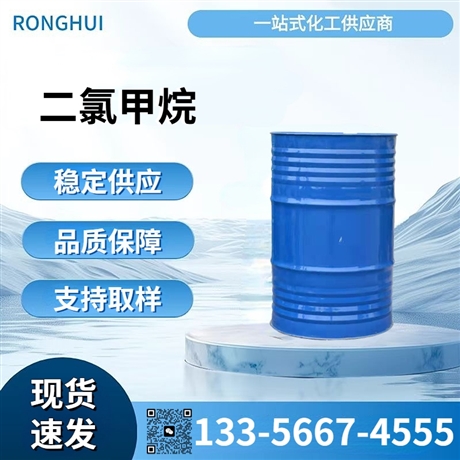

Industrial grade dichloromethane solvent, Jinling Luxi brand high-purity low residue cleaning agent, etc
Category:
chemical industry/Halide derivatives of hydrocarbons/Dichloroethane
Model:
industrial-grade
Brand:
Jinling/Luxi
Appearance:
Colorless Transparent Liquid
purity:
≥99.9%
Moisture:
≤0.01%
acidity:
≤0.0001%
density:
1.325 g/cm³
boiling point:
39.8-40.2℃
Packaging Specifications:
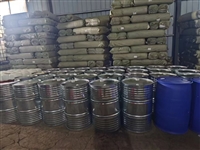
270kg/barrel
CAS number:
75-09-2
Retail Price
10,000,000.00USD
重量
kg
- Product Description
-
Appearance Colorless Transparent Liquid
purity ≥99.9%
Moisture ≤0.01%
acidity ≤0.0001%
density 1.325 g/cm³
boiling point 39.8-40.2℃
Packaging Specifications 270kg/barrel
CAS number 75-09-2
Description :
Dichloromethane is a colorless, transparent, and volatile liquid organic solvent with an ether like odor. It is insoluble in water but can be mixed with most organic solvents such as ethanol and ether. As an important basic chemical raw material, dichloromethane mainly solves the cleaning, extraction, and reaction medium needs in industrial production, and is widely used in typical working conditions such as pharmaceutical intermediate synthesis, pesticide production, polyurethane foaming, and metal surface degreasing. Its boiling point is low, evaporation rate is fast, and it is not flammable. Compared with other chlorinated hydrocarbon solvents, it has good operational safety in specific enclosed or semi enclosed working environments and is an indispensable high-efficiency solvent variety in the field of fine chemicals.
This category of products usually comply with the national standard GB/T 23965-2009 "Dichloromethane for Industrial Use" or higher enterprise standards. Typical technical indicators include: purity (dichloromethane content) ≥ 99.9%, moisture content ≤ 0.01%, acidity (calculated as HCl) ≤ 0.0001%, and chromaticity ≤ 10 Hazen. The density is about 1.325 g/cm ³ (20 ℃), and the boiling range is narrow, usually between 39.8 ℃ and 40.2 ℃. The packaging forms are mostly 270kg galvanized iron drums or ISO ton drums to ensure sealing during transportation and storage, prevent volatilization loss and moisture absorption. The product needs to undergo strict gas chromatography analysis and testing to ensure no high boiling point impurities remain and meet the stringent requirements of downstream high-end formulations for solvent purity.
When selecting, it is necessary to clearly distinguish the application boundary between industrial grade and reagent grade dichloromethane. Industrial grade dichloromethane is suitable for large-scale cleaning, coating dilution, and chemical raw material synthesis, with a relatively high tolerance for trace impurities; However, laboratory analysis or pharmaceutical final crystallization steps require the use of chromatography grade or superior grade reagents. If the working conditions involve high temperatures or extreme sensitivity to moisture, special attention should be paid to the moisture indicators and acidity data provided by the supplier. In addition, it should be noted that dichloromethane has a swelling effect on some rubber and plastics. Materials that are resistant to chloride solvents (such as polytetrafluoroethylene) should be selected for conveying pipelines and seals to avoid leakage risks caused by incompatible materials, which is significantly different from the selection logic of ordinary alcohol or ketone solvents.
During use, dichloromethane should be stored in a well ventilated dedicated warehouse, away from sources of fire and heat. The storage temperature should not exceed 30 ℃, and the container should be kept sealed. Due to the fact that its dichloromethane vapor is heavier than air and can spread to a considerable distance at lower levels, it can ignite when exposed to open flames. Therefore, the work area must be equipped with explosion-proof ventilation systems and detection alarm devices. Daily maintenance requires regular inspection of the sealing of storage tanks and pipeline flange connections, and operators should wear gas masks and chemical safety goggles. Abandoned dichloromethane and pollutants must be recycled or treated harmlessly according to hazardous waste disposal regulations. It is strictly prohibited to discharge them directly into sewers or natural environments to prevent soil and groundwater pollution.
AfterSalesService :
Key words:
More Products