
Industrial grade high-purity intermediate of meta cresol supplied by Guangdong Ronghui Chemical
Category:
chemical industry/Phenols/M-cresol
Model:
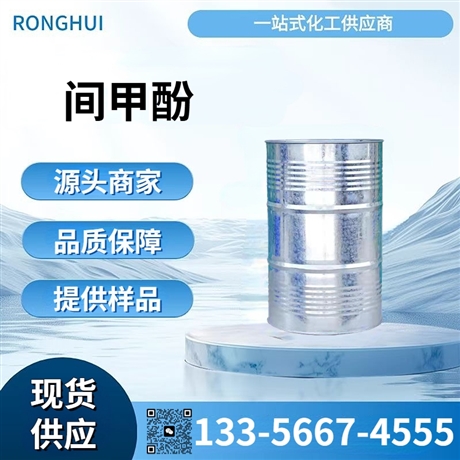
200kg/barrel whole vehicle
Brand:
Integrated Chemical Industry
Chinese Name:
Meta cresol
English name:
m-Cresol
CAS number:
108-39-4
Molecular formula:
C7H8O
Appearance:
Colorless to pale yellow liquid
purity:
≥99.0%
melting point:
10-12℃
boiling point:
202-203℃
density:
1.034 g/cm³
Retail Price
10,000,000.00USD
重量
kg
- Product Description
-
Chinese Name Meta cresol
English name m-Cresol
CAS number 108-39-4
Molecular formula C7H8O
Appearance Colorless to pale yellow liquid
purity ≥99.0%
melting point 10-12℃
boiling point 202-203℃
density 1.034 g/cm³
Description :
Methyl cresol, also known as 3-methylphenol, is an important organic chemical raw material and fine chemical intermediate. It mainly solves the problem of introducing key functional groups in the synthesis of pesticides, pharmaceuticals, and dyes, and is widely used in the production conditions of vitamin E, vanillin, insecticides, and resin modifiers. As a derivative of phenol, meta cresol has unique reactivity and can participate in various chemical reactions such as alkylation and acylation. In industrial applications, meta cresol typically exists in the form of colorless to pale yellow liquid or low melting point crystals, with a unique phenolic odor. Its core value lies in its use as a precursor substance for the synthesis of highly efficient and low toxicity pesticides (such as fenitrothion) and antioxidants, as well as for the manufacture of photographic contrast agents and disinfectants. For procurement personnel, clarifying the purity level and isomer ratio of meta cresol is key to ensuring downstream product yield. The products provided by Guangdong Ronghui Chemical Co., Ltd. are designed to meet the requirements of standardized industrial production.
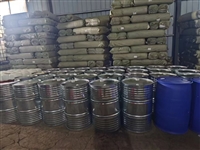
The specifications of meta cresol strictly follow industrial standards, with a typical purity of over 99% and a moisture content controlled below 0.5% to ensure reaction efficiency. Its physical properties include a melting point of about 10-12 ℃, a boiling point of about 2022-203 ℃, and a relative density (20/4 ℃) of about 1.034. During storage and transportation, meta cresol should be kept sealed to avoid contact with strong oxidants and alkaline substances, and to prevent violent reactions or deterioration. In terms of implementing standards, high-quality meta cresol should comply with the provisions of GB/T or relevant industry standards regarding phenolic compounds, and the content of impurities such as o-cresol and p-cresol should be controlled at an extremely low level. Generally, the higher the purity of the monomer isomer, the greater the application value. The packaging forms are mostly 200kg galvanized iron drums or customized ISO ton drums, lined with anti-corrosion coatings to ensure the stability of the product during long-distance transportation. The detection method usually uses gas chromatography (GC) for purity analysis to ensure the consistency of the quality of each batch of meta cresol and meet the strict requirements for raw material stability in fine chemical production.
In the selection stage, the purchaser needs to distinguish the differences between meta cresol and other isomers (ortho cresol, para cresol) based on specific application scenarios. Meta cresol is particularly suitable for synthetic routes that require specific steric hindrance effects, such as in the preparation of certain pesticide intermediates, where meta substituents can provide better biological activity or chemical stability. If used for synthesizing vitamin E, there are extremely high requirements for the purity and heavy metal content of meta cresol, and refined grade products need to be selected; If used for general resin modification or disinfectant production, industrial grade meta cresol can meet the demand and has more cost advantages. Not applicable scenarios include direct application on the consumer end that requires high water solubility or extreme sensitivity to odors, as m-cresol is slightly soluble in water and has a pungent odor. Compared with phenol, meta cresol has better reaction selectivity but relatively higher price; Compared with p-cresol, the two are interchangeable in certain antioxidant applications, but cannot be arbitrarily replaced in pesticide synthesis pathways. When selecting, it is necessary to check the process formula requirements.
Methyl cresol is a toxic and harmful chemical, and safety operating procedures must be strictly followed during installation and use. Operators should wear gas masks, chemical protective goggles, and chemical resistant gloves. The workplace should maintain good ventilation conditions, and the maximum allowable concentration in the air should meet occupational health standards. When storing, it should be placed in a cool, dry, and well ventilated dedicated warehouse, away from fire and heat sources. The storage temperature should not exceed 30 ℃ to prevent polymerization or decomposition caused by high temperatures. It is recommended to regularly check the sealing of packaging containers for daily maintenance to prevent leakage and environmental pollution or personal injury. Common malfunctions include a decrease in purity due to moisture absorption or a darkening of color due to oxidation, in which case re distillation or filtration treatment is required. Abandoned meta cresol and its containers must be disposed of in accordance with hazardous waste management regulations, and direct discharge into sewers or natural water bodies is strictly prohibited. Mastering the correct emergency response measures, such as immediately rinsing with plenty of water after skin contact, is an important step in ensuring production safety.
AfterSalesService :
Key words:
More Products