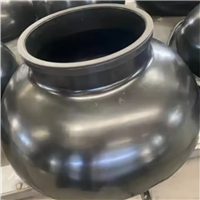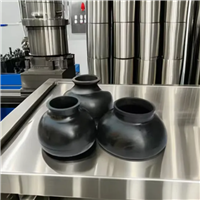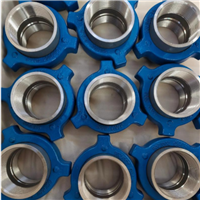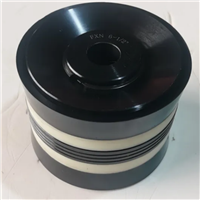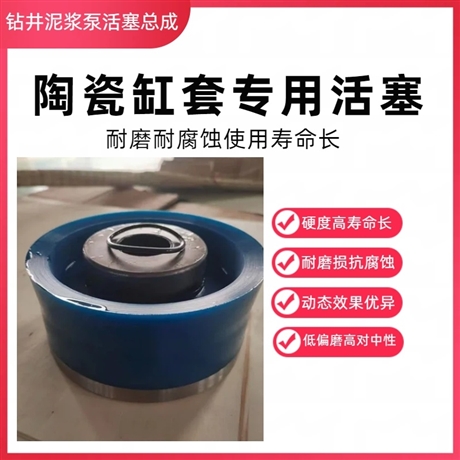

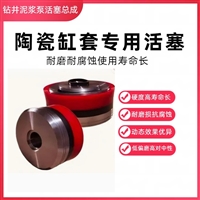
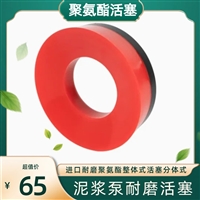
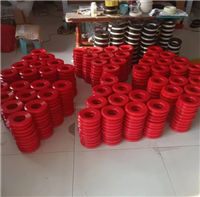
Ceramic cylinder liner piston assembly for oil drilling and production slurry pump, wear-resistant and high-temperature resistant, supports customization with multiple specifications to choose from
Category:
mechanical equipment/Chemical pipelines and accessories/Chemical pipelines and accessories
Model:
∮90
Brand:
Xinghai
Applicable inner diameter:
∮90mm-∮190mm
Cylinder liner material:
Zirconia/Silicon Carbide Ceramics
Material of piston cup:
Nitrile rubber/hydrogenated nitrile/polyurethane
surface finish:
Ra≤0.4μm
Ceramic hardness:
HRA≥85
Execution Standard:
API 7K
Operating temperature:
-20℃-120℃
Maximum work pressure:
35MPa-50MPa
Retail Price
10,000,000.00USD
重量
kg
- Product Description
-
Applicable inner diameter ∮90mm-∮190mm
Cylinder liner material Zirconia/Silicon Carbide Ceramics
Material of piston cup Nitrile rubber/hydrogenated nitrile/polyurethane
surface finish Ra≤0.4μm
Ceramic hardness HRA≥85
Execution Standard API 7K
Operating temperature -20℃-120℃
Maximum work pressure 35MPa-50MPa
Description :
The ceramic cylinder liner piston assembly is the core vulnerable component combination of the hydraulic end of the oil drilling rig mud pump, mainly solving the problem of short service life of metal components under high pressure and high wear conditions. This component significantly reduces the friction coefficient and extends the overhaul cycle of the pumping system through the high hardness characteristics of ceramic materials. Typical working conditions include deep well drilling, shale gas extraction, and high-pressure grouting operations. Suitable for various types of three cylinder single acting or five cylinder double acting mud pumps, it can adapt to harsh mud environments containing solid particles such as sand and rock debris, ensuring continuous and stable transportation of drilling fluid and reducing unplanned downtime.
The core specifications of the ceramic cylinder liner piston assembly cover the range of inner diameter from Φ 90mm to Φ 180mm, meeting the requirements of mainstream drilling rig pump types. The inner wall of the cylinder liner is lined with special ceramic materials such as zirconia or silicon carbide, with a surface smoothness of Ra ≤ 0.4 μ m and a Mohs hardness of ≥ 9, possessing excellent abrasion resistance. The piston head is usually composed of a high-quality alloy steel substrate coated with high-performance rubber cups, and the rubber material is mostly nitrile or hydrogenated nitrile, with a wide range of oil and temperature resistance. The design and testing are carried out in accordance with the API 7K specification, and each product undergoes strict hydrostatic testing and dimensional tolerance testing before leaving the factory to ensure accurate fit clearance, prevent high-pressure leakage, and ensure stable pump efficiency of over 95%.
When selecting, it is necessary to focus on checking the model, cylinder head structure, and original accessory dimensions of the mud pump. The specifications of 90 to 125mm are commonly used for medium and small displacement high-pressure conditions, while 130 to 180mm are suitable for high displacement medium and low-pressure drilling scenarios. If the original machine uses a metal cylinder liner, when replacing it with a ceramic cylinder liner piston assembly, it is necessary to confirm whether the piston rod connection thread and clamp form match. For drilling fluid environments with extremely high sand content or strong corrosiveness, it is recommended to prioritize the use of thick walled ceramic cylinder liners. Compared with conventional cast iron cylinder liners, ceramic cylinder liners are lighter in weight but more brittle. It is strictly prohibited to strike them during installation, and special tools need to be used to press them in to avoid cracking caused by stress concentration and affecting the sealing effect.
Before installing the ceramic cylinder liner piston assembly, the pump head chamber must be thoroughly cleaned to remove old sealant residue and rust impurities. Apply an appropriate amount of lubricating grease to the O-ring and the outer wall of the cylinder liner, and use hydraulic fixtures or specialized pressure plates to evenly press and install them, ensuring that the end face is flat and snug. In daily maintenance, it is necessary to regularly check whether the flushing cooling water system is unobstructed to prevent local overheating caused by mud and sand accumulation. Monitor the fluctuation of pump pressure. If abnormal pressure drop or increased leakage is found, the wear condition of the piston cup and whether there are cracks on the inner wall of the cylinder liner should be checked in a timely manner. During pump shutdown, it is recommended to drain the accumulated fluid to prevent rubber aging and deformation caused by winter freezing or long-term standing, and to extend the overall service life of the components.
AfterSalesService :
Key words:
More Products