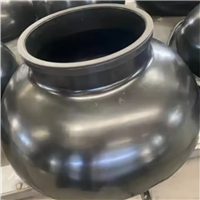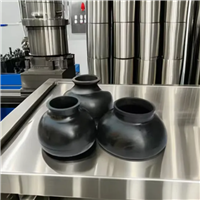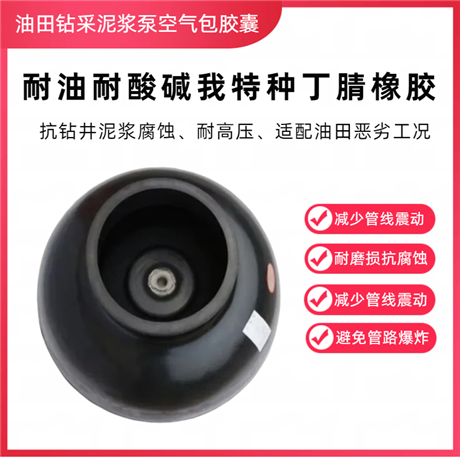

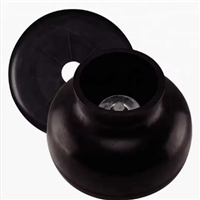
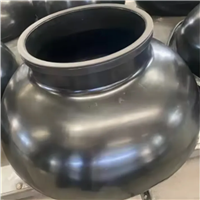
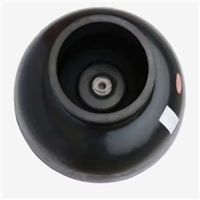
Oil resistant nitrile rubber pulse damper, skin bag, high-pressure corrosion-resistant diaphragm accessories
Category:
mechanical equipment/Chemical pipelines and accessories/Chemical pipelines and accessories
Model:
F1300
Brand:
Xinghai
Material:
Nitrile rubber (NBR)
Characteristics:
Oil resistant, wear-resistant, and corrosion-resistant
Applicable Medium:
Mineral oil, hydraulic oil, non-polar solvents
Operating temperature:
-30℃ ~ +100℃
hardness:
Shore A 60-70 degrees
Product Type:
Pulse damper accessories
connection method:
Threaded interface/flange interface (depending on the model)
Application Fields:
Petroleum equipment, chemical pump system
Retail Price
10,000,000.00USD
重量
kg
- Product Description
-
Material Nitrile rubber (NBR)
Characteristics Oil resistant, wear-resistant, and corrosion-resistant
Applicable Medium Mineral oil, hydraulic oil, non-polar solvents
Operating temperature -30℃ ~ +100℃
hardness Shore A 60-70 degrees
Product Type Pulse damper accessories
connection method Threaded interface/flange interface (depending on the model)
Application Fields Petroleum equipment, chemical pump system
Description :
The oil resistant nitrile rubber pulse damper skin is a key vulnerable component used in fluid transportation systems to eliminate pressure pulsation, mainly solving the problems of uneven flow and pipeline vibration caused by the reciprocating motion of the plunger or diaphragm during pumping. This component is usually installed inside the pulse damper as a gas-liquid isolation medium, absorbing peak pressure and supplementing low valley pressure through its own elastic deformation, thereby protecting downstream instruments, valves, and pipeline systems from fatigue damage. Typical working conditions include oil extraction, chemical dosing, and high-pressure cleaning, which require stable fluids.
The main body of the pulse damper skin is made of high-quality nitrile rubber (NBR) material, which has excellent resistance to mineral oil, fatty hydrocarbons, and hydraulic oil, while maintaining good wear resistance and tear strength. The common implementation standards refer to HG/T related rubber product specifications, and the working temperature range is usually between -30 ℃ and+100 ℃, depending on the hardness of the rubber formula (generally Shore A 60-70 degrees). The manufacturing process often adopts compression vulcanization molding to ensure uniform wall thickness, no bubbles or impurities, high dimensional accuracy of the interface, and good sealing fit with mainstream brands of pulse dampers to prevent gas leakage or liquid infiltration into the gas chamber.
When selecting the pulse damper skin bag, it is important to confirm the brand and model of the original equipment, the external dimensions of the skin bag (such as length, outer diameter, interface thread specifications), and the working pressure rating. Nitrile rubber is suitable for most petroleum based hydraulic oils and non-polar solvents, but it is not suitable if the medium contains strong oxidizing acids, ketones, esters, or aromatic hydrocarbons. In this case, it should be considered to replace with fluororubber (FKM) or ethylene propylene diene monomer (EPDM) material. In addition, it is necessary to distinguish whether the skin bag is used for the suction end or the discharge end, and whether it has a bottom support plate or a top fixing nut to avoid installation failure or early damage due to structural differences.
Before installing the oil resistant nitrile rubber pulse damper skin, it is necessary to check whether the inner wall of the damper housing is smooth and free of burrs to prevent scratching the rubber surface. It is recommended to regularly inspect the condition of the skin bag. If there is an increase in system pressure fluctuations, unstable flow meter readings, or liquid spraying from the damper exhaust port, it usually means that the skin bag has ruptured or aged and lost its elasticity, and needs to be replaced in a timely manner. During daily maintenance, it is important to avoid prolonged exposure of the skin bag to overpressure or extreme low temperatures. When shutting down and emptying, pay attention to releasing the pressure in the air chamber to extend the service life of rubber components and ensure the smooth operation of the fluid system.
AfterSalesService :
Key words:
More Products