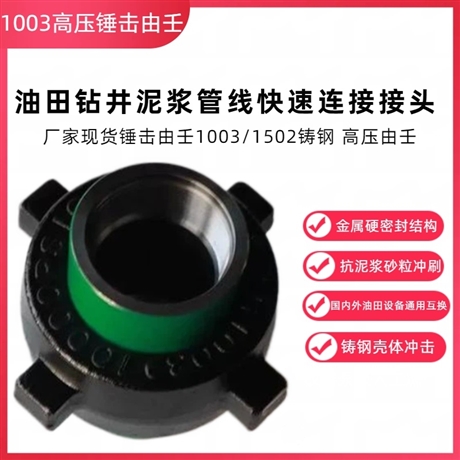

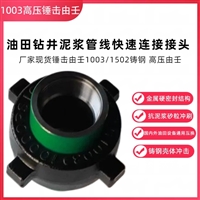
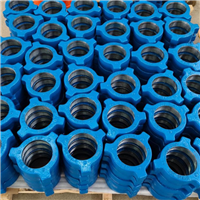
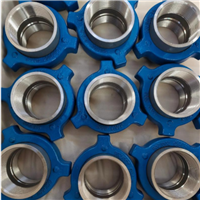
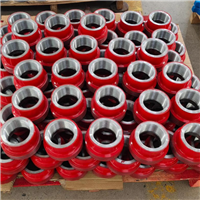
1003 Type 4-inch High Pressure Oilfield Union Cast Steel Welded Mud Pipeline Joint
Category:
hardware/Pneumatic tools/Pneumatic hammer
Model:
1003 type
Brand:
Hengshui Xinghai
Product Type:
Hammer strike by Ren
Model:
1003 type
Nominal Diameter:
4 inches (DN100)
Main material:
cast steel
connection method:
welded type
Application Fields:
Oilfield drilling, mud pipeline
work pressure:
High pressure (typical value 105MPa/15000psi)
sealing form:
Metal to metal or rubber sealing
Surface Treatment:
Rust proof paint/galvanizing
Execution Standard:
API Spec 6A/SY/T 5127
Retail Price
10,000,000.00USD
重量
kg
- Product Description
-
Product Type Hammer strike by Ren
Model 1003 type
Nominal Diameter 4 inches (DN100)
Main material cast steel
connection method welded type
Application Fields Oilfield drilling, mud pipeline
work pressure High pressure (typical value 105MPa/15000psi)
sealing form Metal to metal or rubber sealing
Surface Treatment Rust proof paint/galvanizing
Execution Standard API Spec 6A/SY/T 5127
Description :
The 1003 type hammering union is an industrial pipe fitting designed specifically for high-pressure fluid connections, mainly used to solve the problems of quick disassembly and sealing in drilling mud pipelines, fracturing manifolds, and other working conditions. This category achieves high-strength connection through hammer locking mechanism, which can withstand high pulse pressure and vibration impact during drilling operations. As a typical oilfield specific accessory, the 1003 type hammer joint is widely used in oil drilling, shale gas extraction, and high-pressure cleaning equipment to ensure the stability and safety of pipeline systems under harsh working conditions. It is a key connecting component in drilling mud transportation systems.
The 1003 type hammer joint is made of high-quality cast steel material, which has extremely high mechanical strength and impact resistance. The product specification is 4 inches (DN100), which complies with API Spec 6A or relevant petroleum industry standards. The working pressure can usually reach 15000psi (about 105MPa) or even higher, depending on the wall thickness and heat treatment process. The two ends of the joint adopt a welded structure, which facilitates direct connection and welding with the steel pipe, reducing leakage points. The surface has been treated with rust prevention or painted for protection, making it suitable for damp and muddy outdoor environments. Each 1003 type hammer joint undergoes strict non-destructive testing and hydrostatic testing before leaving the factory to ensure that the cast steel body is free of sand holes and cracks, and that the thread and sealing surface accuracy meet tolerance requirements, ensuring the reliability of high-pressure sealing.
When selecting the 1003 type hammer joint, it is necessary to clarify the working pressure level and medium type. This product is suitable for non corrosive or weakly corrosive high-pressure fluids such as mud, water, and oil, and is not suitable for strong acid, strong alkali, or high-temperature steam environments. Compared with flange connections, the 1003 type hammer joint has the advantages of fast disassembly and assembly speed, small space occupation, and good vibration resistance, making it particularly suitable for drilling sites that require frequent disassembly and movement. When making a purchase, it is necessary to verify whether the 4-inch diameter matches the pipeline and confirm whether the grade of the cast steel material (such as ZG270-500, etc.) meets the project specifications. If the working conditions involve extremely high frequency vibrations, it is recommended to use anti loosening nuts or union covers with safety holes to prevent accidental loosening and ensure the safety of the 1003 hammer striking union during long-term operation.
When installing the 1003 type hammer joint, it should be ensured that the welding end groove is flat, and the welding process should comply with the welding specifications for oil and gas pipelines to avoid high pressure leakage caused by virtual welding. In daily maintenance, it is necessary to regularly check the wear of the union cover, sealing ring, and hammer block. If the sealing ring is aging or there is obvious collision or deformation on the metal surface, it should be replaced in a timely manner. When working in cold regions, pay attention to preventing the freezing of the medium from causing volume expansion and damage to the cast steel body. Common faults include sealing surface leakage and hammer block fracture, often caused by overpressure or foreign object clamping. Proper lubrication of threads and moving parts can extend the service life of the 1003 hammer joint, maintain its good operating feel and sealing performance, and reduce the risk of unplanned downtime during drilling operations.
AfterSalesService :
Key words:
More Products