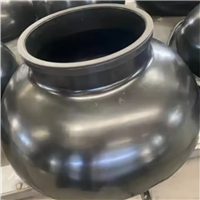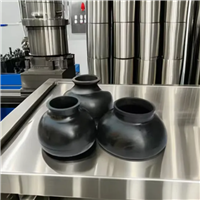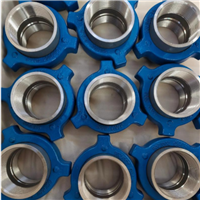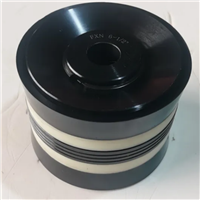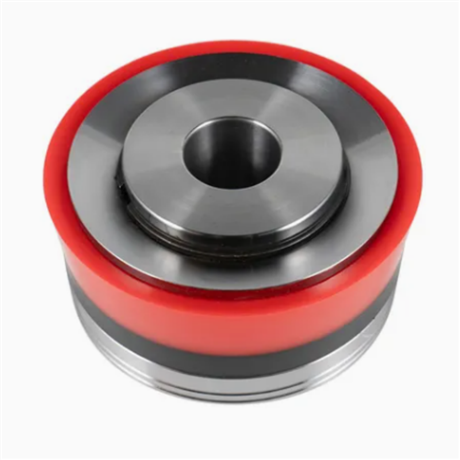

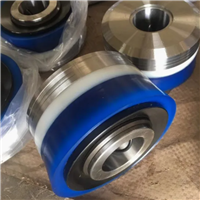
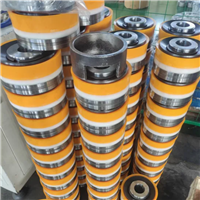
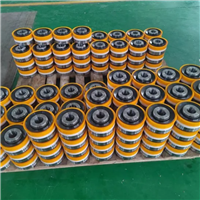
Core vulnerable sealing components of high wear-resistant polyurethane piston assembly for oil drilling three cylinder mud pump
Category:
mechanical equipment/Chemical pipelines and accessories/Chemical pipelines and accessories
Model:
F500 F800
Brand:
Hengshui Xinghai
Material:
Highly wear-resistant polyurethane
Applicable Devices:
Three cylinder mud pump
Product Type:
Core vulnerable seals
Hardness range:
Shore A 90-95 degrees
Operating temperature:
-40℃~80℃
Pressure Rating:
≤50MPa
Execution Standard:
API 7K
packaging unit:
sleeve
Retail Price
10,000,000.00USD
重量
kg
- Product Description
-
Material Highly wear-resistant polyurethane
Applicable Devices Three cylinder mud pump
Product Type Core vulnerable seals
Hardness range Shore A 90-95 degrees
Operating temperature -40℃~80℃
Pressure Rating ≤50MPa
Execution Standard API 7K
packaging unit sleeve
Description :
The piston assembly is the core vulnerable sealing component for the conversion between the power end and the hydraulic end of the oil drilling three cylinder mud pump, mainly solving the problems of fluid sealing and energy transfer in high-pressure reciprocating motion. This component is subjected to dual tests of high-frequency impact, high-pressure pulsation, and abrasive media during the operation of the mud pump, which directly determines the volumetric efficiency and operational stability of the pump. Typical working conditions include deep well drilling, shale gas extraction, and continuous operations under harsh geological conditions. The piston assembly is required to have extremely high compressive strength and rebound performance to ensure good sealing effect even under long-term high load operation, preventing pressure loss and equipment corrosion caused by mud leakage.
The main body of the piston assembly is made of high wear-resistant polyurethane material, combined with precision machined metal frame support, and complies with relevant standards in the petroleum industry such as API 7K. Polyurethane material has excellent oil resistance, hydrolysis resistance, and tear resistance. The hardness range is usually controlled between Shore A 90-95 degrees to balance wear resistance and flexibility. The surface treatment process has been specially optimized to reduce the friction coefficient and minimize heat accumulation between the cylinder liner and the surface. In terms of structural design, attention is paid to the precise control of lip sealing geometry to ensure zero or slight leakage within the rated working pressure range, while also having good anti extrusion ability to adapt to the wear environment caused by solid particles in the mud.
When selecting, it is necessary to focus on matching the model, cylinder liner diameter, and working pressure rating of the mud pump. There are differences in piston size and installation method among different brands of pump models, and the drawing parameters need to be strictly checked. Suitable for various media such as water-based mud, oil-based mud, and polymer drilling fluid, but careful evaluation or selection of special material alternatives is required in working conditions containing highly corrosive chemicals or extreme high temperatures (exceeding the polyurethane tolerance limit). Compared with ordinary rubber pistons, polyurethane piston assemblies have significantly improved wear resistance, but attention should be paid to avoiding dry friction starting. It is recommended to perform sufficient lubrication and pre flushing before formal drilling to extend service life and reduce failure rates.
Before installing the piston assembly, it is necessary to thoroughly clean the inner wall of the cylinder liner and the surface of the piston rod, check for scratches or rust, and apply special lubricating grease to reduce initial friction resistance. Regular monitoring of pump pressure fluctuations and discharge flow should be carried out during daily maintenance. If the pressure drops too quickly or the amount of mud leakage increases, the wear of the piston should be checked and replaced in a timely manner. Common faults include lip flipping, skeleton deformation, or material peeling, often caused by improper installation, poor alignment, or large foreign particles in the mud. It is recommended to establish a regular inspection system, record the cumulative flushing times and operating time, and develop a preventive replacement plan based on the actual degree of wear and tear to avoid unplanned downtime affecting drilling progress.
AfterSalesService :
Key words:
More Products