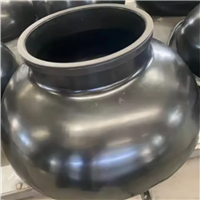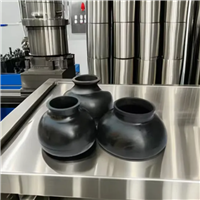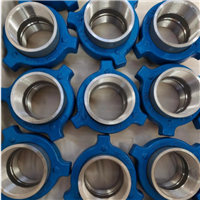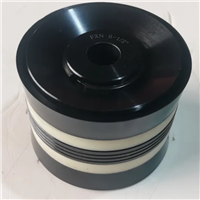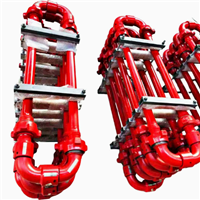
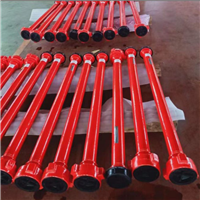
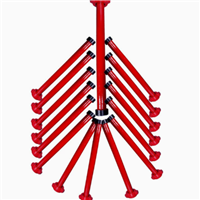
High pressure union pipe fittings for oil field well repair and fracturing, including straight pipes, hard pipelines, and petroleum manifolds
Category:
mechanical equipment/Chemical pipelines and accessories/Chemical pipelines and accessories
Model:
4-inch drilling high-pressure pipeline
Brand:
Hengshui Xinghai
work pressure:
35MPa-140MPa
connection method:
Connected by Ren
Material:
Alloy steel/carbon steel
Applicable working conditions:
Well repair/fracturing/cementing
Surface Treatment:
Spray painting/anti-corrosion treatment
Execution Standard:
API Spec 6A
Product Type:
Straight/hard pipeline
Application Fields:
Oil pipeline system
Retail Price
10,000,000.00USD
重量
kg
- Product Description
-
work pressure 35MPa-140MPa
connection method Connected by Ren
Material Alloy steel/carbon steel
Applicable working conditions Well repair/fracturing/cementing
Surface Treatment Spray painting/anti-corrosion treatment
Execution Standard API Spec 6A
Product Type Straight/hard pipeline
Application Fields Oil pipeline system
Description :
High pressure hard pipelines are key connecting components used in petroleum drilling and production operations to transport high-pressure fluid media, mainly solving the high-pressure transmission needs of mud, cement slurry, and high-pressure water under conditions such as well repair and fracturing. This type of product is usually an important component of the oil pipeline system, which can be quickly disassembled and sealed through a union connection. It is suitable for scenarios such as ground high-pressure pipelines, risers, and water hoses, ensuring the safety and stability of fluid transmission in extreme pressure and vibration environments. It is an indispensable basic pipe fitting for oilfield operations. This type of high-pressure straight pipe is usually made of high-quality alloy steel or high-strength carbon steel, which is forged, heat-treated, and precision machined to have extremely high compressive strength and impact resistance. The execution standards mostly refer to API Spec 6A or relevant industry specifications, and common working pressure levels include series such as 35MPa, 70MPa, 105MPa, and even 140MPa. The two ends of the pipe body are processed with standard union joint structures, which are used in conjunction with specialized seals to ensure sealing reliability under high-frequency vibration and pressure fluctuations. The surface is usually treated with anti-corrosion or painted to adapt to harsh outdoor working environments. Each high-pressure hard pipeline must undergo strict hydrostatic testing and non-destructive testing before leaving the factory. When selecting, the specifications and dimensions of high-pressure hard pipelines should be determined based on the actual pressure level, medium type, and flow requirements of the operation. The high-pressure manifold system is suitable for equipment such as workover rigs, fracturing trucks, and cementing trucks, and is particularly suitable for work scenarios that require frequent disassembly and movement. Compared with ordinary flange connections, the installation of high-pressure hard pipelines connected by union is faster and has relatively lower requirements for neutrality, but attention should be paid to the wear of union joints. Not suitable for long-term fixed pipeline systems with low pressure, high flow rate, or extremely high static requirements for sealing. When selecting, the safety factors of working pressure and burst pressure should be clearly distinguished to ensure compliance with on-site safety regulations. When installing high-pressure hard pipelines, it should be ensured that the union joint is clean and undamaged, the sealing ring is intact and installed in the correct position, and the fastening nuts should be tightened diagonally and evenly according to the specified torque to avoid leakage caused by unbalanced load. In daily use, the pipe body should be regularly inspected for corrosion, cracks, or deformation, with a focus on checking the sealing condition and thread wear at the union joint. The typical usage cycle depends on the frequency of operation and the corrosiveness of the medium. It is recommended to conduct a visual inspection and pressure test after each operation. Common faults include joint leaks, pipe punctures, etc. If any abnormalities are found, the machine should be stopped immediately for replacement. It is strictly prohibited to operate with problems to ensure the safety of personnel and equipment on the oilfield site.
AfterSalesService :
Key words:
More Products