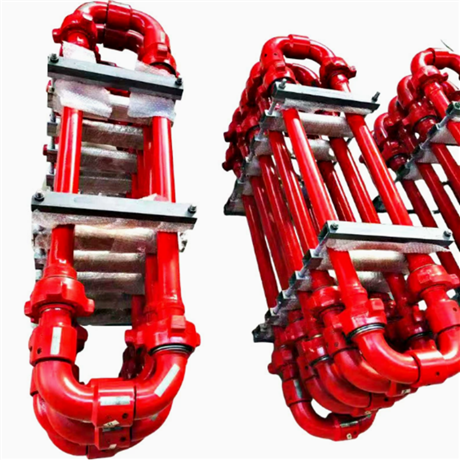

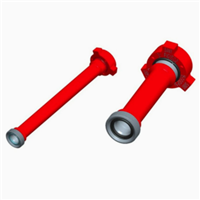
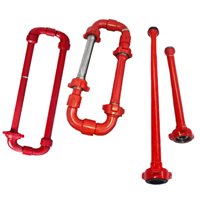
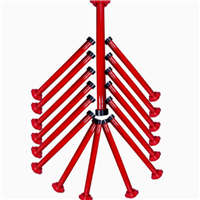
High pressure hard pipeline for oilfield cementing, 1-4 inches, with multiple specifications to choose from
Category:
mechanical equipment/Chemical pipelines and accessories/Chemical pipelines and accessories
Model:
1 inch/2 inch/3 inch/4 inch
Brand:
Xinghai
Nominal Diameter:
1 inch/2 inch/3 inch/4 inch
work pressure:
70MPa-140MPa
Material:
35CrMo/42CrMo alloy steel
connection method:
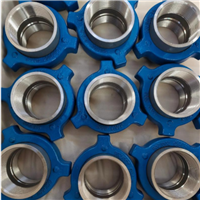
Union connection/flange connection
Execution Standard:
API Spec 6A/16C
Surface Treatment:
Sandblasting/anti-corrosion coating
Applicable Medium:
Cement slurry/drilling fluid/clean water
Detection method:
Hydrostatic testing/non-destructive testing
Retail Price
10,000,000.00USD
重量
kg
- Product Description
-
Nominal Diameter 1 inch/2 inch/3 inch/4 inch
work pressure 70MPa-140MPa
Material 35CrMo/42CrMo alloy steel
connection method Union connection/flange connection
Execution Standard API Spec 6A/16C
Surface Treatment Sandblasting/anti-corrosion coating
Applicable Medium Cement slurry/drilling fluid/clean water
Detection method Hydrostatic testing/non-destructive testing
Description :
High pressure hard pipelines are key pressure conveying components in petroleum drilling and cementing operations, mainly used to connect mud pumps, cementing trucks, and wellhead equipment, solving the problem of high pressure and large displacement fluid transmission. This category is designed for harsh working conditions and can withstand the extremely high instantaneous pressure and pulse impact generated during the cementing process, ensuring the safe and efficient injection of media such as cement slurry and drilling fluid into the wellbore. Typical working conditions include cementing operations in deep and ultra deep wells, as well as high-pressure pressure testing operations. It is suitable for petroleum engineering sites that have strict requirements for pipeline strength, sealing, and fatigue resistance, and is the infrastructure to ensure operational safety and efficiency. This series of high-pressure hard pipelines is usually made of high-quality alloy structural steel, which is formed through integral forging or seamless pipe processing technology, and has extremely high mechanical strength and toughness. Common implementation standards include API Spec 6A, API Spec 16C, or SY/T series petroleum industry standards to ensure the reliability of products under different pressure levels. Both ends of the pipe body are often connected by union or flange, combined with high-precision sealing surface processing, to achieve quick disassembly and zero leakage sealing. The surface is usually treated with sandblasting rust removal and anti-corrosion coating, and some high demand scenarios may undergo phosphating or galvanizing treatment to enhance corrosion resistance. Each pipeline must undergo strict hydrostatic testing and non-destructive testing before leaving the factory to ensure that there are no cracks or sand holes, meeting the stringent requirements for equipment intrinsic safety on the oilfield site. When selecting, the specific specifications should be determined based on the rated working pressure, displacement requirements, and well depth conditions of the cementing pump. 1-inch to 2-inch pipelines are commonly used for small displacement high-pressure testing or auxiliary pipeline connections, while 3-inch to 4-inch pipelines are widely used for large displacement transportation in main cementing operations. Attention should be paid to distinguishing between "high-pressure hard pipelines" and "low-pressure flexible hoses" or "ordinary fluid pipelines". The former is a rigid metal structure that cannot be bent and is suitable for high-pressure transmission of fixed or semi fixed lines; The latter is mostly a rubber composite structure, suitable for scenarios that require frequent movement or bending. If there is a highly corrosive medium (such as acidic cement slurry) in the working conditions, special material requirements should be specified, and corrosion-resistant alloys or models with inner lining anti-corrosion treatment should be selected to avoid safety accidents caused by pipeline wall thickness reduction due to corrosion.
When installing high-pressure hard pipelines, it is necessary to ensure that the connection parts are clean and free of foreign objects. The union joints must be tightened to the specified torque using a special wrench. It is strictly prohibited to forcefully strike or use non-standard tools to avoid damaging the sealing surface. During use, the outer wall of the pipe should be regularly inspected for mechanical damage, deformation, or corrosion spots, especially in the transition area between the weld and the joint. It is recommended to establish a pipeline usage record, recording the cumulative usage time, peak pressure, and test results. For pipelines with severe wear, wall thickness below the minimum allowable value, or micro cracks, they should be immediately scrapped and replaced. Daily maintenance includes rinsing the residual cement slurry inside with clean water after use to prevent solidification and blockage, and applying anti rust oil to store in a dry and ventilated place to extend the service life of high-pressure hard pipelines and maintain their stable performance.
AfterSalesService :
Key words:
More Products