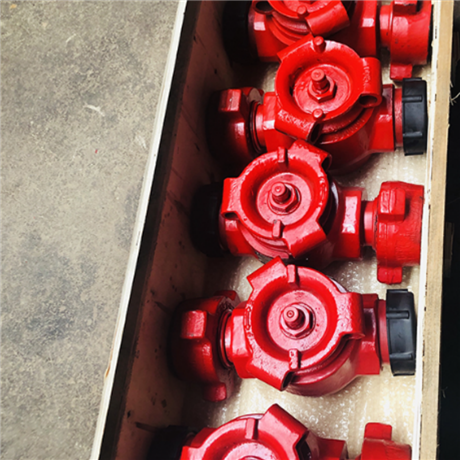

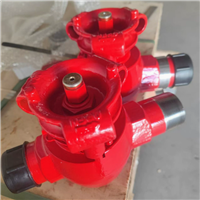
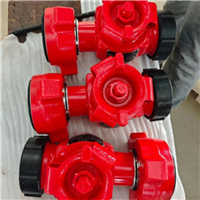
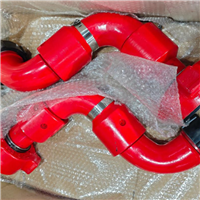
High pressure erosion resistant plug valve for oilfield drilling manifold, manual and pneumatic control
Category:
Instrumentation/valve/Plug valve
Model:
2 inches
Brand:
Hengshui Xinghai
work pressure:
70MPa-140MPa
Diameter range:
2 inches -6 inches
Valve body material:
Cast steel/alloy steel
Drive Type:
Manual/Pneumatic
connection method:
flange connection
Applicable Medium:
Drilling fluid/mud/cement slurry
Execution Standard:
API Spec 6A
sealing form:
Hard alloy seal
Retail Price
10,000,000.00USD
重量
kg
- Product Description
-
work pressure 70MPa-140MPa
Diameter range 2 inches -6 inches
Valve body material Cast steel/alloy steel
Drive Type Manual/Pneumatic
connection method flange connection
Applicable Medium Drilling fluid/mud/cement slurry
Execution Standard API Spec 6A
sealing form Hard alloy seal
Description :
Oil field drilling manifold plug valve is a key control component in petroleum drilling and production operations, mainly used to cut off or connect fluid channels in drilling fluid manifold systems. This valve is designed specifically for high-pressure and high wear conditions, which can effectively solve the erosion problem of mud, cement slurry and other media on the valve body during the drilling process, ensuring the safety and continuity of drilling operations. Typical operating conditions include deep well drilling, fracturing operations, and cementing construction, suitable for pipeline systems that require frequent switching and withstand high-pressure impacts.
This plug valve adopts a high-strength cast valve body structure, which has undergone precision machining and heat treatment processes, and has excellent pressure resistance and erosion resistance. The execution standards comply with API Spec 6A and GB/T related petroleum and natural gas industry specifications. The valve body material is usually carbon steel or alloy steel, and the sealing surface is treated with hard alloy or special coating. The common working pressure level is 70MPa to 140MPa, with a diameter range covering 2 inches to 6 inches. It supports manual worm gear transmission or pneumatic actuator control, ensuring flexible and reliable operation in harsh environments.
When selecting, special attention should be paid to the working pressure level, diameter size, and driving mode. Manual plug valves are suitable for situations with low operating frequency or no gas source, with a simple structure and easy maintenance; Pneumatic plug valves are suitable for remote centralized control or high-frequency operation scenarios, with fast response speed. Compared with ordinary gate valves, plug valves have advantages such as low flow resistance, low opening and closing torque, and are not easily stuck, making them particularly suitable for drilling fluid systems containing granular media. If the operating temperature exceeds 120 ℃ or the medium is highly corrosive, it is recommended to use special sealing materials to customize the model.
Before installation, the internal cleanliness of the valve body should be checked to ensure that there is no welding slag or debris residue. The flange connection should be evenly tightened with bolts to prevent leakage. Regular injection of sealing grease is required for daily maintenance to maintain sealing performance and check whether the actuator operates smoothly. Common faults include sealing surface leakage and operation jamming, which are often caused by dry sealing grease or impurities embedded. They can be solved by cleaning the grease injection channel or replacing the seal. It is recommended to check the status of the valve position indicator every shift. When it is not in use for a long time, the valve should be in the half open position and coated with anti rust oil for protection.
AfterSalesService :
Key words:
More Products