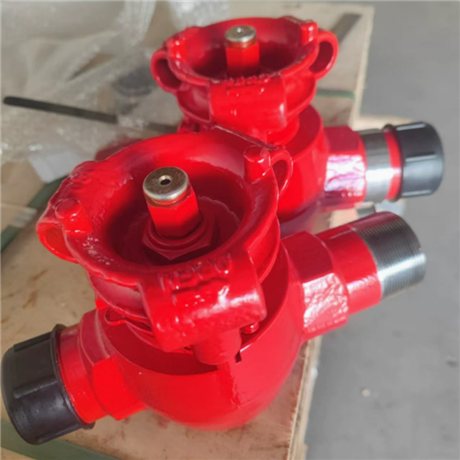

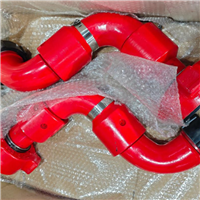
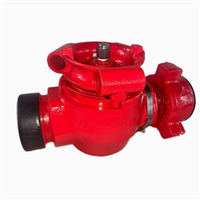
API 6A certified oil field specific high-pressure plug valve drilling fracturing cementing manifold fittings
Category:
Instrumentation/valve/Plug valve
Model:
1" / 2" / 3" / 4"
Brand:
Hengshui Xinghai
certification standard:
API 6A
Nominal Diameter:
one
Applicable Scenarios:
Drilling manifold/fracturing/cementing
Valve body material:
Alloy Steel Forging
connection method:
Flanges/Threads
working medium:
Mud/cement slurry/fracturing fluid
sealing form:
Fat seal/hard seal
Drive Type:
Manual/Pneumatic
Pressure Rating:
3000-15000 psi
Origin manufacturer:
Hengshui Xinghai Petroleum Equipment
Retail Price
10,000,000.00USD
重量
kg
- Product Description
-
certification standard API 6A
Nominal Diameter one
Applicable Scenarios Drilling manifold/fracturing/cementing
Valve body material Alloy Steel Forging
connection method Flanges/Threads
working medium Mud/cement slurry/fracturing fluid
sealing form Fat seal/hard seal
Drive Type Manual/Pneumatic
Pressure Rating 3000-15000 psi
Origin manufacturer Hengshui Xinghai Petroleum Equipment
Description :
Oilfield specific plug valves are key control components in petroleum drilling and completion operations, mainly used for the opening and closing and flow control of media in drilling manifolds, fracturing and cementing systems. This valve solves the problem of fluid sealing and rapid cut-off under high pressure conditions, and is suitable for conveying pipelines of high wear and high viscosity media such as mud, cement slurry, and fracturing fluid. Typical working conditions include the drilling rig riser, throttling manifold, and high-pressure pump outlet, ensuring reliable sealing performance even under extreme pressure fluctuations, and guaranteeing operational safety and efficiency.
This plug valve is manufactured strictly in accordance with API 6A international standards and has high pressure resistance, corrosion resistance, and erosion resistance characteristics. The valve body is usually forged from high-quality alloy steel and undergoes precision machining and heat treatment to ensure material strength and toughness. The sealing surface is treated with hard alloy or special coating to effectively resist the wear of mud particles. The execution standards cover API 6A specifications and undergo rigorous pressure testing and non-destructive testing. Common pressure levels include 3000psi, 5000psi, 10000psi, etc. The connection methods are mostly flange or threaded, suitable for different specifications of drilling manifold systems, ensuring long-term stability in harsh downhole environments.
When selecting, it is necessary to clarify the working pressure, medium type, and diameter size. The 1-inch to 4-inch specifications are suitable for different flow rates of manifold branches, and it is recommended to use forged valve body structures for high-pressure conditions. Compared with ordinary gate valves, plug valves have the advantages of low flow resistance, quick opening and closing, and are not easily blocked, making them particularly suitable for mud media containing solid particles. Not suitable for scenarios that require precise flow regulation, its main function is fully open or fully closed. If the medium contains highly corrosive chemical components, it is necessary to confirm whether the valve body material meets specific anti-corrosion requirements, such as using stainless steel or duplex steel materials, to extend the service life and reduce maintenance costs.
Before installation, the internal cleanliness of the valve should be checked to ensure that there are no debris residues. The flange connection surface should be flat and fitted with suitable gaskets. Regular injection of sealing grease is required for daily maintenance to maintain the sealing performance between the valve seat and the plug core, especially before restarting after a long period of inactivity. The typical usage cycle depends on the degree of wear of the medium, and it is recommended to check the flexibility of the operating handle every shift. Common faults include excessive operating torque or external leakage, usually caused by insufficient sealing grease or aging sealing rings. Lubricating grease should be replenished or sealing components replaced in a timely manner to avoid high-pressure leakage accidents caused by faulty operation.
AfterSalesService :
Key words:
More Products