
Industrial grade cylindrical lithium batteries with high rate discharge stability and durability are suitable for smart devices
Category:
Electrical Engineering/battery/lithium battery
Model:
various
Brand:
UTG
Rated voltage:
3.7V
Typical Capacity:
2500mAh
Shell material:
Nickel plated steel shell
Operating temperature:
-20℃~60℃
cycle life:
≥ 500 times
Charging cut-off voltage:
4.2V
Discharge cut-off voltage:
2.75V
Execution Standard:
GB/T 31485
Retail Price
10,000,000.00USD
重量
kg
- Product Description
-
Rated voltage 3.7V
Typical Capacity 2500mAh
Shell material Nickel plated steel shell
Operating temperature -20℃~60℃
cycle life ≥ 500 times
Charging cut-off voltage 4.2V
Discharge cut-off voltage 2.75V
Execution Standard GB/T 31485
Description :
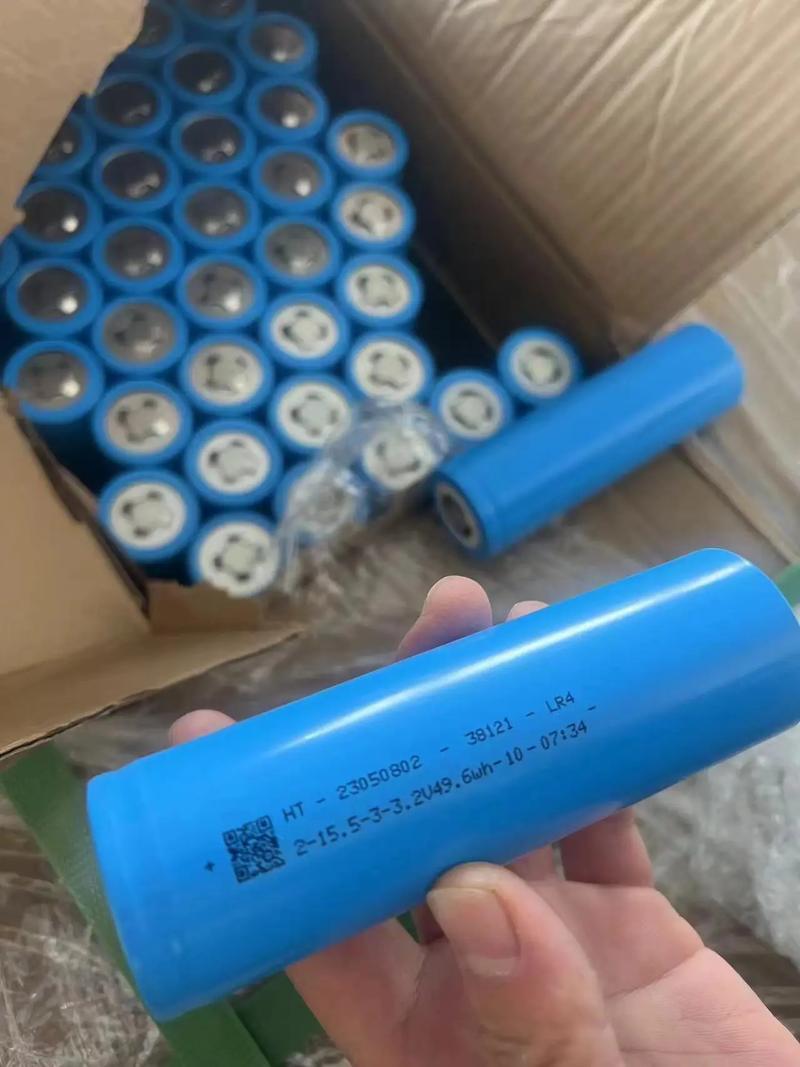
Cylindrical lithium battery is a secondary lithium-ion battery that adopts a cylindrical packaging structure, mainly to solve the demand for high-energy density power sources in portable electronic devices. It is widely used in fields such as flashlights, power tools, laptops, and new energy vehicles. This category usually has standardized size specifications, such as 18650, 21700, etc., which can adapt to various battery compartment designs, provide stable voltage output and long cycle life, and are the core power source of modern electronic devices.
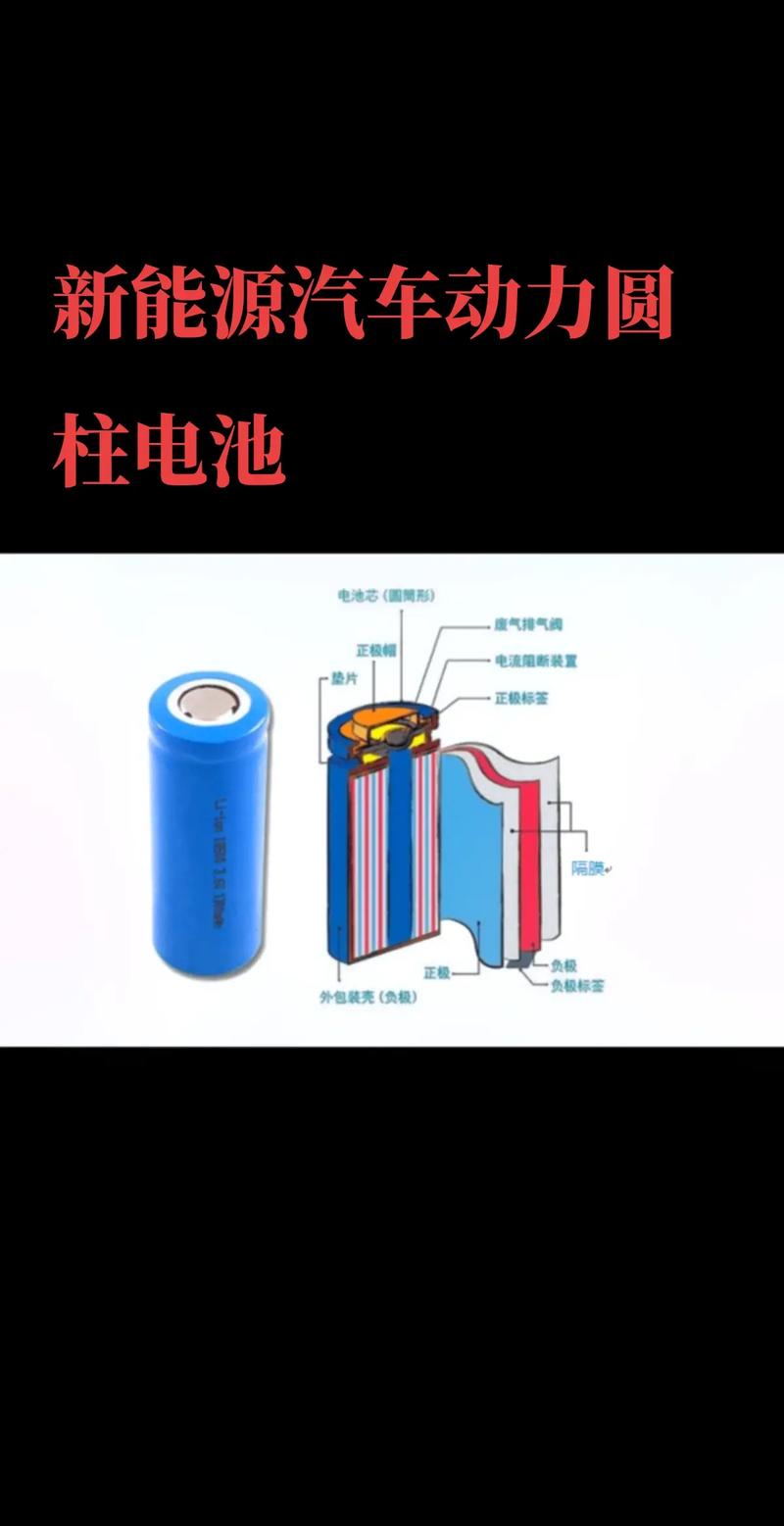
The common cylindrical lithium batteries have a diameter of 18mm or 21mm and a height of 65mm or 70mm, depending on the model standard. The outer shell is usually made of nickel plated steel shell or aluminum alloy material, which has good mechanical strength and corrosion resistance. The internal winding structure consists of positive electrode, negative electrode, separator and electrolyte, and is produced and tested in accordance with national standards such as GB/T 31485. The typical capacity range is between 2000mAh and 5000mAh, with a nominal voltage of generally 3.6V or 3.7V. It supports fast charging and high current discharge, ensuring safety performance under different working conditions.
When selecting, it is necessary to choose based on device power consumption, space limitations, and working environment. High rate cylindrical lithium batteries are suitable for high-power scenarios such as power tools, while high-capacity batteries are more suitable for consumer electronics products that require long battery life. If the device is temperature sensitive, a model with good thermal management design should be selected. Compared with ordinary square batteries, cylindrical lithium batteries have better consistency and higher grouping efficiency, but attention should be paid to the matching of the battery management system (BMS) to avoid overcharging and discharging risks and ensure overall system stability.
When installing cylindrical lithium batteries, attention should be paid to the direction of the positive and negative poles to avoid safety accidents caused by short circuits. In daily use, long-term storage in high temperature, high humidity, or severe vibration environments should be avoided. It is recommended to regularly charge and discharge to maintain the active substance state. Common faults include rapid capacity decay, increased internal resistance, etc. The health status of the battery can be determined through professional testing equipment. Abandoned batteries should be recycled and disposed of in accordance with environmental regulations to prevent heavy metal pollution, extend the overall service life of cylindrical lithium batteries, and ensure environmental safety.
AfterSalesService :
Key words: