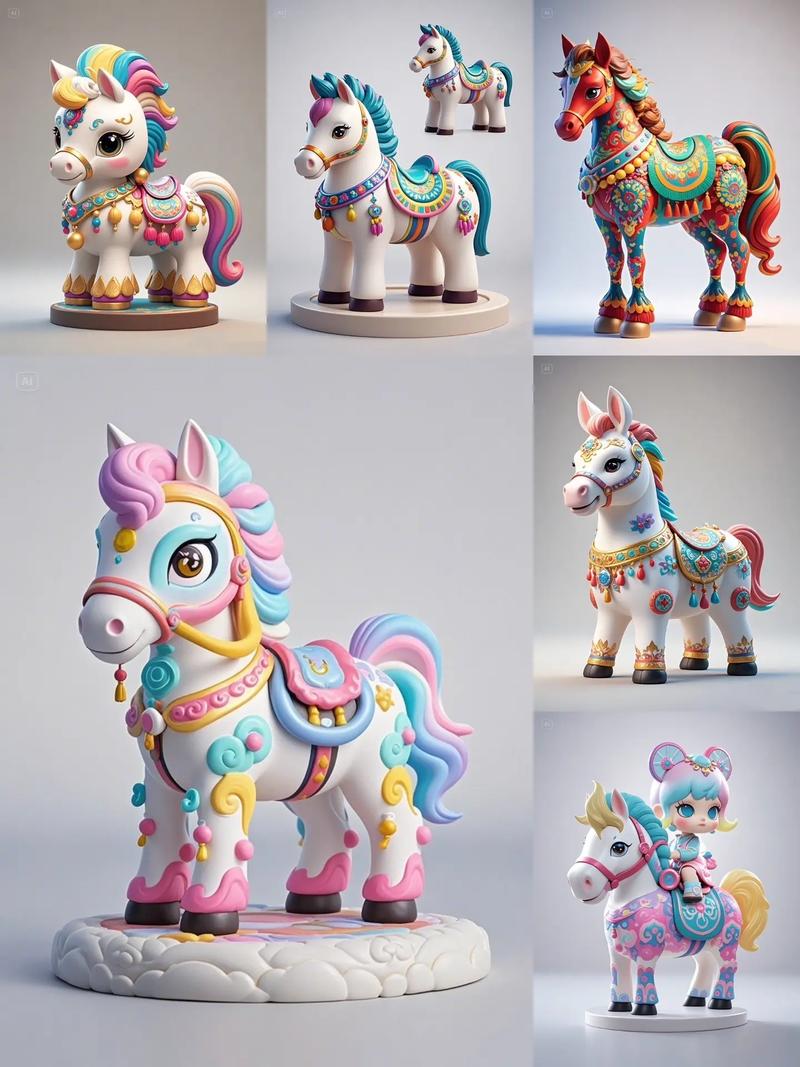

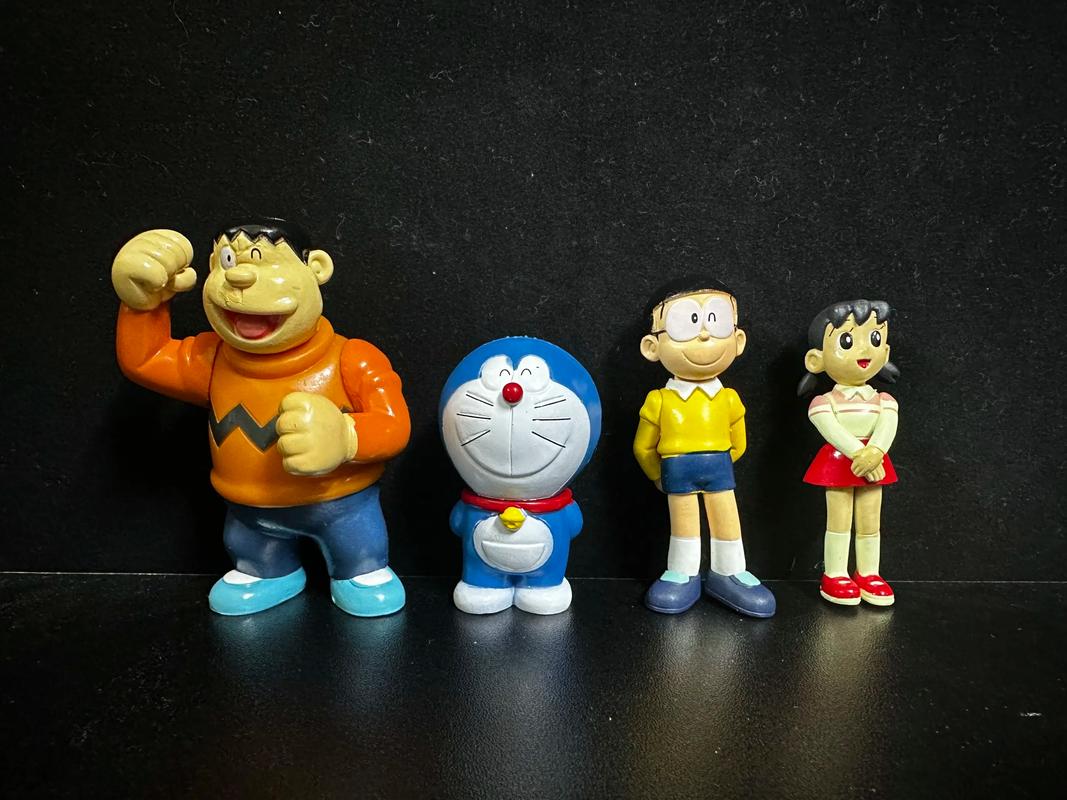
Customized resin figurines, 3D printing, small batch production, entrance hall, living room, office, desktop display, handicrafts
Category:
Toys/Model toys/Handmade model
Model:
Customization
Brand:
Peak model
Craftsmanship:
3D printing/photopolymerization
Main material:
photosensitive resin
Customization Method:
Customization Based on Your Design
production mode:
Small batch/single piece
Surface Treatment:
Polishing/painting/coloring
Applicable Scenarios:
Entrance hall/living room/office
size range:
5-30cm (customizable)
Packaging method:
Foam/carton protection
Retail Price
10,000,000.00USD
重量
kg
- Product Description
-
Craftsmanship 3D printing/photopolymerization
Main material photosensitive resin
Customization Method Customization Based on Your Design
production mode Small batch/single piece
Surface Treatment Polishing/painting/coloring
Applicable Scenarios Entrance hall/living room/office
size range 5-30cm (customizable)
Packaging method Foam/carton protection
Description :
Customized resin figurine is a three-dimensional decorative handicraft made based on photopolymerization or melt deposition technology, mainly used to meet the needs of personalized display, IP image materialization, and small-scale prototype verification. This category is typically used in scenarios such as entrances, living rooms, and office desktops, which can accurately restore design details and meet users' pursuit of unique aesthetics and spatial embellishment. As a representative product of 3D printing for small batch production, it breaks through the high cost limitations of traditional open mold injection molding and is particularly suitable for flexible production modes such as single piece customization or small quantities of multiple products. It is a key carrier connecting digital design and physical display.
The specifications of this resin figurine are usually formed based on the 3D drawings provided by the customer, with a common size range of 5cm to 30cm, and the proportion can be adjusted according to the needs. The materials are mostly made of high toughness photosensitive resin or ABS like resin, and the surface is treated with post-treatment processes such as polishing, painting, and coloring, which have good detail expression and color saturation. The execution standard refers to the industry's commonly used 3D printing product acceptance specifications, with a focus on assessing dimensional tolerances (usually within ± 0.1mm to ± 0.3mm), surface roughness, and coating adhesion. Some high-end customized products may also involve the production of transparent parts or special texture treatment to ensure that the finished product presents the best visual effect under natural light or indoor lighting.
When selecting, it is necessary to clarify whether the usage scenario is static display or structural components with movable joints. The former focuses on surface coating accuracy, while the latter focuses on joint fit tolerance. Applicable scenarios include personal collections, corporate gifts, game peripheral displays, and design proposal models; Not suitable for high temperature environments, direct biting by children, or long-term outdoor exposure, as resin materials may have a risk of yellowing under prolonged exposure to ultraviolet radiation. Compared with traditional PVC mass-produced figurines, the advantages of 3D printed resin figurines are that they do not require mold opening, have a short cycle, and are flexible to modify. However, the cost per piece is relatively high, making them suitable for procurement projects that require timeliness and uniqueness.
In terms of installation and maintenance, resin figurines usually only need to be placed on a flat and dry surface. It is recommended to avoid direct sunlight to prevent fading or deformation. Use a soft bristled brush or a balloon for daily cleaning to remove dust. It is strictly prohibited to use organic solvents such as alcohol and acetone to wipe, in order to avoid damaging the surface paint layer or dissolving the resin substrate. If there are slight scratches, they can be repaired by professionals through polishing; If a fracture occurs, specialized resin adhesive can be used for bonding. The typical usage cycle depends on the storage environment. Generally, it can maintain a stable appearance for several years in indoor environments. Regularly check the stability of the base and component connections to ensure display safety.
AfterSalesService :
Key words: