
TPU high elasticity 3D printed shock-absorbing seals customized in bulk processing based on drawings
Category:
mechanical equipment/Seals/Rubber plastic seals
Model:
Customization Based on Your Design
Brand:
Peak model
Material Material:
Thermoplastic polyurethane (TPU)
forming process:
3D Printing (FDM/SLS)
Hardness range:
Shore A 70-95 degrees
printing accuracy:
±0.1mm
Operating temperature:
-30 ℃ to 80 ℃
Surface Treatment:
Natural pattern/sandblasting/polishing
Customization Method:
Processing based on drawings/samples
production cycle:
Sample making takes 1-3 days
Retail Price
10,000,000.00USD
重量
kg
- Product Description
-
Material Material Thermoplastic polyurethane (TPU)
forming process 3D Printing (FDM/SLS)
Hardness range Shore A 70-95 degrees
printing accuracy ±0.1mm
Operating temperature -30 ℃ to 80 ℃
Surface Treatment Natural pattern/sandblasting/polishing
Customization Method Processing based on drawings/samples
production cycle Sample making takes 1-3 days
Description :
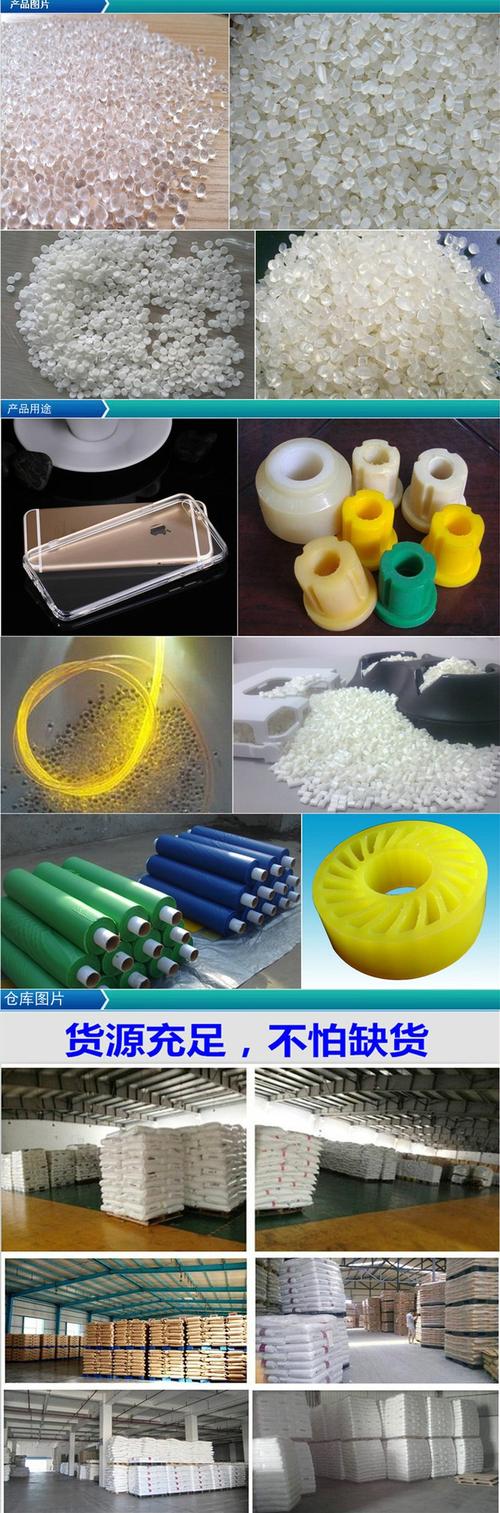
TPU shock absorber seal is a functional component based on thermoplastic polyurethane elastomer material, formed through 3D printing technology. This type of product mainly solves the problems of long development cycle, high cost, and difficult injection molding of complex structures in traditional molds, and is particularly suitable for small batch trial production, rapid iteration verification, and personalized customization scenarios. TPU material itself has excellent rubber like elasticity and plastic processability, which enables the finished product to maintain good sealing performance while having excellent impact resistance and shock absorption. It is widely used in dynamic sealing and support links in mechanical equipment, automotive parts, and consumer electronics fields.
The specification parameters of TPU shock-absorbing seals are highly dependent on specific design drawings. The common hardness range covers Shore A 70 degrees to 95 degrees, and the balance between flexibility and wear resistance can be adjusted according to working conditions. The 3D printing process usually adopts FDM or SLS technology, with layer thickness accuracy controlled between 0.1mm and 0.2mm, ensuring precise reproduction of complex geometric structures such as inverted loops, internal flow channels, and irregular cross-sections. The material complies with RoHS environmental standards and has the characteristics of oil resistance, hydrolysis resistance, and UV aging resistance. The working temperature range is usually from -30 ℃ to 80 ℃, and some modified grades can withstand higher temperatures, meeting the physical performance requirements of most industrial environments.
When selecting TPU shock absorber seals, it is necessary to clearly distinguish the application differences between static seals and dynamic seals. Static scenes focus on compressing permanent deformation rate and rebound speed, while dynamic scenes pay more attention to wear resistance coefficient and frictional heat generation control. If the working conditions involve strong acid-base corrosion or long-term immersion, it is necessary to confirm whether the specific grade of TPU has the corresponding chemical stability. If necessary, traditional molding materials such as fluororubber can be used as substitutes. For large-scale standardized production, it is recommended to evaluate the economy of open mold injection molding; For orders with multiple varieties, small batches, or frequent structural changes, 3D printed TPU shock-absorbing seals have significant advantages in delivery speed and overall cost, without the need for expensive steel molds.
The installation and maintenance of TPU shock-absorbing seals should pay attention to the design of fitting tolerances, and the interference fit is generally controlled at 10% -15% to ensure the sealing effect and not damage the material surface. Avoid scratching the sealing surface with sharp objects during daily use, and regularly check for permanent deformation or cracks caused by long-term compression. If seal failure or decreased shock absorption performance is found, spare parts should be replaced in a timely manner. When cleaning, it is recommended to use neutral detergent and avoid wiping with organic solvents such as ketones and esters to prevent material swelling or degradation. The correct installation direction and lubrication treatment can significantly extend the service life of TPU shock-absorbing seals, ensuring the stability and safety of equipment operation.
AfterSalesService :
Key words: