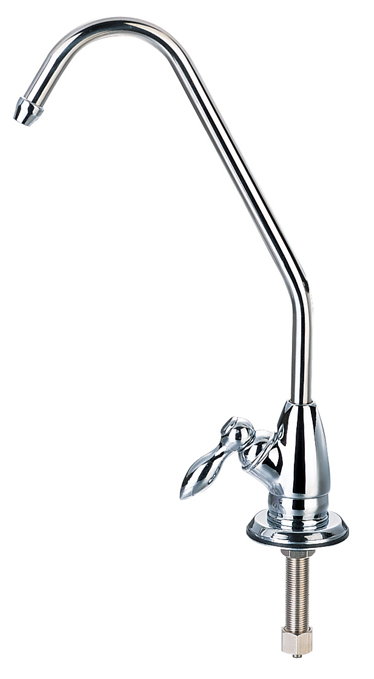

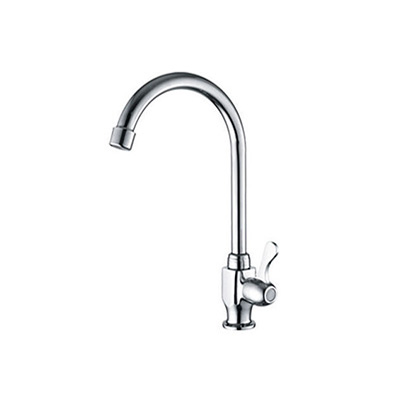
Copper body ceramic valve core basin faucet with dual control of hot and cold, splash proof and water-saving, suitable for kitchen and bathroom use
Category:
hardware/plumbing hardware /Faucet
Model:
three thousand and six
Brand:
South China Bathroom
Main material:
59 fine copper
surface treatment:
Multi layer chromium electroplating
Valve core type:
ceramic valve core
Suitable water temperature:
0-90℃
work pressure:
0.05-1.0MPa
installation aperture:
32-35mm
Water inlet interface:
G1/2 inches
execution standard:
GB 18145-2014
Retail Price
10,000,000.00USD
重量
kg
- Product Description
-
Main material 59 fine copper
surface treatment Multi layer chromium electroplating
Valve core type ceramic valve core
Suitable water temperature 0-90℃
work pressure 0.05-1.0MPa
installation aperture 32-35mm
Water inlet interface G1/2 inches
execution standard GB 18145-2014
Description :
Faucet is a terminal sanitary ware accessory that controls the water flow switch and adjusts the water temperature, mainly to meet the daily water needs for washing and grooming. This product is usually installed on a basin, kitchen sink, or bathtub, and the temperature and flow rate are precisely adjusted by controlling the mixing ratio of cold and hot water through an internal valve core. As a high-frequency hardware component, its core lies in sealing and durability, suitable for various scenarios such as home residences, hotel rooms, public bathrooms, etc. It is the infrastructure to ensure water hygiene and convenience.
The main material is mostly made of 59-1 copper casting, which is formed by gravity casting to ensure uniform thickness of the pipe wall and resistance to pressure and explosion. The surface is treated with multi-layer electroplating technology, including acid copper, nickel, chromium and other coatings. After 24 hours of acetic acid salt spray testing, it meets the tenth level anti-corrosion standard and is not easy to rust and peel off after long-term use. The internal valve core is made of high-quality ceramic sheets, which have high hardness and wear resistance. After testing, it can withstand more than 500000 switch operations without dripping. The water outlet is often equipped with a aerator to soften the water flow without splashing, while also playing a role in water conservation and noise reduction, which complies with the national standard GB 18145-2014 for ceramic sealed water nozzles.
When selecting, it is necessary to distinguish between single cold and hot cold dual control styles. For basin faucets, attention should be paid to the installation aperture, which is usually 32-35mm. For kitchen faucets, consideration should be given to whether the rotation angle covers the entire sink area. If pursuing texture and longevity, it is preferred to choose a full copper body instead of zinc alloy material; If the budget is limited, stainless steel 304 material is also a good choice for rust prevention. Pay attention to identifying the specifications of the inlet hose interface, which is typically a G1/2-inch quarter joint. For areas with high water pressure, it is recommended to check the pressure bearing capacity of the valve core to avoid the risk of pipe bursting. Approximate category angle valves are only used to cut off water sources and do not have the function of regulating flow. They cannot be mixed.
Before installation, it is necessary to clean the sediment and impurities in the pipeline to prevent particles from getting stuck in the valve core and causing loose closure. Suggest installing a filter screen at the inlet angle valve to extend the service life of the faucet. Use neutral detergent and soft cloth for daily cleaning, and strictly prohibit the use of acidic or abrasive cleaning agents to avoid damaging the luster of the plating layer. If there is a decrease in water output, it is mostly due to blockage of the aerator. Disassembling and cleaning can restore it; If the handle becomes loose or drips water, it is usually due to worn valve cores or loose fixing nuts. It is necessary to replace the valve cores or fastening components in a timely manner to avoid wasting water resources and preventing the cabinet from becoming damp and moldy.
AfterSalesService :
Key words:
More Products