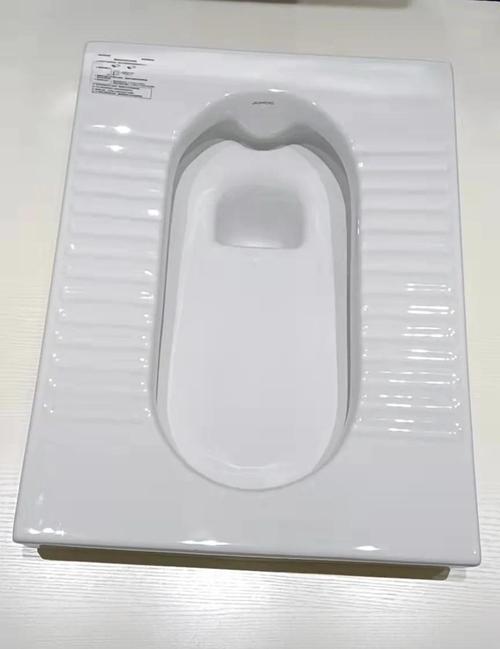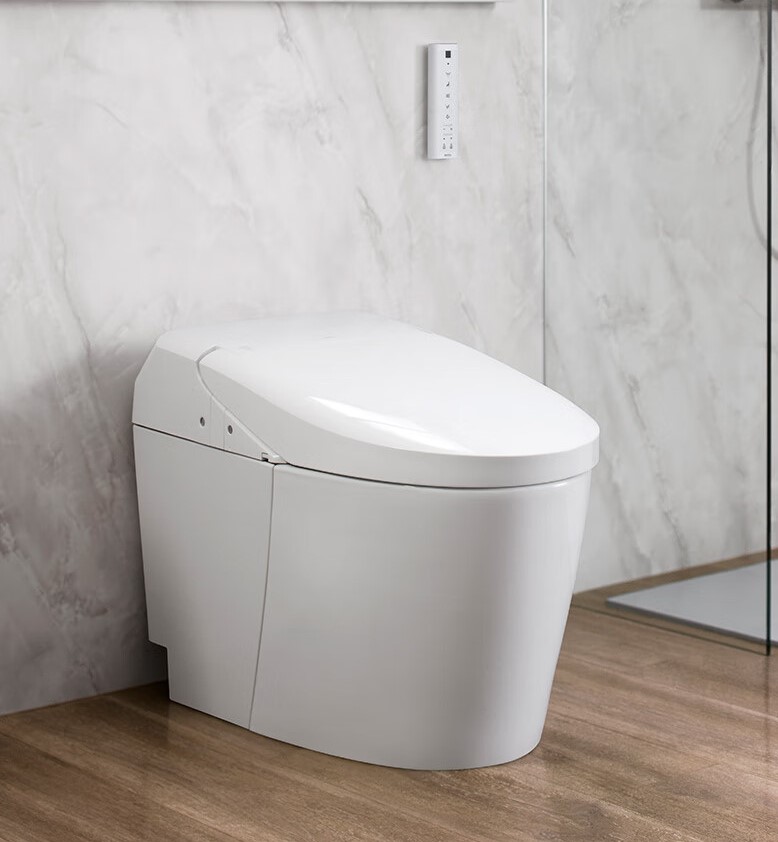

Ordinary toilet, household bathroom, water-saving, silent siphon toilet
Category:
building materials/Bathroom hardware/Toilet
Model:
K-3005
Brand:
High end bathroom in South China
PCD (Pitch Circle Diameter):
305mm/400mm
drainage method:
Bottom row style
Flushing method:
Siphon/Direct Flow
material:
High temperature ceramics
water absorption rate:
≤0.5%
Single flushing volume:
4.8L-6L
execution standard:
GB/T 6952-2015
Glazed surface type:
Microcrystalline self-cleaning glaze
Retail Price
10,000,000.00USD
重量
kg
- Product Description
-
PCD (Pitch Circle Diameter) 305mm/400mm
drainage method Bottom row style
Flushing method Siphon/Direct Flow
material High temperature ceramics
water absorption rate ≤0.5%
Single flushing volume 4.8L-6L
execution standard GB/T 6952-2015
Glazed surface type Microcrystalline self-cleaning glaze
Description :
Ordinary toilets are the basic sanitary ware for household and commercial bathrooms, mainly solving the problem of collecting and flushing human excrement. They are suitable for conventional drainage conditions such as residential buildings, hotels, and office buildings. This product is usually made of ceramic material fired and glazed on the surface, with good anti fouling and chemical corrosion resistance. As the core component of bathroom space, ordinary toilets isolate sewer odors through water seals to ensure indoor environmental hygiene. Their structural design needs to comply with ergonomics to ensure comfort and stability during use, making them an indispensable terminal device in modern building water supply and drainage systems.
The specifications of a regular toilet usually include pit spacing, drainage method, and overall size. The common pit spacing is 305mm or 400mm, suitable for most reserved sewage outlet positions; The drainage method is mostly bottom row, and some models support rear row. In terms of material, mainstream products use high-temperature microcrystalline self-cleaning glazed ceramics with a water absorption rate of less than 0.5%. After high-temperature firing above 1200 ℃, the body is dense and hard. The implementation standards usually refer to GB/T 6952-2015 "Sanitary Ceramics", and ensure product durability and flushing efficiency through water seal depth testing, flushing function testing, and load-bearing strength testing. The general single flushing volume is between 4.8L and 6L, which meets water-saving requirements.
When selecting a regular toilet, it is necessary to first measure the distance from the center of the bathroom drain outlet to the wall, determine the pit distance specification, and avoid installation errors. Secondly, according to the structure of the sewer pipeline, the drainage method should be selected, and old-fashioned buildings may need to be equipped with displacement devices. If you are sensitive to noise, it is recommended to prioritize the siphon type ordinary toilet, which uses the water level difference to generate suction and has a quieter flushing effect than the straight flush type. For small-sized bathrooms, a compact design or wall mounted ordinary toilet can be chosen to save space. It should be noted that ordinary toilets are not suitable for areas without water or water shortage, nor are they suitable for scenarios that require special medical care. In such cases, smart toilets or specialized care equipment should be considered.
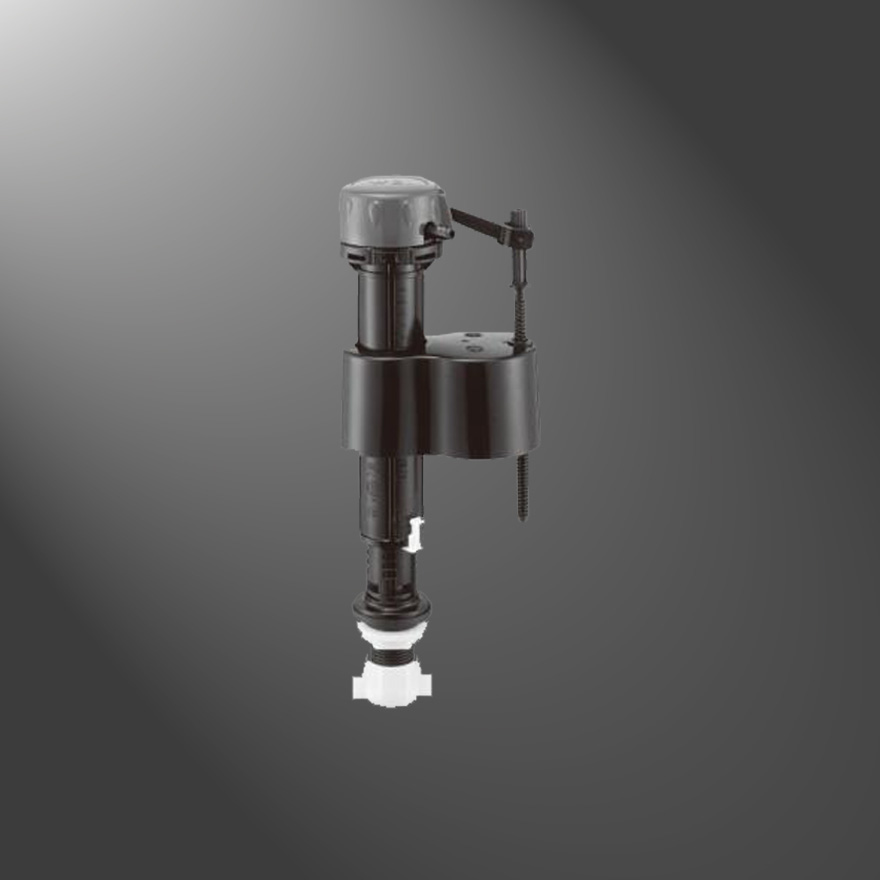
Before installing a regular toilet, it is necessary to check whether the sewage outlet is flat. It is recommended to use a flange ring for sealing connection to prevent sewage leakage and odor overflow. When fixing, the bolt force should be uniform to avoid excessive force that may cause cracking of the ceramic base. In daily maintenance, neutral cleaning agents should be used regularly to clean the inner wall glaze surface, avoiding the use of strong acids and alkalis to corrode the glaze layer and affect the anti fouling performance. If there is weak flushing, check the water level setting of the inlet valve or clean the nozzle filter screen; If water seepage is found at the bottom, it is mostly due to aging or displacement of the flange ring, and it needs to be replaced in a timely manner. When not in use for a long time, the inlet angle valve should be closed and the water tank should be emptied to prevent component aging and water leakage.
AfterSalesService :
Key words:
More Products