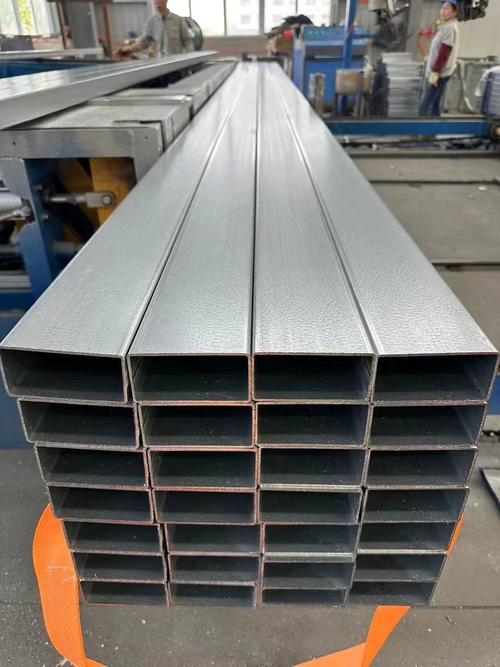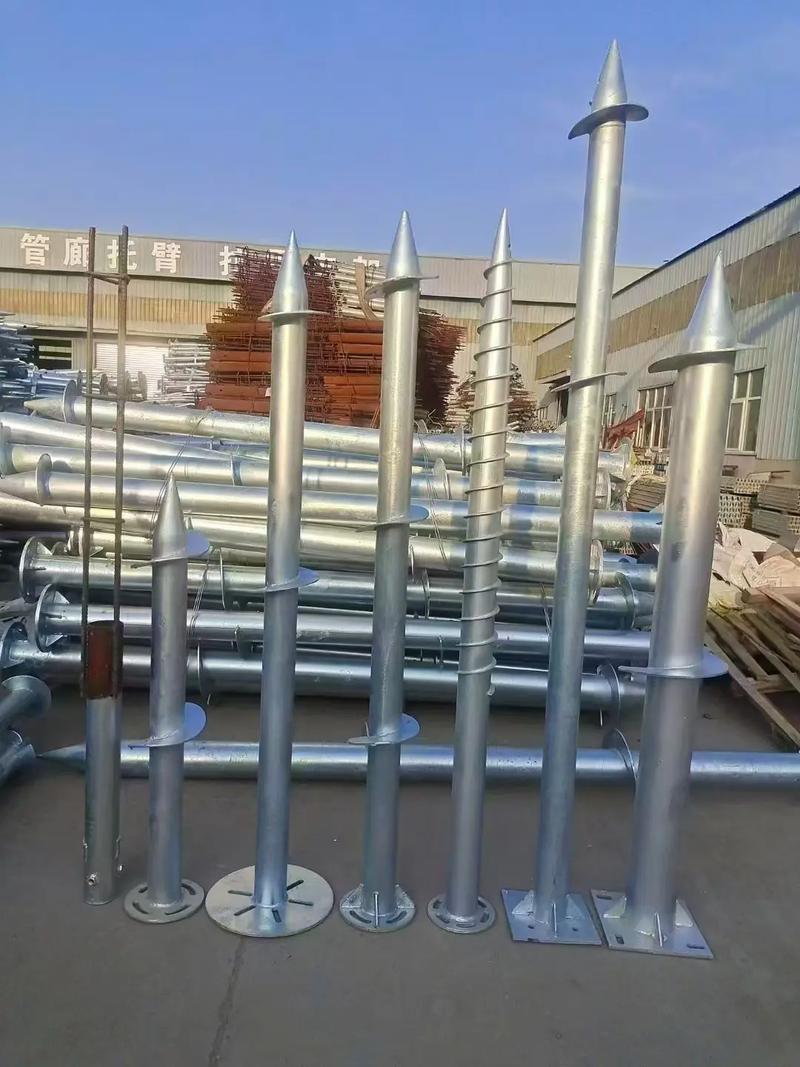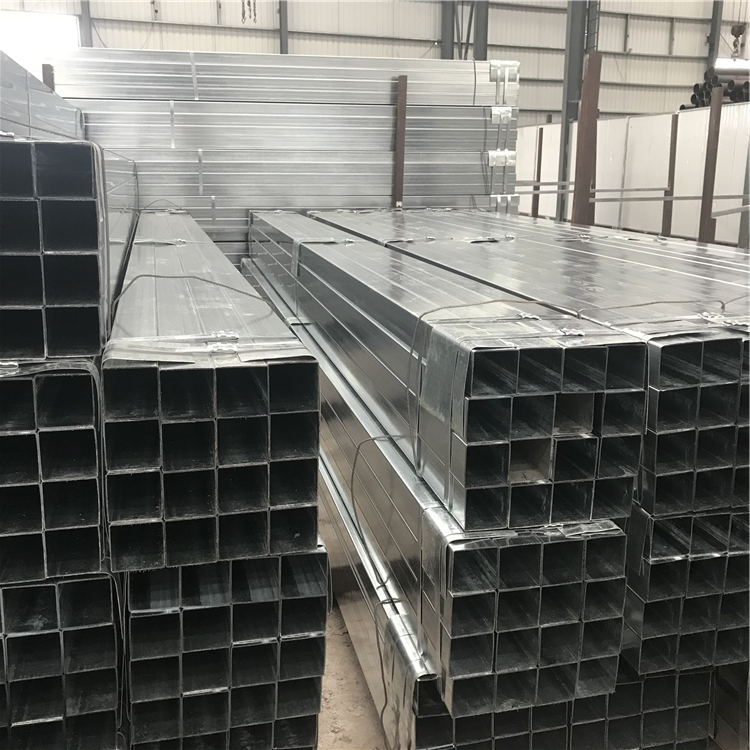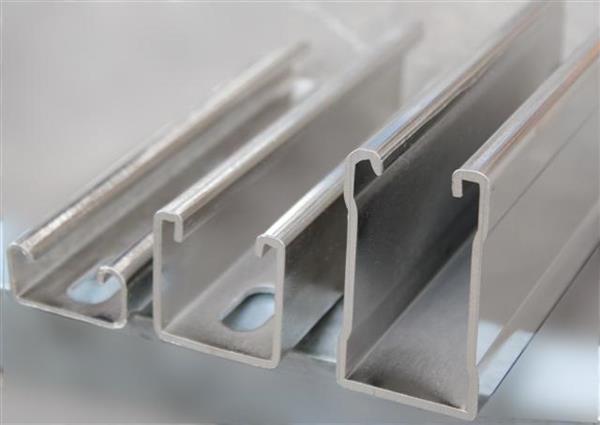

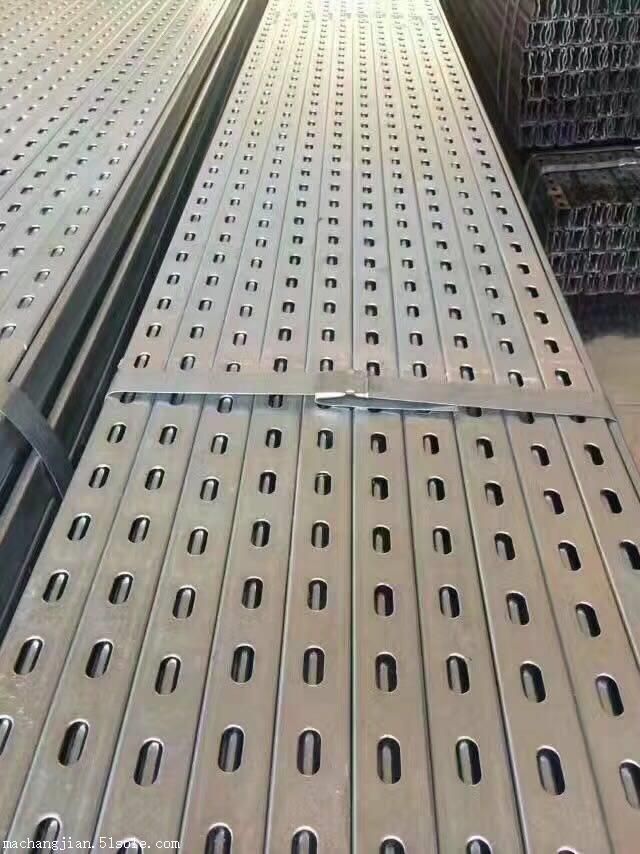
Hot dip galvanized photovoltaic bracket components have high corrosion resistance and are easy to install on floors and roofs
Category:
energy/Photovoltaic power generation system/Photovoltaic bracket
Model:
41*41-72
Brand:
Zhongqiang Steel
Main material:
Q235B carbon steel/6005-T5 aluminum alloy
surface treatment:
Hot dip galvanizing/anodizing
Thickness of galvanized layer:
≥65μm
Applicable wind speed:
≤60m/s
Suitable for snow load:
≤1.5kN/m²
Working temperature range:
-40℃ ~ +85℃
Design service life:
≥ 25 years
execution standard:
GB/T 50009 / AS/NZS 1170
Retail Price
10,000,000.00USD
重量
kg
- Product Description
-
Main material Q235B carbon steel/6005-T5 aluminum alloy
surface treatment Hot dip galvanizing/anodizing
Thickness of galvanized layer ≥65μm
Applicable wind speed ≤60m/s
Suitable for snow load ≤1.5kN/m²
Working temperature range -40℃ ~ +85℃
Design service life ≥ 25 years
execution standard GB/T 50009 / AS/NZS 1170
Description :
Photovoltaic bracket is a key basic structural component used in solar photovoltaic power generation systems to fix, support, and adjust the angle of photovoltaic modules. It directly determines the stability and power generation efficiency of photovoltaic arrays, mainly solving the problem of secure installation of components under complex outdoor weather conditions. Typical operating conditions include large-scale ground power stations, commercial and industrial rooftops, and distributed household scenarios. This category needs to have extremely high wind pressure resistance, snow load resistance, and environmental corrosion resistance to ensure the safe operation of photovoltaic power plants for more than 25 years throughout their entire lifecycle. As a bridge connecting components and foundations, the structural design of photovoltaic brackets needs to take into account both mechanical performance and construction convenience, which is the core hardware facility to ensure the long-term stable income of power plants.
Photovoltaic brackets are usually made of high-strength aluminum alloy or hot-dip galvanized steel, with a surface that has undergone anodizing or hot-dip galvanizing anti-corrosion treatment. The coating thickness is generally not less than 65 μ m to meet the requirements of C4 and above corrosive environments. Common implementation standards include GB/T 50009 "Code for Load of Building Structures" and international mainstream standards such as AS/NZS 1170. The material is mostly Q235B or Q355B carbon steel, or 6005-T5/6063-T5 aluminum alloy. The key processes involve cold bending, precision stamping, and welding assembly, and all cuts and welds require secondary anti-corrosion repair. The product needs to undergo strict salt spray testing and tensile strength testing to ensure stable physical properties within a wide temperature range of -40 ℃ to+85 ℃ and adapt to various extreme weather conditions.
When selecting photovoltaic brackets, it is necessary to clarify the installation scenario. Fixed or flat single axis tracking brackets are often used for ground power stations, while aluminum alloy guide rail systems or color steel tile fixtures are commonly used for roofs. If located in high salt spray coastal areas, hot-dip galvanized steel or high-grade aluminum alloy materials must be given priority; In areas with high wind pressure, it is necessary to strengthen the design of column wall thickness and foundation weight distribution. Compared with simple angle steel brackets, professional photovoltaic brackets have standardized hole positions and adjustment functions, higher installation accuracy, and lower maintenance costs in the later stage. Attention should be paid to distinguishing the rail spans corresponding to different component sizes to avoid component cracking caused by excessive spans. For roofs with complex slopes, adjustable angle triangular supports should be selected to ensure optimal inclination and structural balance.
Before installing the photovoltaic bracket, it is necessary to check the position deviation of the foundation embedded parts to ensure that the verticality error of the column is controlled within 3mm. It is recommended to use stainless steel or Dacromet treated parts for connecting bolts and tighten them according to the specified torque value to prevent loosening due to vibration. Routine maintenance focuses on the inspection of whether the anti-corrosion coating is damaged, whether the connectors are rusted or loose, especially in extreme weather such as rainstorm and typhoon. Common faults include bracket deformation, weld cracking, and poor grounding. If coating peeling is found, zinc rich paint should be applied immediately for repair. Regularly clean the obstructions and weeds around the bracket to avoid local shadow effects affecting power generation efficiency, while keeping the drainage channels unobstructed to prevent water accumulation from accelerating bottom corrosion.
AfterSalesService :
锌铝镁 热镀锌Key words:
More Products