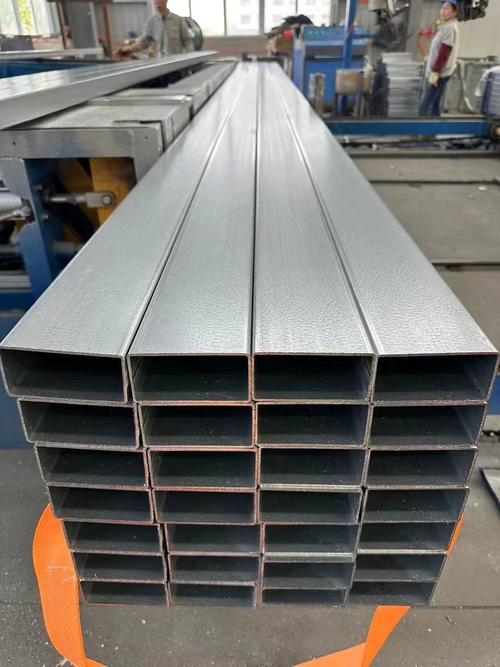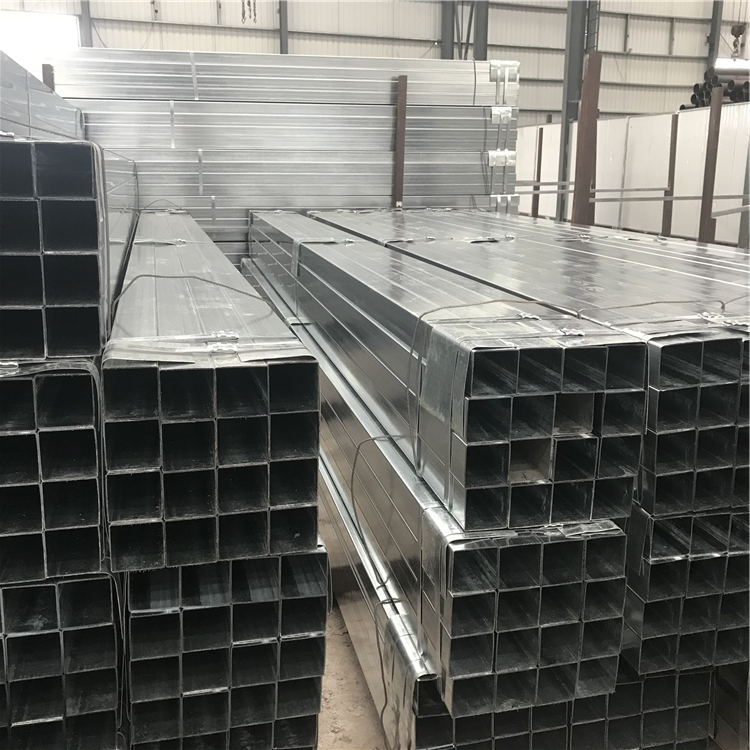

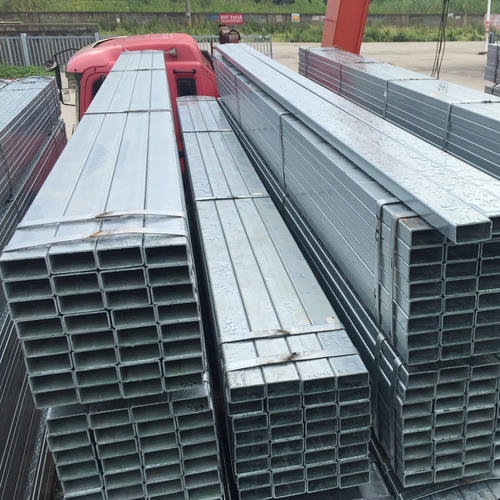
Hot dip galvanized square tube with national standard Q235B material for anti-corrosion and anti rust building curtain wall structure
Category:
building materials/Construction and building materials pipes/Galvanized pipe
Model:
40-400 cubic meters
Brand:
Zhongqiang Steel
material:
Q235B/Q345B
galvanization process:
Hot dip galvanizing/electro galvanizing
execution standard:
GB/T 3091-2015
zinc coating weight:
60-275g/m²
surface treatment:
Galvanized Bright
Processing Service:
Cutting/punching/bending
application field:
Architecture/Machinery/Curtain Wall
packaging method:
Binding/Moisture proof
Retail Price
10,000,000.00USD
重量
kg
- Product Description
-
material Q235B/Q345B
galvanization process Hot dip galvanizing/electro galvanizing
execution standard GB/T 3091-2015
zinc coating weight 60-275g/m²
surface treatment Galvanized Bright
Processing Service Cutting/punching/bending
application field Architecture/Machinery/Curtain Wall
packaging method Binding/Moisture proof
Description :
Galvanized square tube is a square section steel pipe made of high-quality carbon structural steel or low-alloy high-strength structural steel as the substrate, formed by high-frequency welding, and then hot-dip galvanized or electroplated galvanized. This type of pipe combines the mechanical properties of square tubes with the anti-corrosion properties of zinc coating, mainly solving the problem of rusting of metal structures in humid, outdoor or corrosive environments. It is widely used in building structures, curtain wall engineering, machinery manufacturing, agricultural greenhouses and other fields. Its core advantage lies in the zinc layer covering the surface, which can effectively isolate air and water molecules, significantly extending the service life, while maintaining high strength and stiffness, meeting various load-bearing and support requirements.
The specifications and dimensions of this product cover a wide range, with common side lengths ranging from 20mm to 400mm and wall thicknesses typically between 1.0mm and 12mm. Specific customization can be made according to customer needs. Q235B or Q345B are commonly used as materials, which comply with national standards such as GB/T 3091-2015 "Welded Steel Pipes for Low Pressure Fluid Transport" or GB/T 6728-2017 "Cold Bending Hollow Section Steel for Structural Use". The weight of the galvanized layer is generally controlled between 60-275g/m ² to ensure that the anti-corrosion performance meets the standard. The production process includes hot-rolled coil slitting, forming welding, weld seam treatment, and high-temperature galvanizing. The surface presents a silver white metallic luster, and the zinc layer is uniformly adhered without missing plating or peeling. It has high dimensional accuracy, good straightness, and is convenient for subsequent processing and installation.
When selecting, the galvanizing method and specifications should be determined based on the actual usage scenario. Hot dip galvanized square tube has a thick zinc layer and strong adhesion, suitable for outdoor exposed environments such as street lamp posts, highway guardrails, and building exteriors; Electroplated galvanized square tube has a smooth surface but a thin zinc layer, making it suitable for indoor dry environments or decorative components that require high surface aesthetics. If used for load-bearing structures, products with thicker walls and Q345B material should be preferred to improve their load-bearing capacity; If only used for non load bearing enclosure or decoration, thin-walled Q235B material can be chosen to reduce costs. Attention should be paid to distinguishing the difference between galvanized square tube and black square tube painting. The former has a much better anti-corrosion life than the latter, avoiding early failure caused by mistakenly selecting ordinary black tube in corrosive environments.
It is recommended to use specialized connectors or welding during the installation process. After welding, the weld seam needs to be repaired with zinc rich paint to restore the continuity of the anti-corrosion layer and prevent rust from spreading from the weld point. Daily maintenance is relatively simple. Regularly check the surface zinc layer for mechanical damage or severe corrosion. Minor scratches can be naturally passivated and repaired, while severe damage requires timely application of anti-corrosion coating. During transportation and stacking, contact with acidic and alkaline substances should be avoided, and ventilation and dryness should be maintained to prevent the formation of white rust. The typical service life can reach 10-20 years in outdoor environments, depending on local climate conditions and zinc layer thickness. Reasonable maintenance can further extend the service life and reduce the overall life cycle cost.
AfterSalesService :
235-355Key words:
More Products