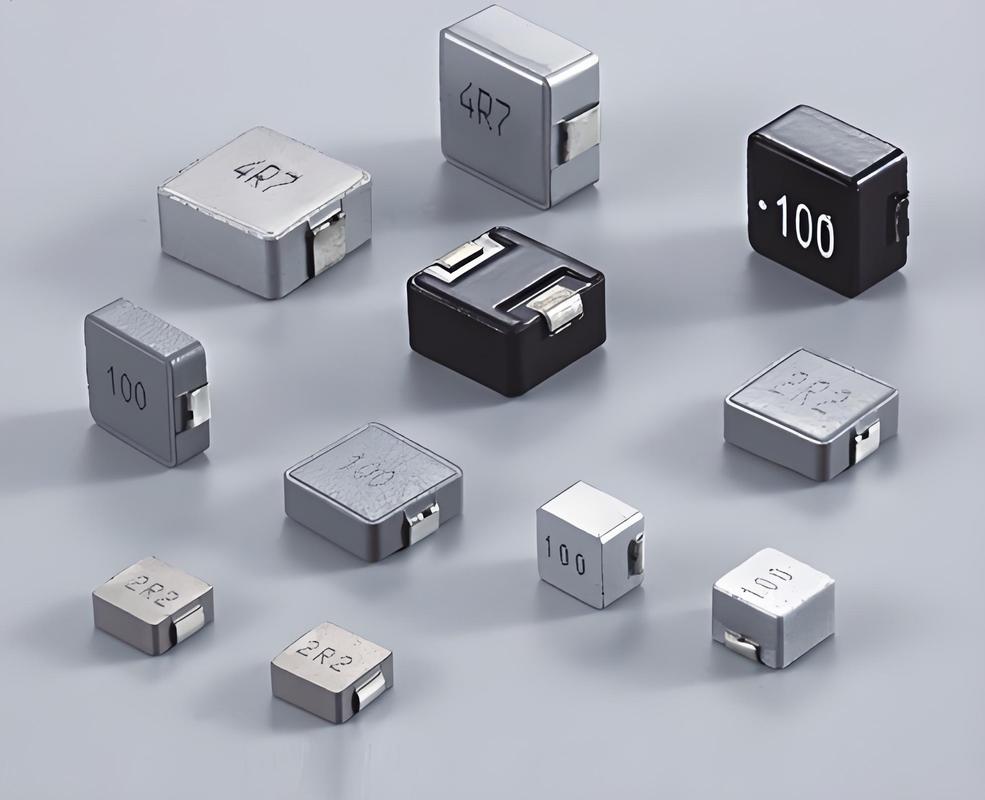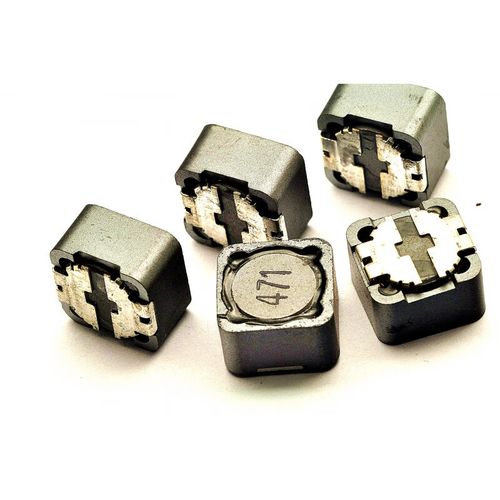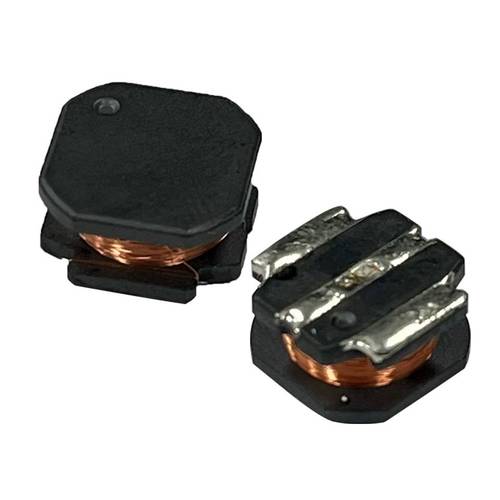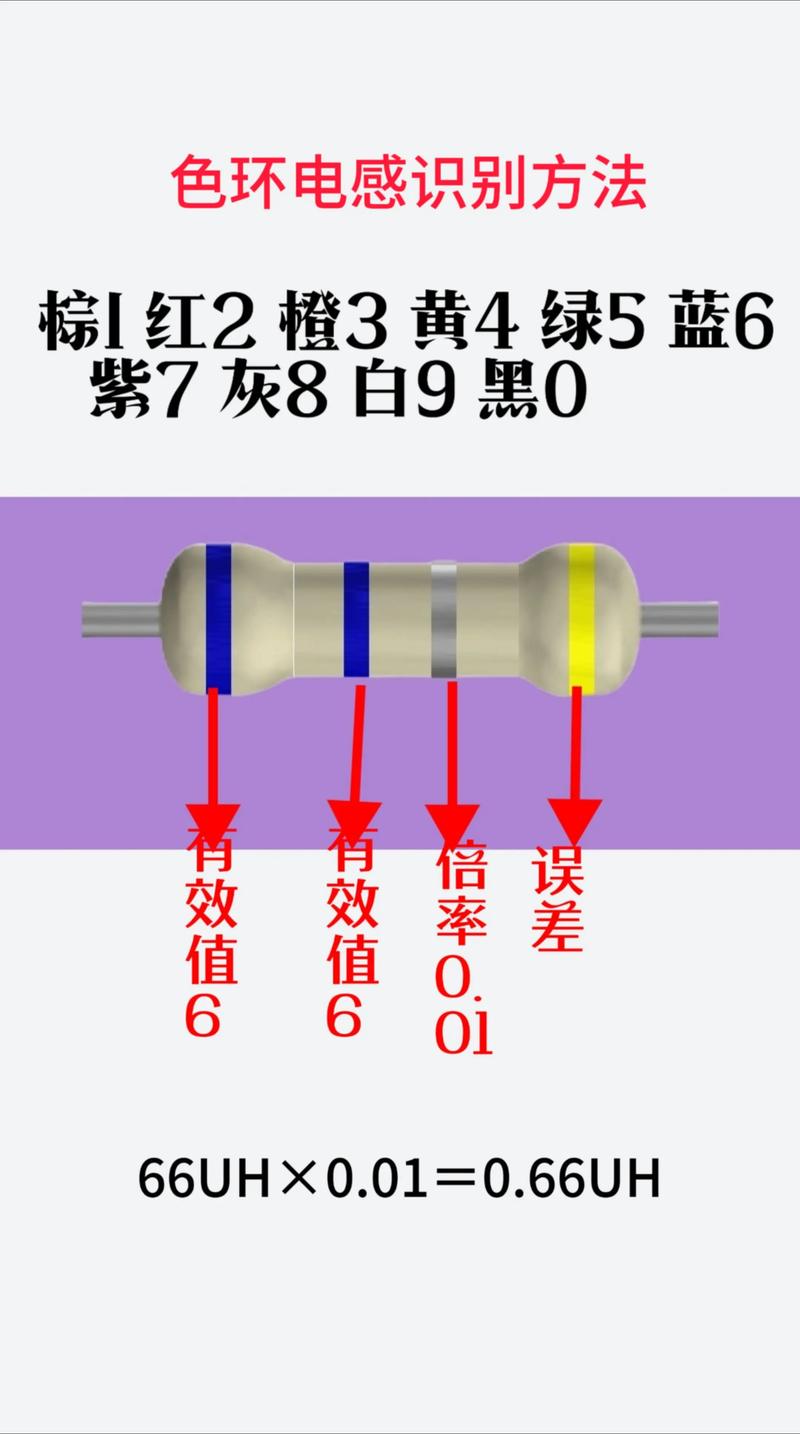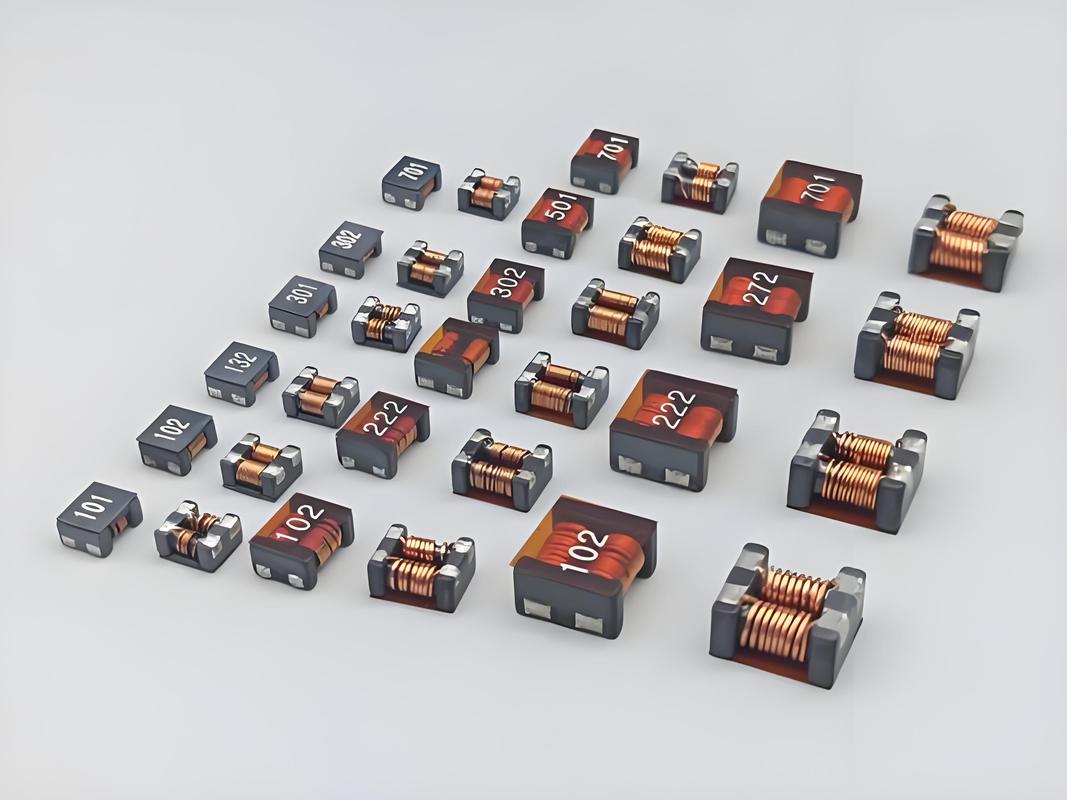

Vehicle grade SMD common mode inductor AEC-Q200 certified low DCR suitable for OBC and 48V systems
Category:
electron/Passive device inductance/Common mode inductance
Model:
PH9408 series benchmark model
Brand:
Yuzhixin
Inductance range:
10~180μH
Rated Current:
5~36A
certification standard:
AEC-Q200
Installation Method:
SMD surface mount
DC resistance:
Low DCR
Application Fields:
New energy vehicle OBC/48V system/EMI filtering
Benchmarking series:
Pulse PH9408
Operating temperature:
-40 ℃~125 ℃ (vehicle grade)
Retail Price
10,000,000.00USD
重量
kg
- Product Description
-
Inductance range 10~180μH
Rated Current 5~36A
certification standard AEC-Q200
Installation Method SMD surface mount
DC resistance Low DCR
Application Fields New energy vehicle OBC/48V system/EMI filtering
Benchmarking series Pulse PH9408
Operating temperature -40 ℃~125 ℃ (vehicle grade)
Description :
This common mode inductor is a surface mount device designed specifically for automotive electronics, mainly to solve electromagnetic interference problems in high-voltage systems of new energy vehicles. It has been optimized for on-board chargers (OBC) and 48V mild hybrid systems, effectively suppressing common mode noise and ensuring that the vehicle's EMI filtering effect meets strict vehicle regulations. As a vehicle grade SMD common mode inductor launched by Yuzhixin Technology, its core advantage lies in the combination of high reliability and compact design, which can provide stable inductance in limited PCB space, meeting the dual requirements of modern electric vehicles for power density and signal integrity. It is an ideal choice to replace imported similar products.
In terms of specifications, this series of common mode inductors covers an inductance range of 10 μ H to 180 μ H, with a rated current of up to 5A to 36A, and can adapt to application scenarios of different power levels. The product strictly follows the AEC-Q200 automotive certification standard, ensuring long-term stability within a temperature range of -40 ℃ to 125 ℃ or even wider. The low DC resistance (Low DCR) design significantly reduces power consumption and temperature rise, improving system efficiency. Its packaging form is SMD surface mount, which is convenient for automated production and assembly. The design of the Pulse PH9408 series is benchmarked to provide high interchangeability in terms of pin compatibility and electrical performance, making it easy for engineers to quickly select and replace without the need for significant modifications to the circuit board layout.
When selecting, special attention should be paid to the matching between inductance and rated current. For low-power signal filtering or auxiliary power supply circuits, products in the range of 10 μ H-47 μ H can be selected; For main power circuits such as OBC input and output terminals, it is recommended to use models with a rated current of 20A or higher and a current rating of 100 μ H. It should be noted that although this common mode inductor has high current carrying capacity, it still needs to be used in conjunction with protective devices such as fuses in extreme overload situations. Compared with conventional I-shaped inductors, common mode inductors have weaker ability to suppress differential mode noise. If there is a large amount of differential mode interference in the system, it is recommended to use differential mode inductors to form LC filters. In addition, it should be confirmed that the PCB pad size matches the SMD package to avoid increasing contact resistance due to poor soldering.
During the installation process, standard SMT reflow soldering technology should be used, and preheating and peak temperature should be strictly controlled to prevent damage to the magnetic core or coil insulation layer due to thermal stress. In the application environment of the whole vehicle, it is recommended to regularly check the heat dissipation around the inductor to ensure good air circulation or contact of thermal conductive materials, in order to maintain the low temperature rise advantage brought by low DCR. Common faults are often caused by pin cracking or magnetic core fragmentation due to mechanical stress, so excessive external force should be avoided on the inductor body during PCB splitting and assembly. In daily maintenance, if the system EMI test exceeds the standard, priority should be given to checking the soldering quality of the common mode inductor pins and whether there is visible damage to the magnetic core. The damaged common mode inductor should be replaced in a timely manner to restore the filtering performance.
AfterSalesService :
Key words:
More Products