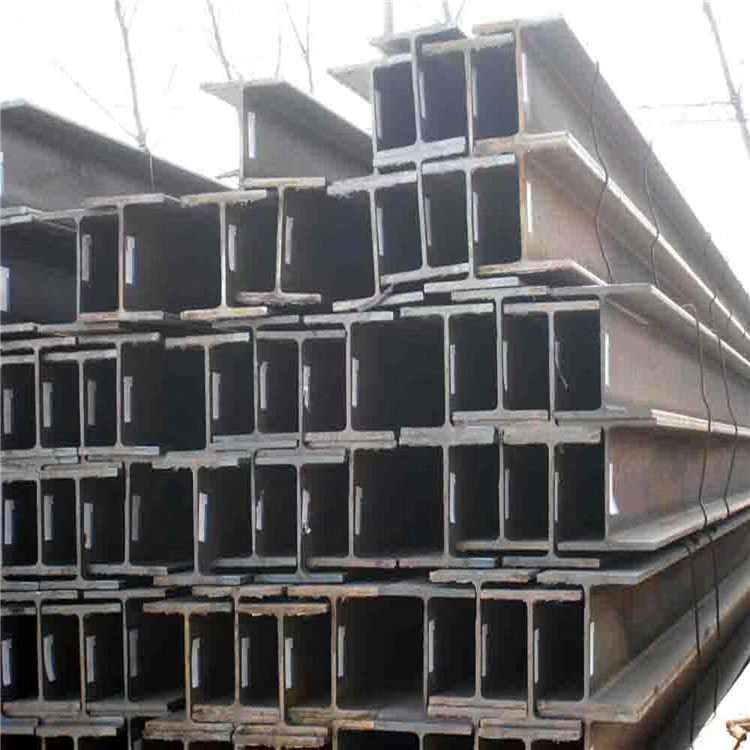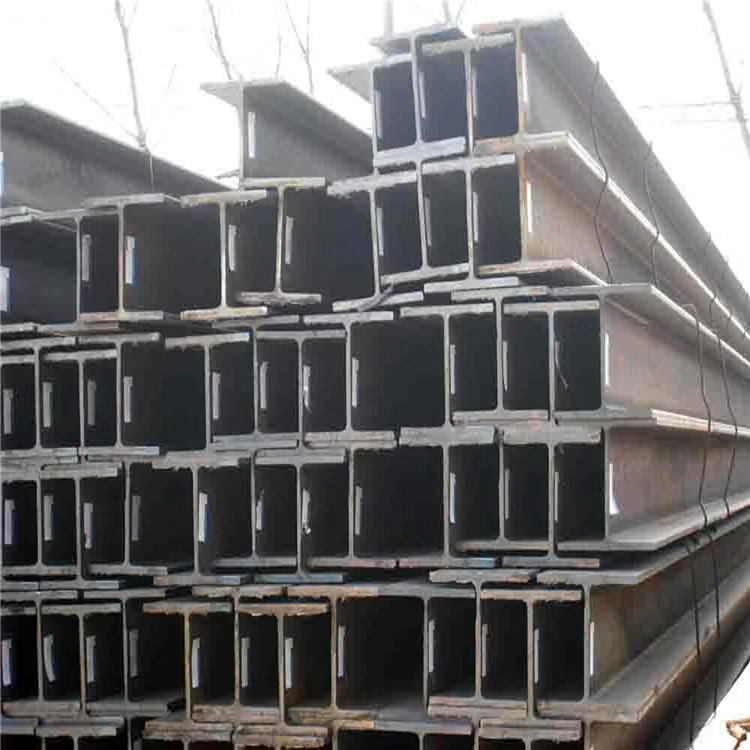

National standard hot-rolled H-beam 150-500 specifications complete steel beams and columns for building structures
Category:
metallurgy/Profile/H-shaped steel
Model:
150*75/200*100/250*125/300*150/350*175/400*200/450*200/500*200
Brand:
Hongye Metal
execution standard:
GB/T 11263-2017
Common materials:
Q235B/Q355B
Specification range:
150*75-500*200mm
Length measurement:
6m/9m/12m
Cross-section type:
HW/HM/HN
Delivery status:
hot rolling
Weight measurement method:
Mechanics/Weighing
application field:
Steel structure factory/high-rise building
Retail Price
10,000,000.00USD
重量
kg
- Product Description
-
execution standard GB/T 11263-2017
Common materials Q235B/Q355B
Specification range 150*75-500*200mm
Length measurement 6m/9m/12m
Cross-section type HW/HM/HN
Delivery status hot rolling
Weight measurement method Mechanics/Weighing
application field Steel structure factory/high-rise building
Description :
H-beam is an economical and efficient profile with a more optimized cross-sectional area distribution and a more reasonable strength to weight ratio, named after its cross-section that is the same as the English letter "H". This product mainly solves the problem of poor lateral stability and weak torsional performance of traditional I-beams when bent in two main planes. It is widely used in typical working conditions such as industrial plants, high-rise buildings, bridge engineering, and large mechanical equipment supports. As the core material of modern steel structure buildings, H-beam can significantly reduce the self weight of the structure and improve construction efficiency. It is an ideal choice to replace welded composite beams and is suitable for various civil engineering projects that bear large loads and have high requirements for structural stability.
This series of H-beams strictly follows the national standard GB/T 11263-2017 "Hot rolled H-beams and sectional T-beams", and the material is usually Q235B or Q355B, with good welding performance and plastic processing performance. The specification range covers a web height of 150mm to 500mm and a flange width of 75mm to 200mm. Common models include HW (wide flange), HM (medium flange), and HN (narrow flange) series. The surface quality of the product meets the standard requirements and must not have harmful defects such as cracks, folds, scars, etc. The allowable size deviation is controlled within the national standard range. Each batch of products undergoes strict mechanical performance testing to ensure that the yield strength, tensile strength, and elongation meet the design requirements. For some special purpose products, non-destructive testing services can be provided according to customer needs to ensure uniform and dense internal organization.
When selecting, it is necessary to distinguish between HW, HM, and HN products based on specific stress conditions: HW type flanges are wide and thick, mainly used for axial compression members or bi-directional bending columns; HM type is between HW and HN, suitable for frame structures that can be used for both beams and columns; The HN type has narrow flanges and strong bending resistance, and is specifically designed for bending components such as large-span beams. If the project involves strong earthquake zones or super high-rise buildings, it is recommended to prioritize the use of Q355B and above high-strength materials, and pay attention to the influence of flange thickness on welding processes. For non-standard sizes or special section requirements, it is not recommended to directly use conventional H-beams. Custom welded H-beams or other combination sections should be considered to ensure a balance between structural safety and economy.
During the installation of H-beams, attention should be paid to the selection of lifting points to avoid local stress concentration that may cause wing deformation. The connection nodes are usually made using high-strength bolt friction type connections or full penetration welding. Before construction, the contact surface needs to be rust removed to achieve the specified anti slip coefficient. In daily maintenance, exposed steel structures need to undergo regular anti-corrosion coating inspections, especially in humid and corrosive gas environments. The integrity of the fireproof coating and anti rust paint layers should be ensured to prevent corrosion from expanding and affecting the section bearing capacity. Common faults are often node weld cracking or bolt loosening. It is necessary to combine regular structural health monitoring data to timely detect and deal with potential safety hazards and extend the service life of building structures.
AfterSalesService :
Key words: