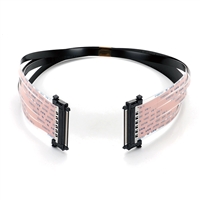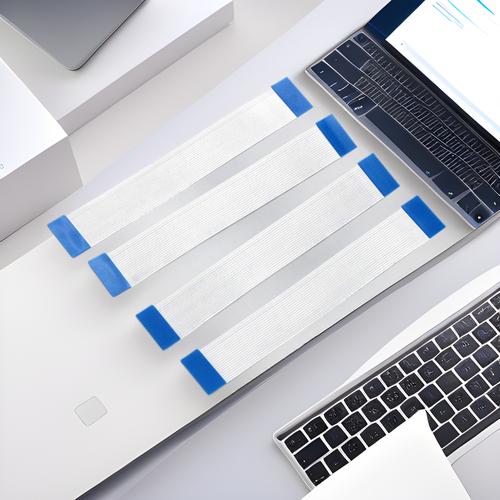

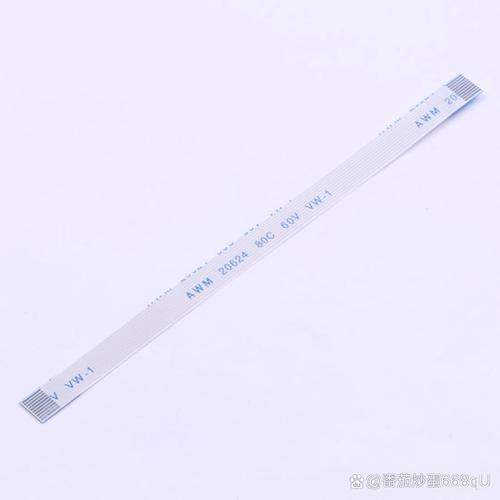
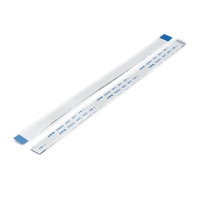
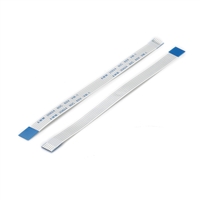
FFC flexible flat wire with high flexibility and bending resistance is suitable for LCD display printers and automotive electronic connections
Category:
electron/connector/FFC/FPC
Model:
E489701
Brand:
Enjia Electronics
Conductor material:
tinned copper
insulating material:
PET polyester film
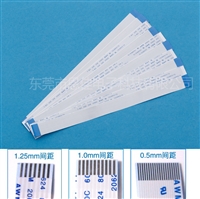
Common spacing:
0.5mm/1.0mm/1.25mm/2.0mm
Operating Temperature:
-40℃~+80℃
rated voltage:
60V AC/DC
Number of bending cycles:
≥ 10000 times
Flame retardant rating:
UL94 V-0
Environmental standards:
RoHS
Retail Price
10,000,000.00USD
重量
kg
- Product Description
-
Conductor material tinned copper
insulating material PET polyester film
Common spacing 0.5mm/1.0mm/1.25mm/2.0mm
Operating Temperature -40℃~+80℃
rated voltage 60V AC/DC
Number of bending cycles ≥ 10000 times
Flame retardant rating UL94 V-0
Environmental standards RoHS
Description :
FFC flexible flat wire is a flat cable structure that uses polyester film as insulation material and clamps multiple strands of extremely fine tinned copper conductors in the middle. It mainly solves the problems of difficulty in laying traditional circular wires in narrow spaces, large volume occupation, and susceptibility to signal transmission interference. The typical operating conditions of this category include high-frequency signal transmission, dynamic bending environment, and interconnection between high-density circuit boards. As a lightweight electronic connection component, FFC flexible flat wire has become the preferred solution for internal connections in modern precision electronic devices due to its ultra-thin thickness and good flexibility, which can effectively reduce the overall weight of the machine and improve assembly efficiency.
The conventional conductor material for FFC flexible flat wire is rolled copper or electrolytic copper, and the surface is treated with tin plating to enhance oxidation resistance and weldability. The insulation layer usually uses PET (polyethylene terephthalate) material, which has excellent electrical insulation performance and heat resistance. Common spacing specifications include 0.5mm, 1.0mm, 1.25mm, 2.0mm, etc. The number of cores ranges from 4Pin to 60Pin, and the length and terminal reinforcement board can be customized according to customer needs. In terms of implementing standards, the product must comply with the RoHS environmental directive and UL certification requirements to ensure stable operation at ambient temperatures ranging from -40 ℃ to+80 ℃, with a bending resistance of usually over 10000 times, ensuring long-term reliability.
When selecting FFC flexible flat wires, key parameters such as pin spacing, number of cores, wire length, and bending direction should be carefully considered. Suitable for static or low-frequency dynamic connection scenarios such as televisions, LCD displays, POS machines, printers, etc; For high vibration environments such as car airbags and onboard LCDs, models with reinforcement plates and strict seismic testing should be selected. Compared with FPC (flexible circuit board), FFC flexible flat wire has lower cost and shorter processing cycle, making it suitable for large-scale standardized connections; FPC is more suitable for complex circuit routing and high integration design. When purchasing, it is necessary to clarify the interface type to avoid installation failure caused by mismatched mother terminals.
When installing FFC flexible flat wire, attention should be paid to maintaining the integrity of the connector lock buckle. When inserting, it should be aligned with the direction to avoid forcibly pulling and causing conductor breakage or insulation layer damage. In daily maintenance, it is necessary to check whether there is oxidation or looseness at the connection, especially when used in high temperature and high humidity environments, and regularly confirm the stability of signal transmission. Common faults include poor contact, wire breakage, etc., which are often caused by improper installation or excessive bending. It is recommended to reserve sufficient bending radius during the design phase, generally not less than 10 times the thickness of the wire, to extend the service life of FFC flexible flat wire and ensure long-term stable operation of electronic devices.
AfterSalesService :
7*24小时在线服务Key words: