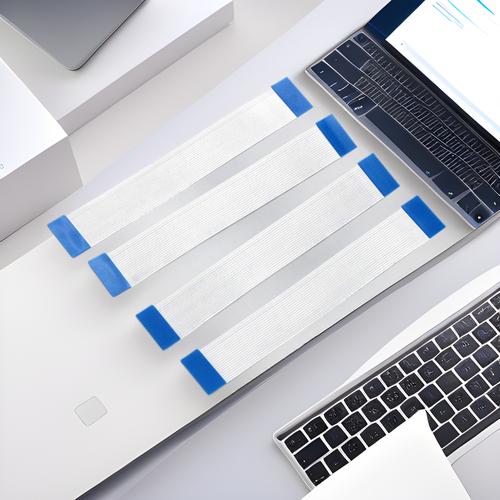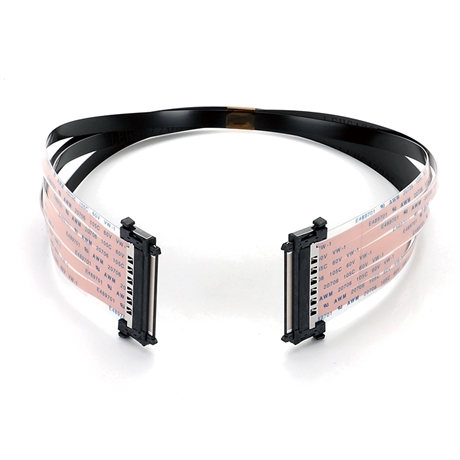

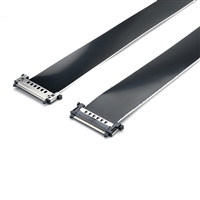
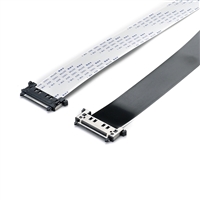
FFC flexible flat wire electronic equipment internal connection cable with multiple specifications to choose from
Category:
electron/connector/FFC/FPC
Model:
E489701
Brand:
Enjia Electronics
Conductor material:
Bare copper gold plating
insulating material:
Composite integrated material
Common spacing:
0.5mm/1.0mm/1.25mm/2.0mm
rated voltage:
30V/60V
Operating Temperature:
-40℃~105℃
combustion rating:
UL94 V-0
Core count range:
4-200Pin
application field:
Consumer Electronics/Automotive Electronics/Office Equipment
Retail Price
10,000,000.00USD
重量
kg
- Product Description
-
Conductor material Bare copper gold plating
insulating material Composite integrated material
Common spacing 0.5mm/1.0mm/1.25mm/2.0mm
rated voltage 30V/60V
Operating Temperature -40℃~105℃
combustion rating UL94 V-0
Core count range 4-200Pin
application field Consumer Electronics/Automotive Electronics/Office Equipment
Description :
FFC flexible flat wire is a flat cable made by using polyester film as the insulation substrate, bonding rolled copper foil or etched copper foil in the middle, and pressing it together through automated equipment. It mainly solves the problem of signal transmission and power connection in the narrow space inside electronic products, replacing traditional circular wire harnesses and significantly reducing product volume and weight. Typical operating conditions include the interconnection of internal circuit boards of devices such as televisions, LCD displays, printers, etc. It is suitable for scenarios that require high flexibility, high-frequency bending, and high-density wiring, and is an indispensable basic connecting component in modern consumer electronics and automotive electronics.
The core specifications of FFC flexible flat wire include conductor pitch, number of cores, length, thickness, and type of reinforcement plate. Common conductor spacing includes 0.5mm, 1.0mm, 1.25mm, 1.5mm, 2.0mm, 2.54mm, etc. The number of cores ranges from 4Pin to 60Pin and can be customized according to requirements. The insulation layer is usually made of PET material, with a temperature resistance range of -40 ℃ to 80 ℃ or 105 ℃, and a rated voltage of 30V or 60V. The implementation standard refers to industry specifications such as IPC/WHMA-A-620, and some automotive grade products need to comply with AEC-Q200 requirements. The conductor material is mostly rolled copper to ensure good bending performance and conductivity. Steel sheets can be added to both ends according to the type of connector or without reinforcement.
When selecting, it is necessary to clarify the requirements of the application scenario for bending frequency, impedance control, and environmental tolerance. For dynamic applications with frequent bending, such as folding screen equipment or mobile component connections, priority should be given to selecting rolled copper conductors and confirming the minimum bending radius; Static connections can use etched copper to reduce costs. Attention should be paid to distinguishing between FFC and FPC (flexible circuit board). The former is only for wire connection, while the latter can integrate electronic components. If used for critical safety components such as car airbags, high reliability products certified by vehicle regulations must be selected, and the quality of tin plating on the ends and the integrity of the insulation layer must be strictly inspected to avoid the risk of virtual soldering or short circuits.
When installing FFC flexible flat wires, excessive pulling or sharp bending should be avoided to prevent conductor breakage or insulation layer damage. When inserting the ZIF (zero insertion force) connector, ensure that the latch is fully closed and check the pin alignment to prevent circuit burnout caused by reverse insertion. In daily maintenance, it is important to check whether the connections are oxidized or loose, especially in high temperature and high humidity environments, and regularly monitor changes in contact resistance. Common faults include signal interruption and increased crosstalk, which are often caused by conductor fatigue fracture or end contamination. If abnormalities are found, they should be replaced in a timely manner, and live plugging and unplugging are strictly prohibited to ensure the long-term stable operation of electronic devices.
AfterSalesService :
7*24小时在线服务Key words: