
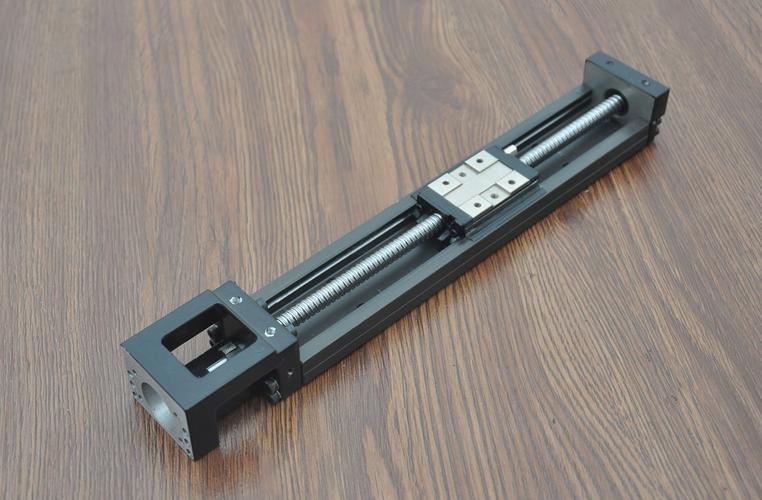
KK module linear sliding table high-precision aluminum alloy linear module automation equipment dedicated
Category:
electron/LED series products/LED module
Model:
HKK6005C-600-A1F1CS2
Brand:
Ximin
Main material:
aluminum alloy
Transmission method:
Ball screw/synchronous belt
Guideway type :
linear guide
Repetitive positioning accuracy:
±0.02mm
maximum stroke:
Customization (commonly 100-1000mm)
surface treatment:
anodizing
Applicable motors:
Stepper/servo motor
Operating Temperature:
-10℃~50℃
Retail Price
10,000,000.00USD
重量
kg
- Product Description
-
Main material aluminum alloy
Transmission method Ball screw/synchronous belt
Guideway type linear guide
Repetitive positioning accuracy ±0.02mm
maximum stroke Customization (commonly 100-1000mm)
surface treatment anodizing
Applicable motors Stepper/servo motor
Operating Temperature -10℃~50℃
Description :
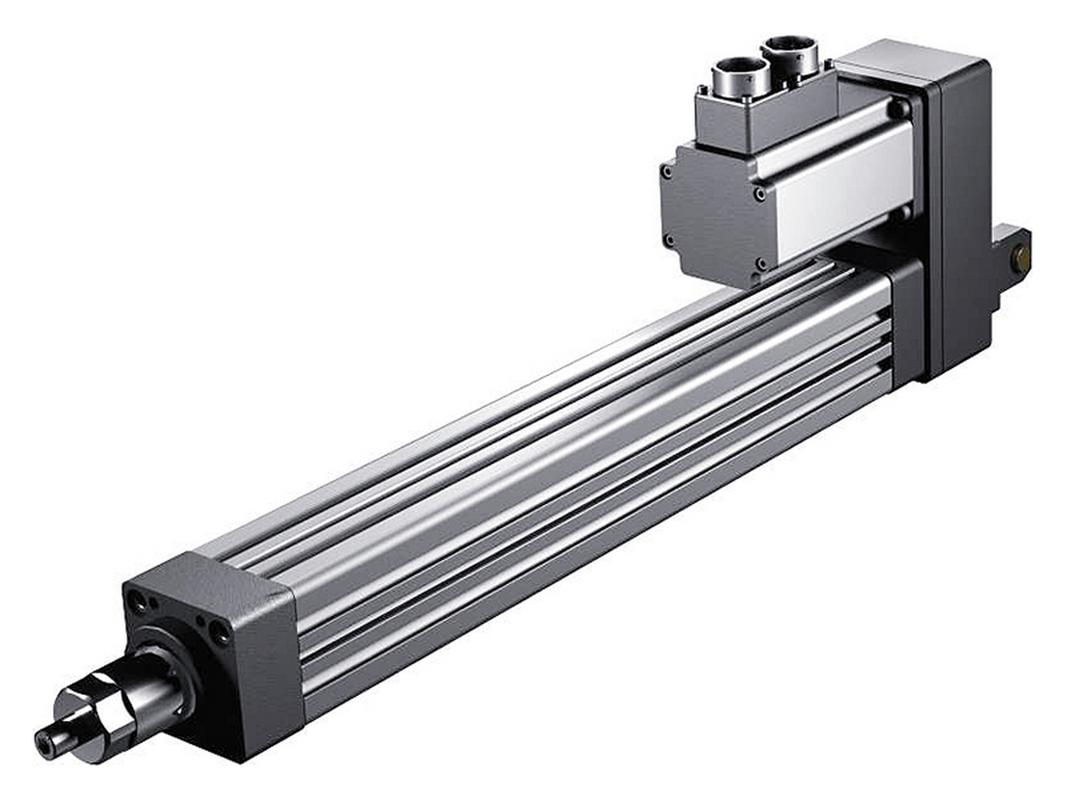
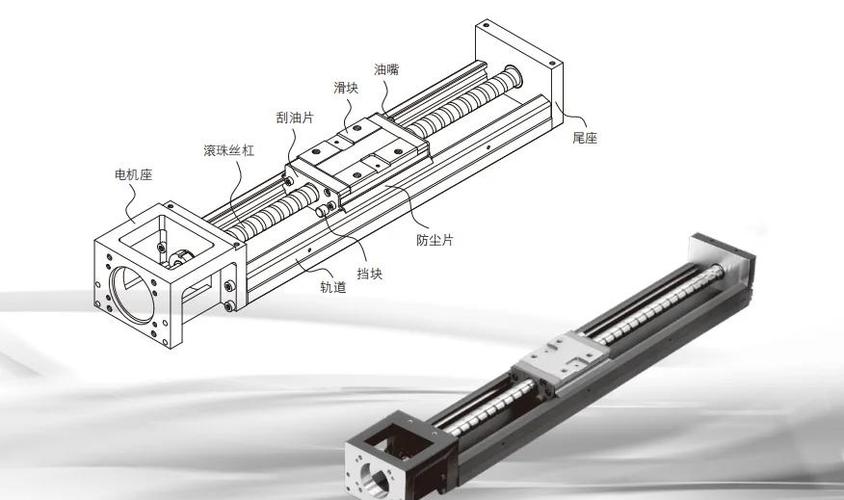
KK module is a high-precision linear motion unit constructed based on aluminum alloy profiles, mainly solving the problems of multi axis linkage, precise positioning, and compact spatial layout in automation equipment. It integrates linear guides, ball screws, or synchronous belt transmission mechanisms, and has the characteristics of high structural rigidity, smooth operation, and low noise. Typical working conditions include dispensing machines, screw locking machines, handling robots, testing equipment, and other scenarios that require high precision in repeated positioning. As a standardized linear module product, KK module can significantly shorten the equipment development cycle, reduce assembly difficulty, and is an indispensable core transmission component in modern industrial automation production lines.
The main body of KK module is usually extruded from high-strength aluminum alloy profiles, which have undergone anodizing treatment and have good corrosion resistance and wear resistance. The internal transmission methods are mainly divided into two types: ball screw drive and synchronous belt drive. The screw type is suitable for high thrust and high-precision applications, while the synchronous belt type is suitable for long stroke and high-speed operation applications. Square or circular linear guides are often used for the guide rail section to ensure straightness and parallelism under load. In terms of implementing standards, it is customary to follow JB/T industry standards or enterprise internal control standards, with critical dimensional tolerances controlled at the micrometer level. Common certifications include CE, RoHS, etc., which are suitable for various export equipment and environmental requirements. The overall structural design is compact, with standardized installation interfaces, making it easy to combine with other modules to form XYZ three-axis platforms or multi axis robotic arms.
When selecting KK modules, it is important to consider four core indicators: stroke length, load capacity, repeat positioning accuracy, and operating speed. If the application scenario requires vertical installation or bearing significant lateral forces, heavy-duty KK modules with ball screw transmission should be prioritized; If pursuing high-speed reciprocating motion and light load, synchronous belt KK module is more suitable. Attention should be paid to distinguishing the differences between KK modules and ordinary single axis robots. KK modules emphasize modularity and interchangeability, making them suitable for rapid construction. Not applicable scenarios include ultra clean rooms (requiring special dust-proof treatment), highly corrosive environments (requiring stainless steel material), and ultra-high temperature environments. When purchasing, it is necessary to confirm whether the specifications of the motor mounting base (such as NEMA 17/23/34) match the existing driver, as well as the configuration of the limit switch.
The installation of KK module requires ensuring the flatness and parallelism of the base. It is recommended to use a feeler gauge to check the installation surface to avoid the slider getting stuck or the service life being shortened due to the distortion of the base. Daily maintenance mainly includes regularly cleaning the dust and oil stains on the surface of the guide rail, and replenishing lithium based grease every 3-6 months according to the frequency of use. For screw drive type, it is necessary to regularly check the pre tightening force of the screw nut to prevent the increase of reverse clearance from affecting accuracy. Common faults such as abnormal noise are mostly caused by insufficient lubrication or damage to the guide rail, while large positioning deviations may be caused by loose couplings or drift of the origin sensor. The reasonable usage cycle depends on the load rate and maintenance status. Under normal working conditions, it can maintain tens of thousands of hours of fault free operation. It is recommended to establish a regular inspection system to extend the service life.
AfterSalesService :
Key words:
More Products