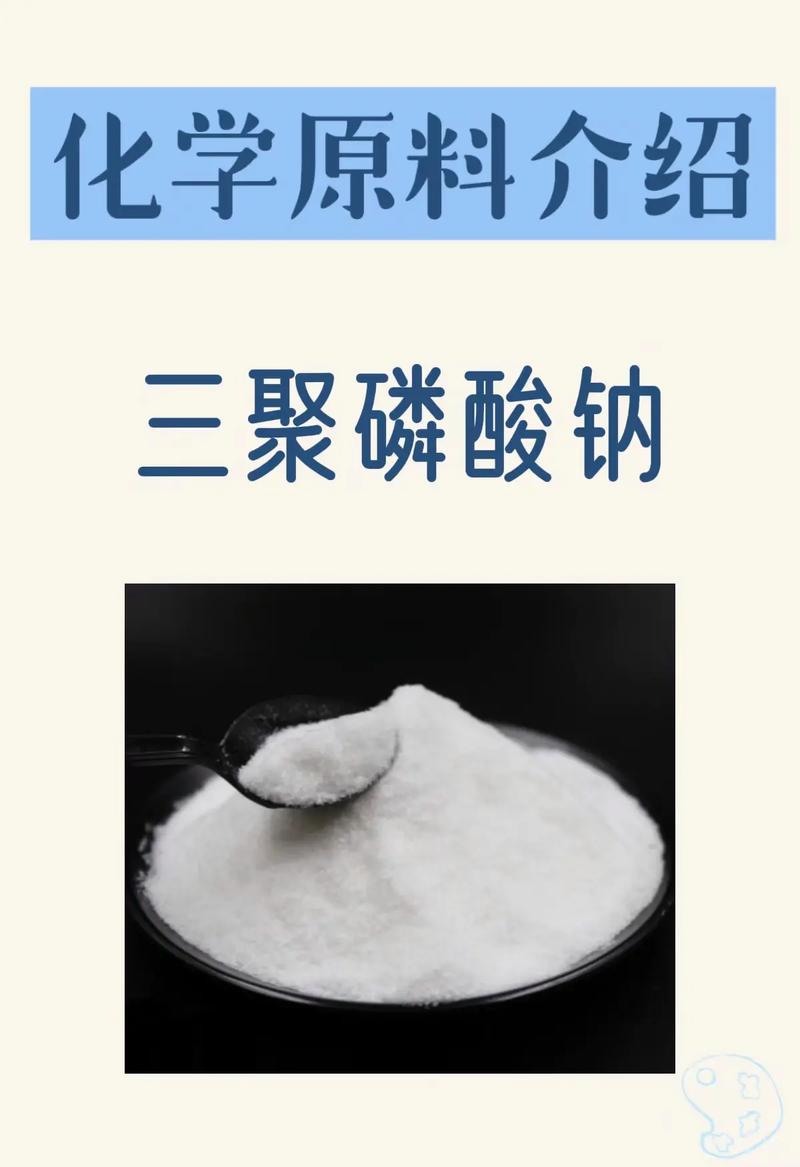

Food grade sodium tripolyphosphate high-purity moisture retention agent suitable for meat processing
Category:
chemical industry/inorganic salt/Phosphorus compounds and phosphates
Model:
food-grade
Brand:
Dingxin Biotechnology
Phosphorus pentoxide content:
≥55.0%
water-insoluble substance:
≤0.10%
PH value (1% solution):
9.0-10.0
Arsenic (As) content:
≤3mg/kg
Lead (Pb) content:
≤4mg/kg
Fluoride (F):
≤10mg/kg
Orthophosphate content:
≤2.5%
execution standard:
GB 1886.4-2015
Retail Price
10,000,000.00USD
重量
kg
- Product Description
-
Phosphorus pentoxide content ≥55.0%
water-insoluble substance ≤0.10%
PH value (1% solution) 9.0-10.0
Arsenic (As) content ≤3mg/kg
Lead (Pb) content ≤4mg/kg
Fluoride (F) ≤10mg/kg
Orthophosphate content ≤2.5%
execution standard GB 1886.4-2015
Description :
Sodium tripolyphosphate is an important inorganic salt food additive, mainly used as a water retention agent, quality improver, and pH regulator. It can effectively improve the water holding capacity of meat products, enhance their taste and tenderness, while preventing discoloration and spoilage during processing and storage. In the field of food processing, sodium tripolyphosphate is widely used in the production of ham, sausages, frozen shrimp and other products, and is a key auxiliary material to ensure the stability of food texture. Its chemical properties are stable and easily soluble in water, which can meet the high efficiency and safety requirements of modern food industrial production for additives.
This food grade sodium tripolyphosphate complies with the strict national standard GB 1886.4-2015 "National Food Safety Standard for Food Additives - Sodium Tripolyphosphate". The appearance of the product is white powder or granules, odorless and tasteless, and highly hygroscopic. Its main physical and chemical indicators include: the content of pentoxide is usually above 55.0%, the content of orthophosphate is controlled at a low level to ensure purity, the content of water-insoluble substances is extremely low to ensure that the dissolved solution is clear and transparent. The content of heavy metal impurities such as arsenic and lead is strictly limited within the food safety standards to ensure the safety of human intake. During the production process, multiple purification processes are carried out to ensure the high purity and low impurity characteristics of the product, in compliance with the relevant regulatory requirements of the Codex Alimentarius Commission (CAC).
When selecting and applying, it is necessary to clearly distinguish between food grade and industrial grade sodium tripolyphosphate, and it is strictly prohibited to use industrial grade products for food processing. Food grade sodium tripolyphosphate is suitable for various scenarios such as meat pickling, seafood preservation, dairy product stabilization, and beverage clarification. Compared with sodium hexametaphosphate or sodium pyrophosphate, sodium tripolyphosphate shows a more balanced performance in improving protein solubility and emulsifying properties, and is often used in combination with other phosphates to achieve optimal results. For aquatic products that require long-term freezing preservation, adding an appropriate amount of sodium tripolyphosphate can significantly reduce the loss of juice after thawing and maintain the original flavor of the ingredients. When purchasing, attention should be paid to the dissolution rate of the product and the pH value of the solution to ensure compatibility with the production process.
It is recommended to dissolve sodium tripolyphosphate in water to make a solution during use, and then evenly add it to the raw materials to ensure uniform dispersion. When storing, it should be placed in a cool, dry, and well ventilated warehouse to avoid moisture and clumping. If the packaging is damaged, it should be sealed in a timely manner. Although sodium tripolyphosphate is safe to use within legal limits, excessive addition may cause abnormal food taste or affect the absorption of minerals such as calcium and iron by the human body. Therefore, it must be strictly added according to the maximum usage amount specified in GB 2760 "National Food Safety Standard for the Use of Food Additives". In daily production, the residual amount of phosphate in finished products should be regularly tested to ensure compliant production. At the same time, attention should be paid to the protection of operators to avoid dust inhalation.
AfterSalesService :
Key words:
More Products