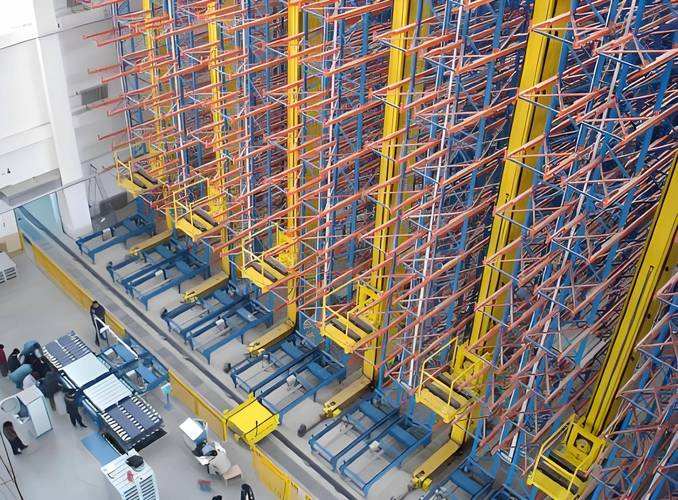

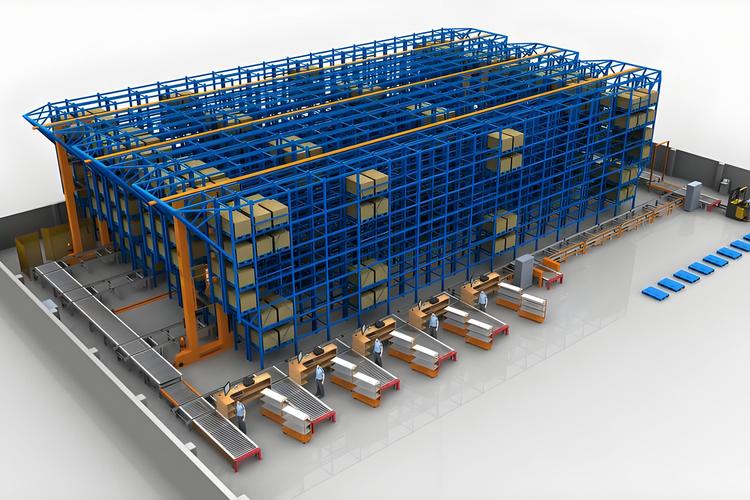
Automated three-dimensional warehouse system intelligent storage shelf solution
Category:
Transportation/Warehousing equipment/Storage shelves
Model:
Customizable
Brand:
Grainger
Control method:
PLC+WMS/WCS
Retail Price
10,000,000.00USD
重量
kg
- Product Description
-
Control method PLC+WMS/WCS
Description :
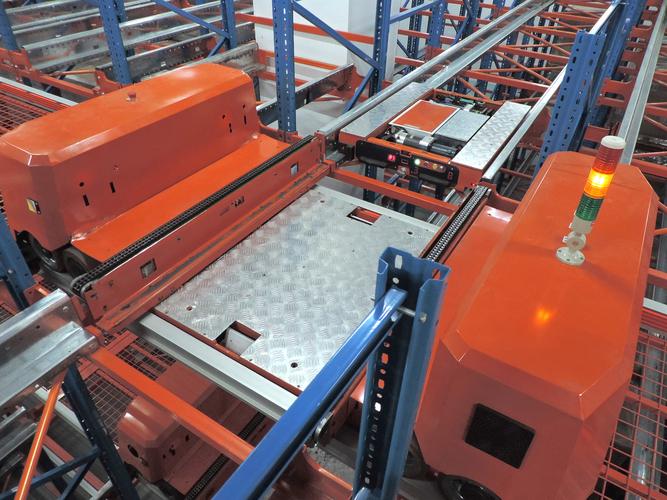
Automated three-dimensional warehouse is a storage system that uses high-rise shelves to store goods and conducts access operations through automated equipment such as aisle stacking cranes. It mainly solves the problems of low space utilization, high labor costs, low operational efficiency, and lagging data management in traditional warehouses. Typical working conditions are suitable for modern logistics centers, manufacturing raw material warehouses, and finished product warehouses that have limited floor space but high storage requirements, high frequency of inbound and outbound operations, and strict accuracy requirements. This system achieves automatic identification, positioning, and scheduling of goods through a computer control system, ensuring the efficiency and accuracy of warehousing operations. It is one of the core infrastructures of modern intelligent manufacturing and smart logistics.
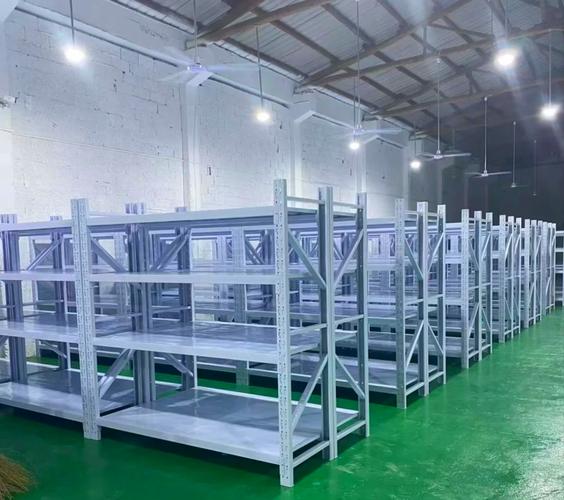
The core specifications of an automated three-dimensional warehouse include shelf structure, stacker performance, and control software system. Shelves are usually made of high-quality cold-rolled or hot-rolled steel, with a height ranging from several meters to tens of meters, depending on the factory structure and storage requirements, and must comply with relevant steel structure design standards such as GB/T 39682. The operating speed of the stacker crane can usually reach 100-200m/min in the horizontal direction and 50-100m/min in the vertical direction, with positioning accuracy controlled within ± 5mm. The control system supports seamless integration between WMS (Warehouse Management System) and WCS (Warehouse Control System), with functions such as barcode scanning and RFID recognition to ensure real-time data synchronization. International renowned brands are often used for electrical components to ensure the stability and safety of the system under 7x24 hour continuous operation.
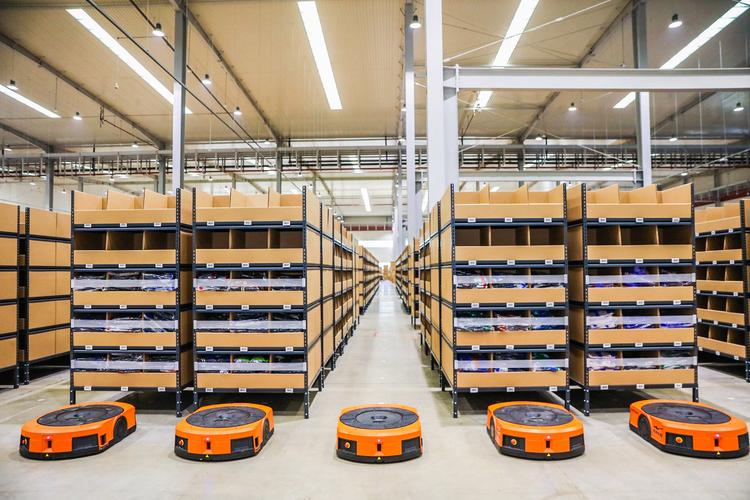
When selecting an automated three-dimensional warehouse, it is important to consider the characteristics of the goods, throughput, and site conditions. Applicable scenarios include e-commerce distribution centers, automotive manufacturing parts warehouses, pharmaceutical cold chain warehousing, etc., especially suitable for situations where there are a wide variety of SKUs but large quantities of single varieties. If the shape of the goods is extremely irregular, overweight, oversized, or highly corrosive, special carriers or anti-corrosion treatments need to be customized, otherwise the standard solution is not applicable. Compared with multi-layer shuttle systems, automated three-dimensional warehouses are more suitable for high-density storage; Compared with AGV flat storage, it has more advantages in vertical space utilization. When purchasing, it is necessary to clarify the daily average number of pallets in and out of the warehouse, peak processing capacity, and future expansion needs to avoid system bottlenecks or resource waste.
The installation of automated three-dimensional warehouses must strictly follow the basic embedded part drawings to ensure that the ground flatness and bearing capacity meet the equipment operation requirements. Daily maintenance should regularly check the wear of the stacker crane chain and wire rope, clean up track debris, and lubricate and maintain moving parts such as motors and reducers. It is recommended to conduct a comprehensive calibration every quarter to check the sensitivity of sensors and the stability of control signal transmission. Common faults such as communication interruption and positioning deviation can be resolved by restarting the control system or reinitializing the position parameters. Operators need to undergo professional training, familiarize themselves with the position of emergency stop buttons and manual operation modes, in order to respond quickly in case of emergencies, ensure the safety of personnel and equipment, and extend the service life of automated three-dimensional warehouses.
AfterSalesService :
Key words:
More Products