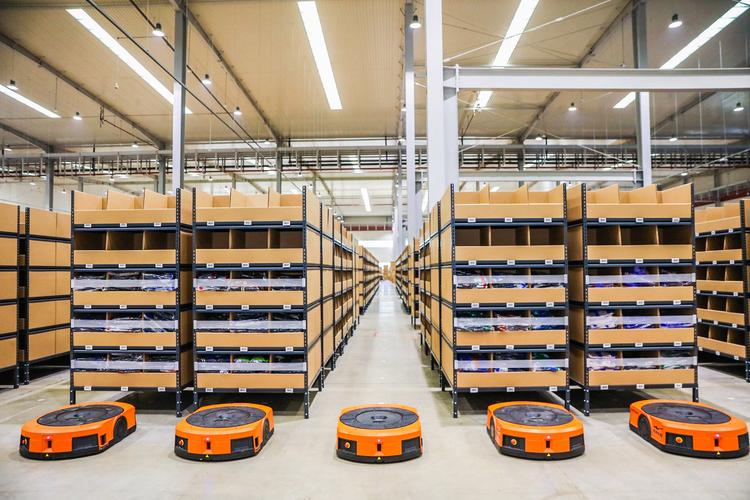

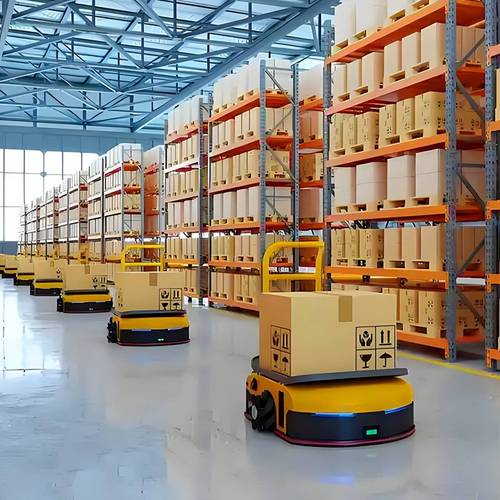
Automated warehousing AGV intelligent handling rack flexible production line supporting heavy-duty pallet rack
Category:
Transportation/Warehousing equipment/Storage shelves
Model:
Customizable
Brand:
Grainger
Applicable Devices:
AGV/AMR robot
structural type:
Beam type/tray type
Retail Price
10,000,000.00USD
重量
kg
- Product Description
-
Applicable Devices AGV/AMR robot
structural type Beam type/tray type
Description :
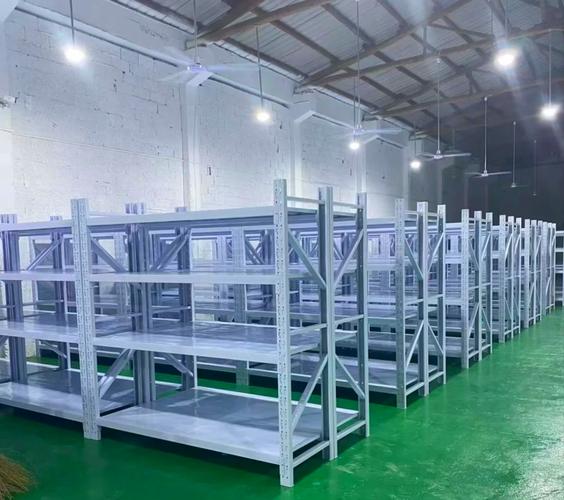
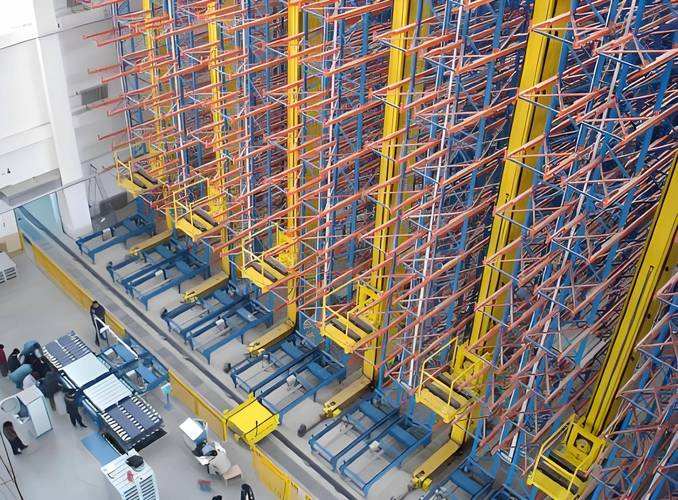
AGV shelving is an intelligent storage equipment designed specifically for Automated Guided Vehicles (AGVs) and Autonomous Mobile Robots (AMRs). It mainly solves the problems of low efficiency, complex path planning, and safety hazards of traditional manual forklift operations. This category is suitable for high standard automated three-dimensional warehouses, flexible manufacturing production line end buffer zones, and e-commerce logistics sorting centers. By optimizing the bottom structure and positioning accuracy, the AGV car can accurately fork and place goods, achieving 24-hour unmanned handling operations, significantly improving the utilization and turnover efficiency of storage space, and is an indispensable basic hardware facility in modern smart logistics systems.
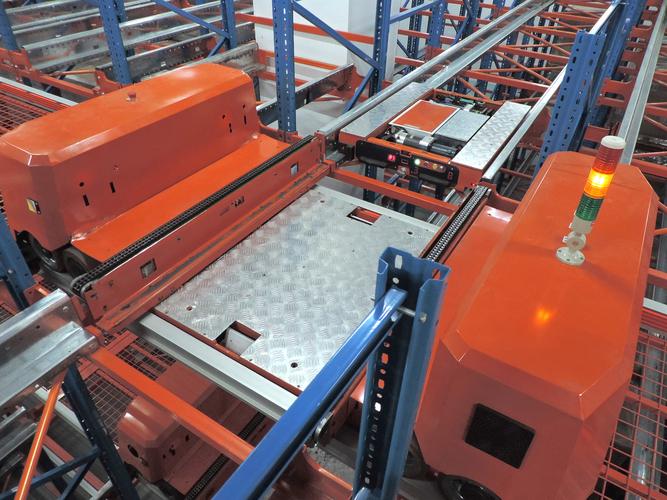
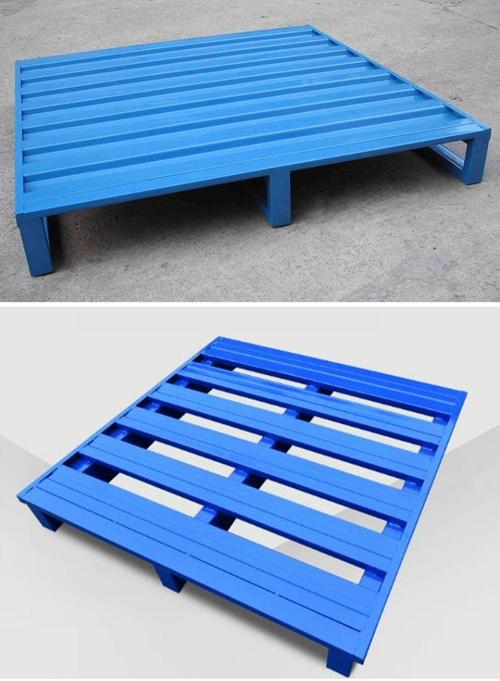
In terms of specifications and processes, AGV shelves are usually made of high-quality cold-rolled steel plates or high-strength Q235B steel, and the surface is treated with electrostatic spraying, which has good anti-corrosion and wear-resistant properties. The structural design emphasizes the flatness and strength of the bottom beam, and generally requires the ground flatness error to be controlled within a very small range (such as ± 3mm/2m) to match the accuracy of the AGV navigation system. Common structural forms include beam type, tray type, and multi-layer shuttle car supporting frame, which must comply with GB/T 33454-2016 "Design and Calculation of Industrial Shelves" and related automation equipment interface specifications in accordance with the standards. Some high-end models also integrate RFID identification tag slots or visual positioning reflector mounting positions to meet the technical requirements of different navigation methods (laser, visual, magnetic stripe).
When selecting, it is important to consider the specific parameters of the AGV model, including fork tooth spacing, lifting height, rated load capacity, and turning radius. If using a hidden top up AGV, it is necessary to confirm whether the ground clearance at the bottom of the shelf meets the requirements for robot entry; If using a fork type AGV, it is necessary to strictly verify the matching degree between the tray depth and the cargo space width. Compared with traditional heavy-duty shelves, AGV shelves have stricter control over the verticality of columns and the deflection of beams, and are not recommended for use in areas with severe vibration or significant ground subsidence. For non-standard pallets or irregular goods, it is necessary to customize and develop specialized fixtures or adjust the size of the cargo location to avoid storage and retrieval failures or equipment collision accidents caused by positioning deviations.
Before installation, the storage floor must be hardened and leveled. It is recommended to use diamond sand wear-resistant flooring or epoxy flooring, and reserve sufficient charging areas and maintenance channels. In daily maintenance, it is necessary to regularly check whether the shelf columns have been deformed due to minor collisions with AGVs, and replace damaged safety corner guards or crash barriers in a timely manner. At the same time, it is necessary to keep the bottom area of the shelf clean and free of scattered debris that hinders the AGV's operation path. It is recommended to conduct a total station calibration test every six months to ensure the consistency of data between the cargo coordinate system and the AGV scheduling system, prevent inventory positioning errors caused by long-term accumulated errors, and ensure the stable operation of the automation process.
AfterSalesService :
Key words:
More Products