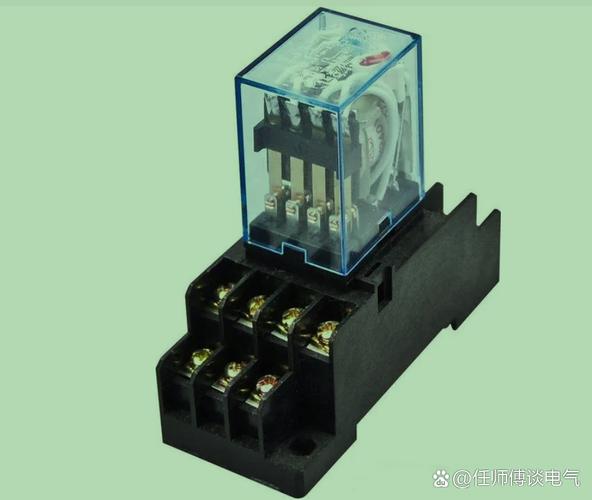

Schneider RXM2LB2BD small intermediate relay 24V DC coil industrial control universal type
Category:
Electrical Engineering/Low voltage electrical appliances/relay
Model:
RXM2LB2BD
Brand:
Schneider
Rated voltage of coil:
24V DC
contact form :
2 sets of conversion contacts (2CO)
Rated Current:
10A (resistive load)
mechanical life:
≥ 20 million times
electrical life:
≥ 100000 times (rated load)
Installation Method:
Plug in (with 8-foot base)
Working temperature range:
-40℃ ~ +70℃
Protection rating:
IP20 (after base fitting)
certification standard:
CE, UL, CSA, CCC
Retail Price
10,000,000.00USD
重量
kg
- Product Description
-
Rated voltage of coil 24V DC
contact form 2 sets of conversion contacts (2CO)
Rated Current 10A (resistive load)
mechanical life ≥ 20 million times
electrical life ≥ 100000 times (rated load)
Installation Method Plug in (with 8-foot base)
Working temperature range -40℃ ~ +70℃
Protection rating IP20 (after base fitting)
certification standard CE, UL, CSA, CCC
Description :
Schneider RXM2LB2BD small intermediate relay is an electromagnetic switch component designed specifically for industrial automation control systems, mainly used for signal amplification, circuit isolation, and multi-channel control logic conversion. This model belongs to the Schneider Harmony RXM series, and its core function is to control high current loads through low current, solving the problem of insufficient driving ability of PLC output points or electrical isolation between circuits of different voltage levels. Typical operating conditions include CNC machine tools, distribution cabinets, automated production lines, and building automation systems. Its compact structural design saves installation space and is suitable for continuous operation environments with high reliability requirements, ensuring stable transmission of control signals and accurate action of actuators.
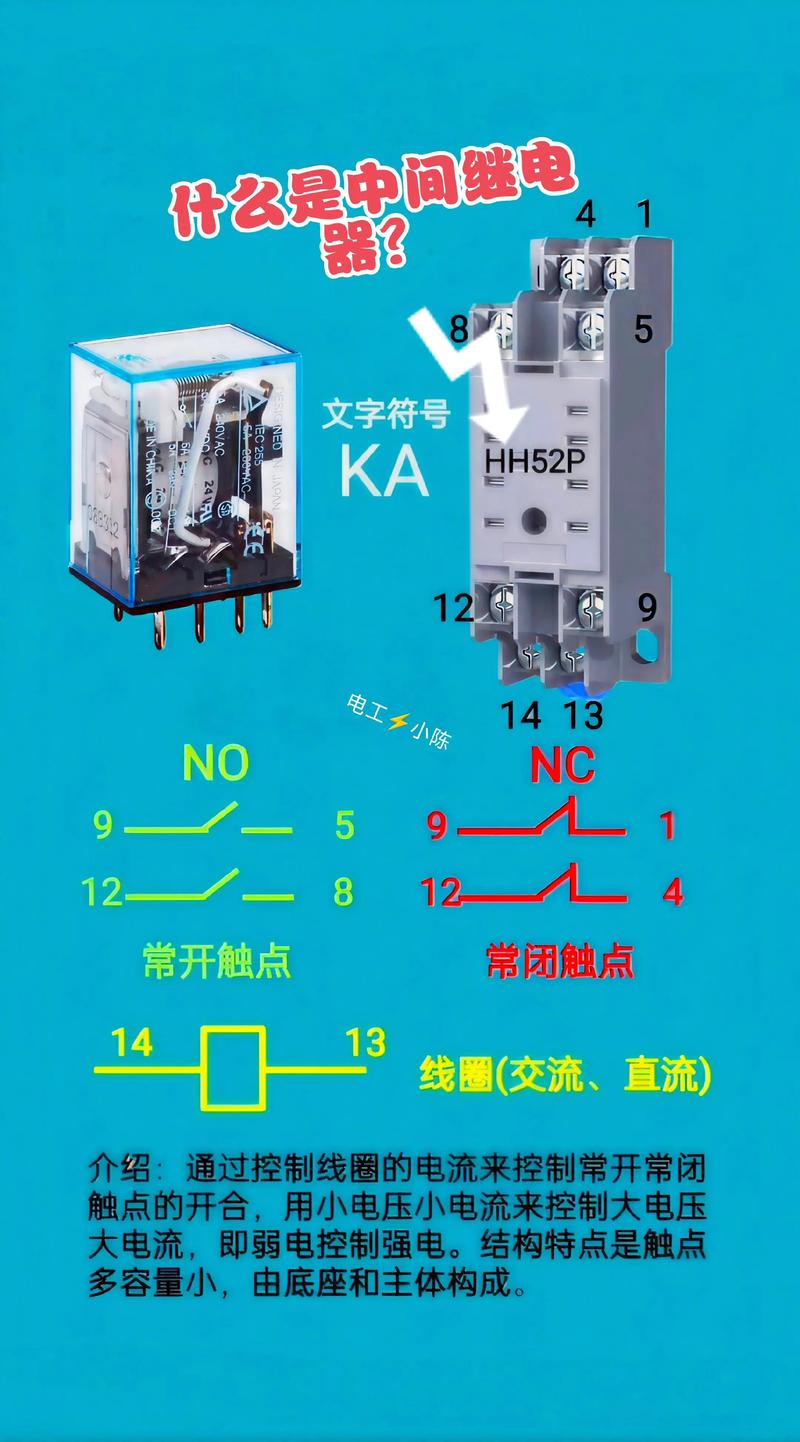
The Schneider RXM2LB2BD small intermediate relay adopts a standard modular design, with a rated coil voltage of 24V DC and 2 sets of conversion contacts (2CO/DPDT). The rated load of each contact can reach 10A (resistive load). The shell is made of high-strength flame-retardant PC material, which meets the UL94 V0 fire rating. The internal contacts are usually made of silver nickel alloy or silver cadmium oxide material, ensuring low contact resistance and high resistance to welding. The product complies with international standards such as IEC 61810-1 and GB/T 21711.1, and has passed multiple international certifications such as CE, UL, CSA, etc. The mechanical lifespan can reach over 20 million cycles, and the electrical lifespan can also reach over 100000 cycles under rated load. It is suitable for wide temperature working environments ranging from -40 ℃ to+70 ℃ and has good structural strength against vibration.
In the selection and application, Schneider RXM2LB2BD small intermediate relay is particularly suitable for DC 24V control circuits, and attention should be paid to distinguishing the AC coil model (such as RXM2LB2P7) to avoid coil burnout. This model is compact in size and can be directly inserted into a standard 8-pin relay base (such as RXZE2S111M) for easy maintenance and replacement. Compared with large power relays, its advantages lie in fast response speed, small size, and low power consumption; Compared with solid-state relays, their contact physical isolation characteristics are more suitable for complex electromagnetic environments with surge interference. When purchasing, it is necessary to confirm the load type (inductive or resistive). If driving inductive loads (such as contactor coils), it is recommended to install RC absorption circuits at both ends of the contacts to extend their service life.
When installing the Schneider RXM2LB2BD small intermediate relay, ensure that the bottom socket wiring is secure to avoid false connections that may cause heating. In daily maintenance, it is necessary to regularly check whether there are oxidation or burn marks on the contact surface, especially under frequent start stop or heavy load conditions. If abnormal suction noise or incomplete release is found, check whether the coil voltage is stable and whether the iron core is stuck with dirt. Common faults include coil open circuit, contact adhesion or poor contact, which can be quickly judged by measuring the coil resistance and contact on/off status with a multimeter. It is recommended to install protective covers in high dust or corrosive gas environments and regularly clean the surrounding dust to maintain good heat dissipation and stable insulation performance, ensuring continuous and reliable operation.
AfterSalesService :
Key words:
More Products