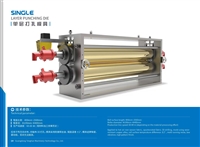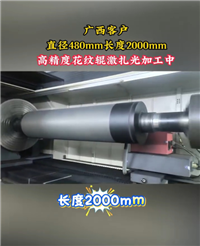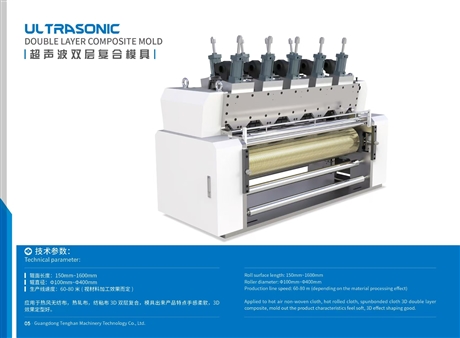

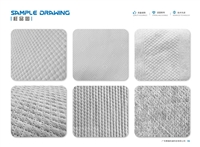
Tenghan Machinery single-layer (double-layer) ultrasonic punching and embossing composite mold (can be customized according to customer needs)
Category:
Paper/Paper processing machinery/Embossing machine
Model:
THJX20260102
Brand:
Guangdong Tenghan Machinery Co., Ltd
Roller surface length:
150mm-1600mm
Roller diameter:
Φ100mm-Φ400mm
production line speed:
60-80 meters per minute
Applicable Materials:
Hot air non-woven fabric/hot-rolled fabric/spunbond fabric
Composite layer number:
Double-layer composite
Forming effect:
3D stereolithography
Product feel:
soft
Drive Type:
Ultrasonic high-frequency vibration
Retail Price
10,000,000.00USD
重量
kg
- Product Description
-
Roller surface length 150mm-1600mm
Roller diameter Φ100mm-Φ400mm
production line speed 60-80 meters per minute
Applicable Materials Hot air non-woven fabric/hot-rolled fabric/spunbond fabric
Composite layer number Double-layer composite
Forming effect 3D stereolithography
Product feel soft
Drive Type Ultrasonic high-frequency vibration
Description :
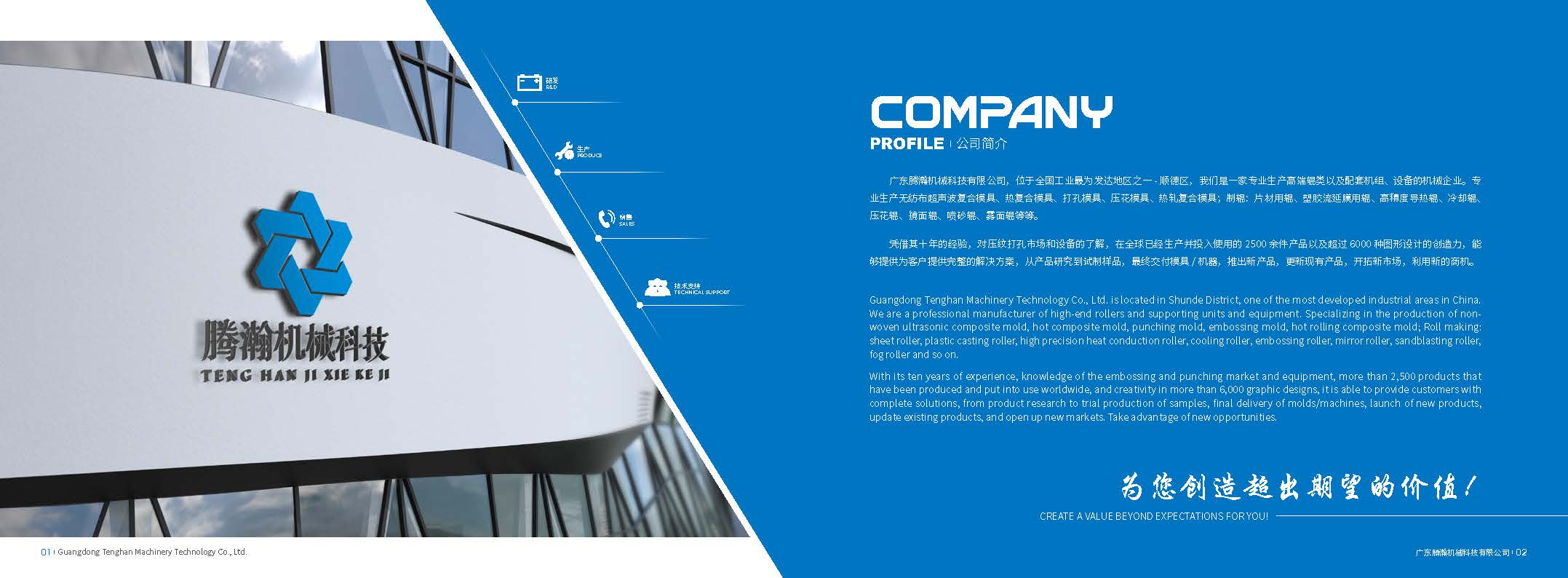
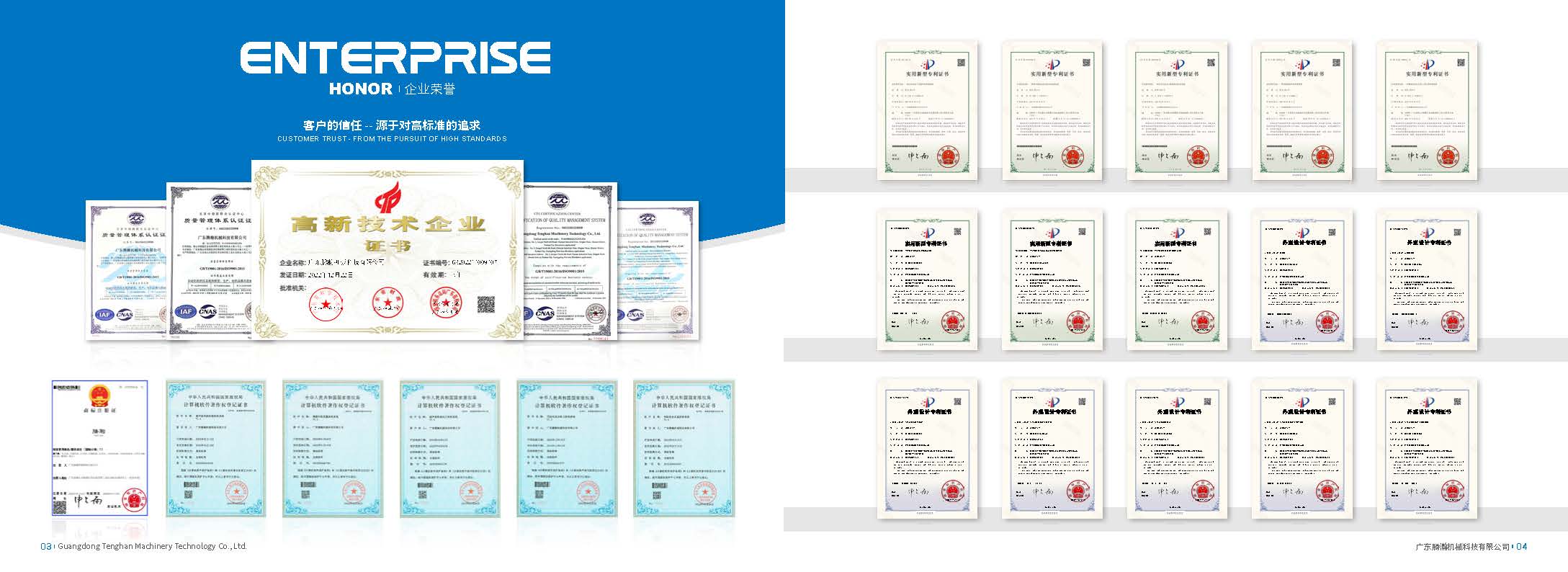 Ultrasonic double-layer composite mold is a core forming component specifically designed for non-woven fabric production lines, mainly solving the problems of double-layer composite and 3D three-dimensional shaping of hot air non-woven fabric, hot-rolled fabric, and spunbond fabric. This mold uses high-frequency ultrasonic vibration energy to instantly fuse and composite two or more layers of non-woven materials, while using the patterned rollers on the surface of the mold for embossing and shaping. Typical working conditions include continuous production of hygiene products (such as diapers, sanitary napkins), medical protective clothing fabrics, and home decoration fabrics, ensuring strong bonding between composite layers and soft hand feel.
The specifications of the ultrasonic double-layer composite mold have high flexibility to meet the production needs of different widths. The roller surface length covers the range of 150mm to 1600mm, and the roller diameter range is from Φ 100mm to Φ 400mm. It can be customized and matched according to the existing production line frame size of the customer. The welding head and bottom roller are usually made of high-strength alloy steel or titanium alloy, and the surface is precision polished and hardened to resist long-term high-frequency friction. The implementation of standards must comply with the safety regulations of industrial ultrasonic equipment, ensuring stable amplitude and no risk of overheating or deformation under high-speed production lines of 60-80 meters per minute.
When selecting ultrasonic double-layer composite molds, it is important to confirm the substrate type and target pattern. If producing hot air non-woven fabric or spunbond fabric, it is necessary to choose a transducer system with the corresponding frequency (usually 20kHz or 35kHz); If pursuing 3D stereoscopic effect, it is necessary to check the carving depth and clarity of the mold pattern roller. Not suitable for metal film composite or extremely thick canvas materials. Compared with ordinary plain weave composite rollers, the advantage of this mold is that it does not require glue bonding, is environmentally friendly and odorless, and the composite fabric has better breathability. The 3D shaping effect is long-lasting, and it is not easy to layer after washing, making it suitable for end products with high skin affinity requirements.
When installing the ultrasonic double-layer composite mold, it is necessary to ensure that the connection surface between the transducer and the mold is clean and the tightening torque meets the standard to avoid energy transmission loss. It is recommended to regularly check the pressure stability of the pneumatic pressurization system for daily maintenance, keep the roller surface clean, and prevent the accumulation of fiber debris from affecting the clarity of the pattern. Common faults such as weak recombination are often caused by low ultrasonic power settings or fast speeds; If there is a broken or damaged fabric, it is necessary to check whether there are burrs or damages on the roller surface. Under normal maintenance, the service life of the mold can reach millions of meters of production capacity. Regular calibration of the amplitude can extend the life of the core components and ensure the efficiency of the production line.
AfterSalesService :
以客户设备稳定运行为核心,提供售前技术咨询、售中安装调试、售后保修维保、终身技术支持全流程服务,快速响应故障,降低客户停机损失。Key words: