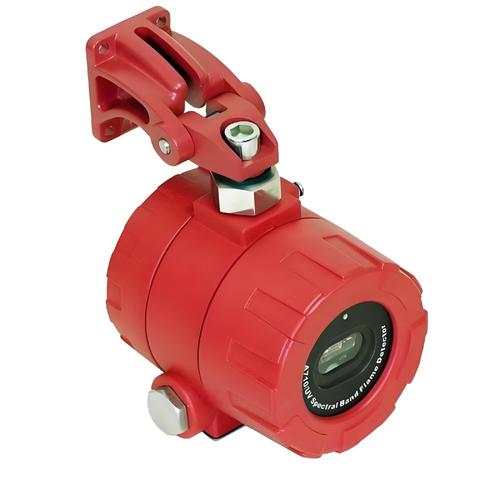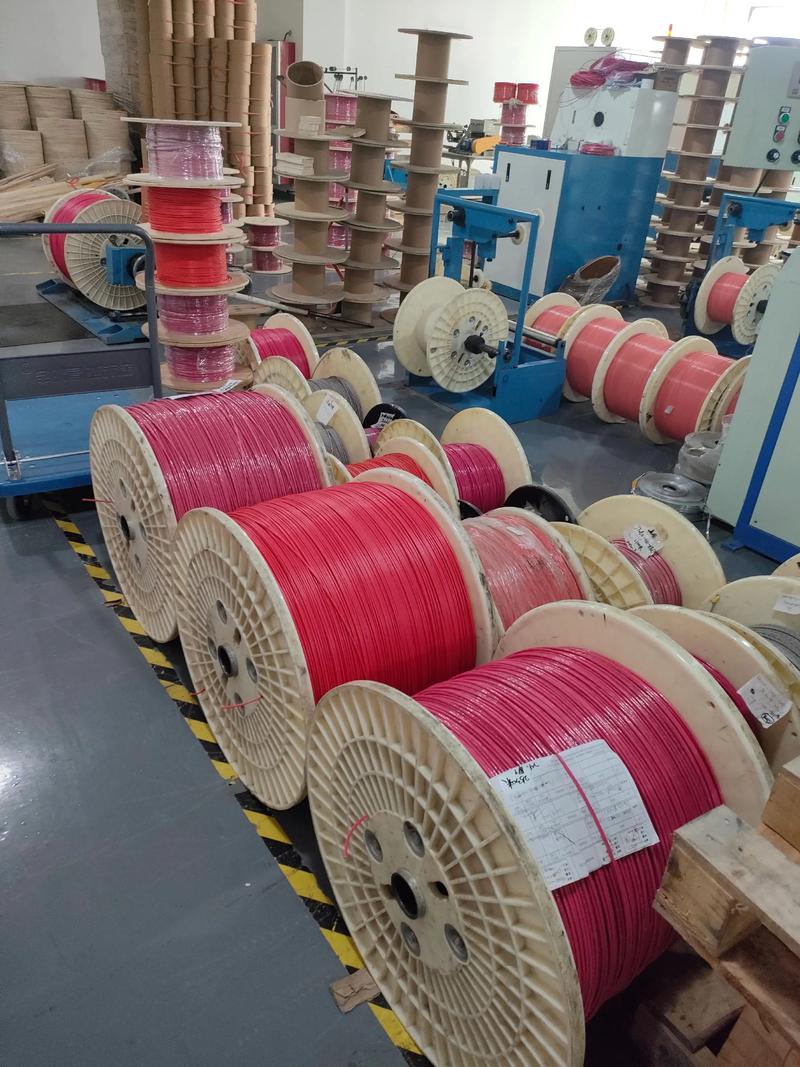

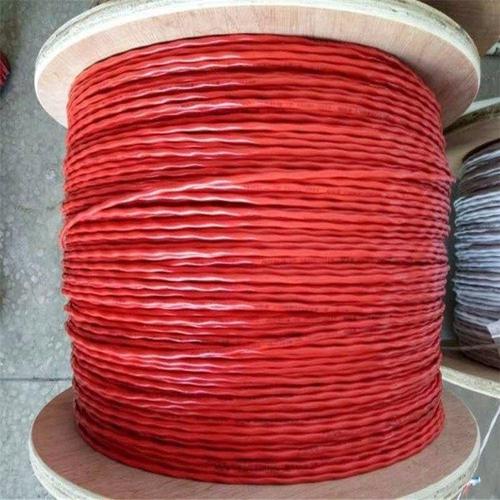
Cable type linear temperature sensing fire detector industrial fire temperature measurement cable constant temperature difference temperature alarm
Category:
Security/Fire protection system/Alarm equipment
Model:
HK-3003
Brand:
Shanghai Huikong Electronics
Alarm temperature:
85℃/105℃/138℃
response time:
≤30s
Working voltage:
DC 24V
insulation resistance:
≥100MΩ
Execution Standard:
GB 16280-2014
Ambient temperature:
-10℃~+50℃
relative humidity:
≤95%RH
Cable Structure:
Twisted steel wire+thermal insulation
Retail Price
10,000,000.00USD
重量
kg
- Product Description
-
Alarm temperature 85℃/105℃/138℃
response time ≤30s
Working voltage DC 24V
insulation resistance ≥100MΩ
Execution Standard GB 16280-2014
Ambient temperature -10℃~+50℃
relative humidity ≤95%RH
Cable Structure Twisted steel wire+thermal insulation
Description :
Thermal cable is a cable type linear thermal fire detector mainly used for continuous monitoring of temperature changes in protected areas. It emits a fire alarm signal when it reaches a preset threshold by sensing the increase or rate of temperature rise in the surrounding environment. This product solves the problem of many blind spots in traditional point detectors for monitoring in large spaces, long distances, or harsh environments. It is particularly suitable for fire monitoring in narrow or complex working conditions such as cable tunnels, conveyor belts, and oil storage tanks, ensuring early detection of fire hazards.
The temperature sensing cable is usually formed by twisting two elastic steel wires wrapped with thermal insulation material, and then wrapped with a metal shielding layer and a plastic outer sheath. Common operating temperature levels include 85 ℃, 105 ℃, 138 ℃, etc., and fixed temperature or differential temperature types can be selected according to actual needs. The product complies with the national standard GB 16280 "Linear Thermal Fire Detector" and has excellent corrosion resistance, moisture resistance, and mechanical damage resistance. The insulation resistance is usually greater than 100M Ω, and the DC resistance of the conductor meets the relevant cable standards, ensuring stable and reliable signal transmission during long-term operation.
When selecting, it is necessary to specify the maximum normal temperature of the on-site environment in order to choose an appropriate alarm temperature threshold and avoid false alarms. For places with slow temperature changes, such as archives or cable interlayers, it is recommended to use fixed temperature sensing cables; For places where temperatures may rise sharply, such as flammable liquid storage tank areas, differential or combination types are more suitable. It should be noted that temperature sensing cables cannot be directly installed on the surface of high-temperature heat sources. They should be kept at an appropriate distance or laid through protective pipes, and distinguished from fiber optic temperature detectors. The former has a high cost performance ratio, while the latter is suitable for ultra long distance and precise positioning scenarios.
During installation, specialized fixing fixtures should be used to lay the temperature sensing cable in a sine wave or straight line on the surface of the protected object, with a spacing generally not exceeding 3 meters. During daily maintenance, it is necessary to regularly check whether the outer skin is damaged, whether the joints are oxidized, and use a dedicated simulated heating device for functional testing. It is strictly prohibited to use open flames for direct baking. Common faults include circuit breaks or insulation drops, which can be checked by measuring the circuit resistance and insulation resistance with a multimeter. Keep the surface of the detector clean, avoid oil contamination that affects heat conduction efficiency, and ensure that the fire alarm system is always in normal working condition.
AfterSalesService :
Key words: