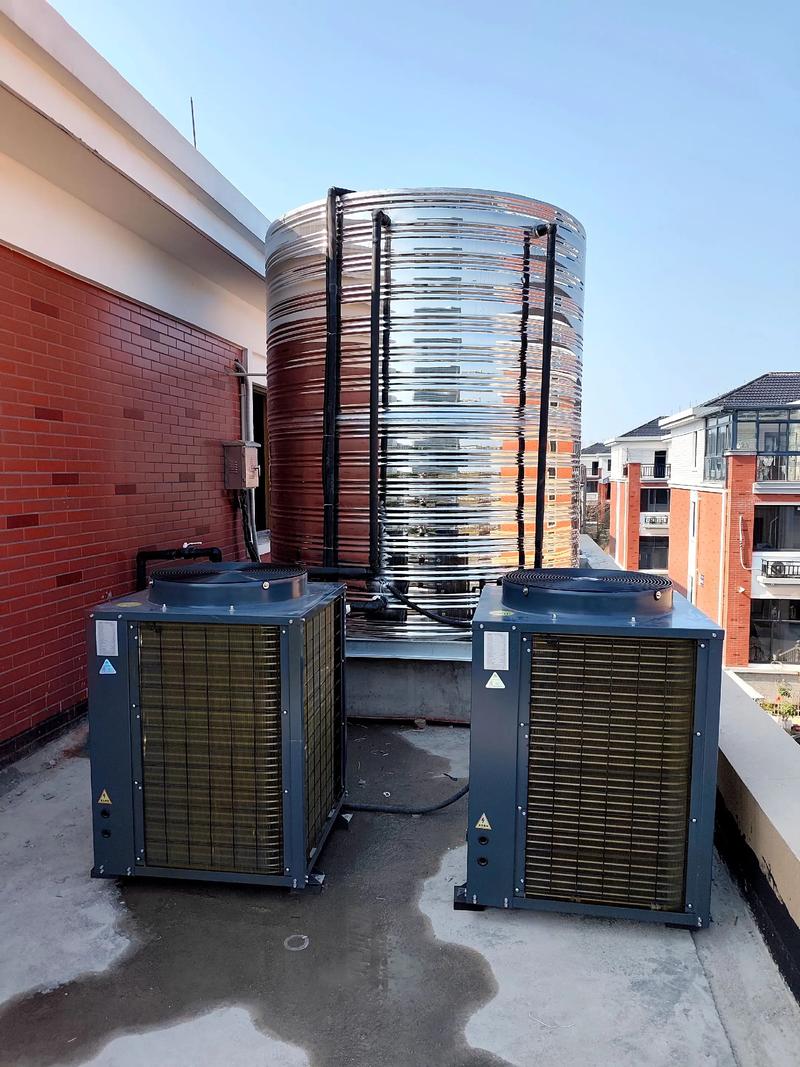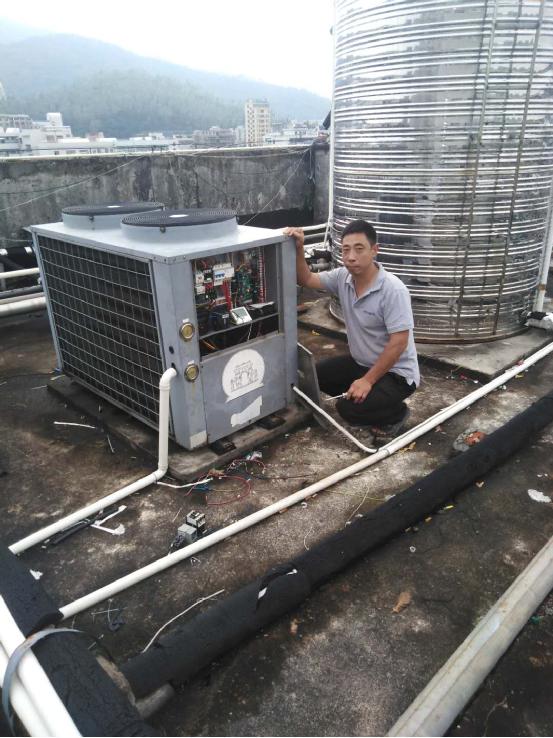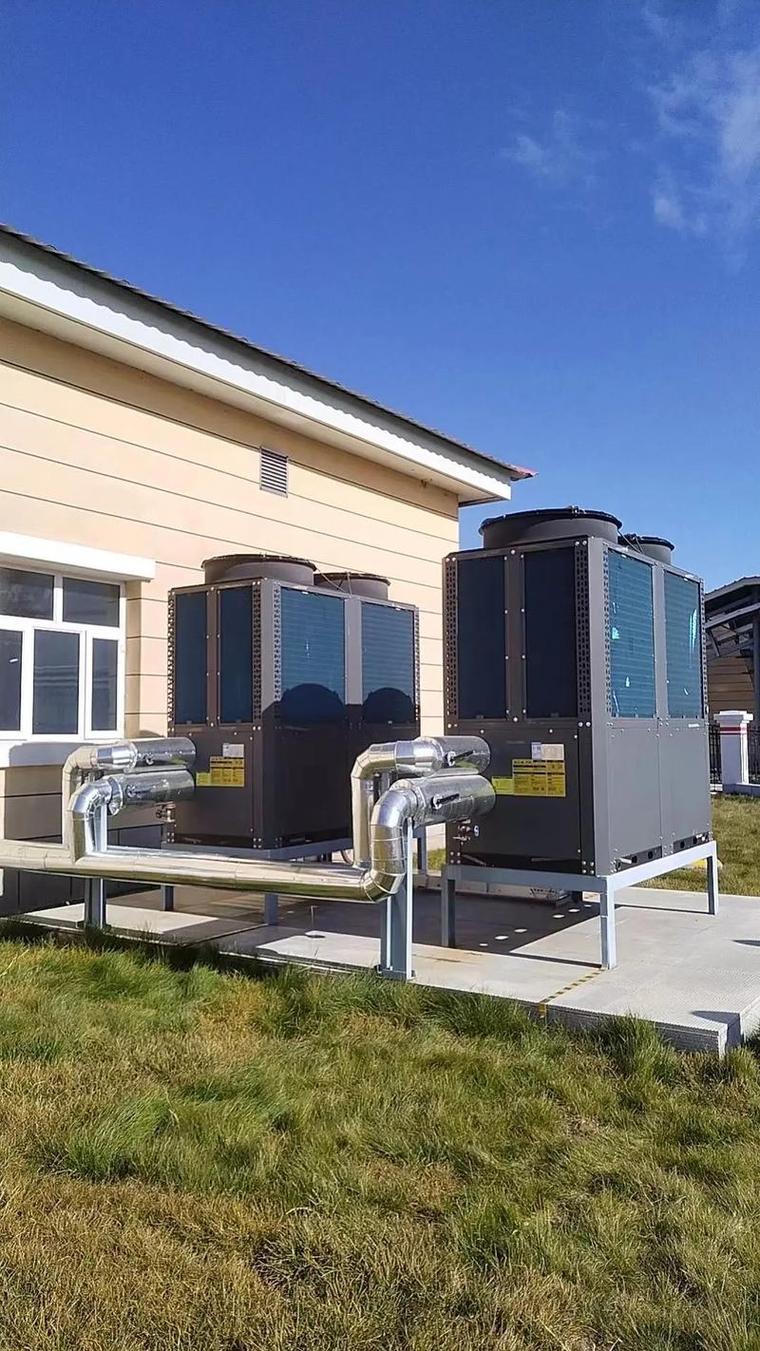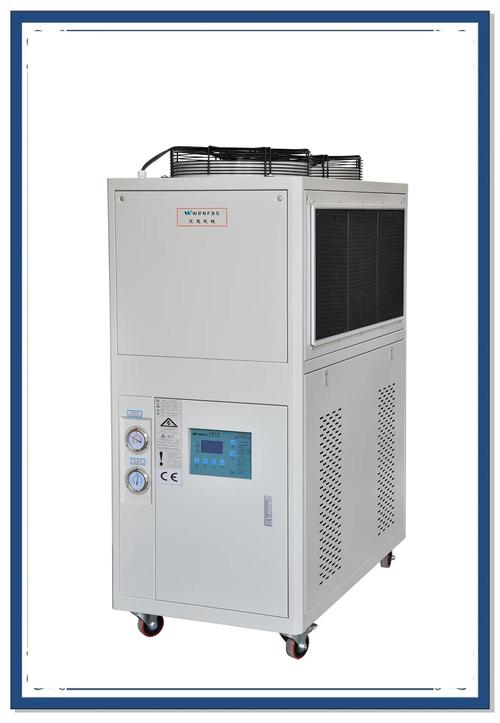

Industrial high-temperature air source water heater is energy-saving and stable, suitable for factories, dormitories, and hotels
Category:
household electrical appliances/Water heater/Air source heat pump water heater
Model:
hangkun19
Brand:
Hang Kun
outlet water temperature:
65-85℃
Energy Efficiency Ratio (COP):
3.0-4.5
Operating environment temperature:
-10℃~45℃
Heat exchanger material:
Titanium tube/stainless steel 316L
Protection rating:
IPX4
Compressor types:
Vortex/rotor type
Power Specifications:
380V/50Hz
noise level:
≤65dB
Retail Price
10,000,000.00USD
重量
kg
- Product Description
-
outlet water temperature 65-85℃
Energy Efficiency Ratio (COP) 3.0-4.5
Operating environment temperature -10℃~45℃
Heat exchanger material Titanium tube/stainless steel 316L
Protection rating IPX4
Compressor types Vortex/rotor type
Power Specifications 380V/50Hz
noise level ≤65dB
Description :
Industrial high-temperature air source water heater is a heating device that utilizes the reverse Carnot principle to absorb low-grade thermal energy from the air and convert it into high-grade thermal energy. It mainly solves the problems of high cost and low safety of traditional electric heating or gas heating, and is particularly suitable for industrial conditions that require a large amount of constant temperature hot water. This device can operate stably within the ambient temperature range of -10 ℃ to 45 ℃, with a maximum outlet temperature of 65 ℃ -85 ℃, meeting the high-temperature water needs of industries such as printing and dyeing, electroplating, slaughtering, and food processing. It can also be used for domestic hot water supply in large factory dormitories, hotels, schools, and other places, achieving a balance between high efficiency, energy conservation, and safe operation.
The core components of industrial high-temperature air source water heaters include compressors, evaporators, condensers, and expansion valves, usually using branded scroll or rotor compressors to ensure long-term stability during operation. Heat exchangers are mostly made of titanium tubes or stainless steel 316L, which have strong corrosion resistance and are suitable for complex water quality. The equipment casing is generally made of galvanized steel sheet sprayed with plastic or stainless steel material, with a protection level of IPX4 or above, suitable for outdoor installation environment. The implementation standards comply with relevant national standards such as GB/T 25127.1-2020 "Low ambient temperature air source heat pump (chiller) units - Part 1: Heat pump (chiller) units for industrial or commercial and similar purposes". Some high-end models have passed CCC certification and energy-saving product certification, and the energy efficiency ratio (COP) is usually between 3.0-4.5, depending on the operating conditions.
When selecting an industrial high-temperature air source water heater, it is necessary to clarify the daily hot water consumption, inlet temperature, target outlet temperature, and local minimum temperature. If only domestic hot water (below 60 ℃) is needed, ordinary low-temperature type is sufficient; If it involves process heating (such as cleaning and disinfection, requiring a temperature of 70 ℃ or above), a proprietary high-temperature machine model must be selected. Compared with solar water heaters, industrial high-temperature air source water heaters are not affected by rainy weather and occupy a smaller area; Compared to boilers, there is no need for approval and no emission risk. Pay attention to distinguishing between "room temperature type" and "high temperature type". The former has a rapid decline in heating efficiency in low-temperature environments and cannot meet the requirements for high-temperature effluent. For extremely cold regions, it is recommended to choose products with stacked or jet enthalpy increasing technology to ensure winter heating capacity.
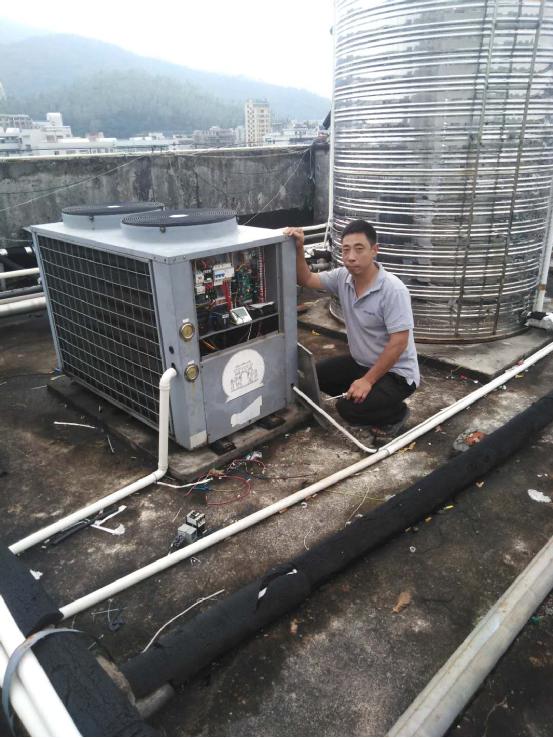
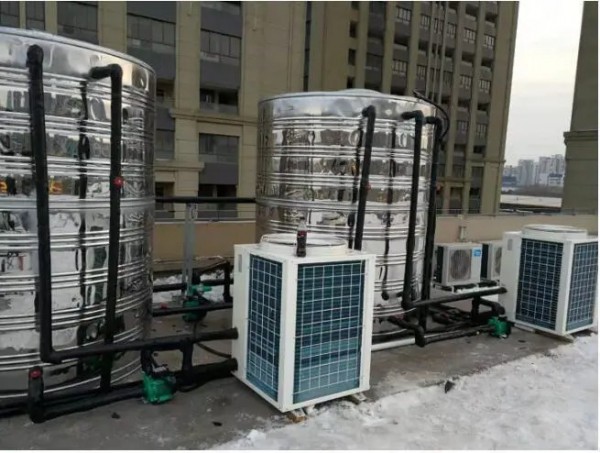
When installing industrial high-temperature air source water heaters, it is necessary to ensure good ventilation and unobstructed air inlet and outlet to avoid short circuit circulation affecting heat transfer efficiency. Y-shaped filters need to be installed for water pipe connections to prevent impurities from blocking the heat exchanger; The waterway system should be equipped with expansion tanks and safety valves to prevent excessive pressure. It is recommended to clean the evaporator fins once every quarter for daily maintenance to maintain heat exchange efficiency; Check the refrigerant pressure and electrical circuit connections once a year. Common faults include high voltage protection (often due to condenser blockage or fan failure), low voltage protection (often due to refrigerant leakage or filter blockage). When an alarm occurs, the power should be cut off first for troubleshooting, and forced start-up is strictly prohibited. Regular maintenance can extend the lifespan of equipment to 10-15 years and reduce the overall lifecycle cost.
AfterSalesService :
Key words:
More Products