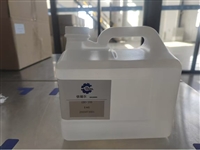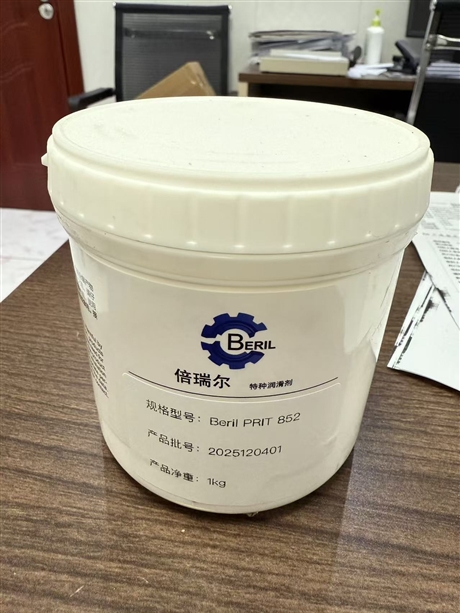

Perfluoropolyether lubricating grease, high-temperature resistant, corrosion-resistant, long-life special lubricating grease
Category:
fine chemicals /Industrial lubricants/lubricating grease
Model:
SHC-(205\225\242\246\258\265\288
Brand:
Beril
Base oil type:
Perfluoropolyether (PFPE)
Working temperature range:
-40℃~360℃
Cone penetration (0.1mm):
265-295
NLGI grade:
No. 2
Evaporation loss:
≤1.0%(200℃,24h)
Oxidation Stability:
excellent
Corrosion resistance:
Resistant to strong acids, strong alkalis, and organic solvents
Packaging Specifications:
1kg/barrel
Retail Price
10,000,000.00USD
重量
kg
- Product Description
-
Base oil type Perfluoropolyether (PFPE)
Working temperature range -40℃~360℃
Cone penetration (0.1mm) 265-295
NLGI grade No. 2
Evaporation loss ≤1.0%(200℃,24h)
Oxidation Stability excellent
Corrosion resistance Resistant to strong acids, strong alkalis, and organic solvents
Packaging Specifications 1kg/barrel
Description :
Perfluoropolyether grease is a high-performance synthetic grease made from perfluoropolyether oil as the base oil, combined with special thickeners and additives. It mainly solves lubrication problems under extreme working conditions, such as strong oxidizing environments, high vacuum, high temperatures, or contact with highly corrosive chemical media. Unlike ordinary mineral oil or silicone oil grease, perfluoropolyether grease has extremely high chemical inertness and hardly reacts with any chemicals, effectively preventing component failure due to corrosion. It is particularly suitable for fields such as semiconductor manufacturing, aerospace, chemical valves, and oxygen systems that require high safety and stability.
The core specifications of this product are reflected in its excellent thermal stability and wide temperature applicability. The typical working temperature range is usually between -40 ℃ and 360 ℃, and some models can withstand temperatures of up to 300 ℃ or more for a short period of time. Its base oil perfluoropolyether has an extremely low vapor pressure, ensuring that it does not evaporate or pollute surrounding equipment in high vacuum environments. In terms of physical indicators, the cone penetration is generally in the range of 265-295 (0.1mm), belonging to the NLGI No.2 viscosity grade, with good pumpability and adhesion. The implementation of standards should refer to relevant industry specifications such as ASTM D4950 or SH/T 0588, and pass multiple compatibility tests to ensure structural stability and prevent softening and loss when in contact with fuels, solvents, acidic and alkaline gases.
In the selection stage, it is necessary to clearly distinguish the applicable boundaries between perfluoropolyether lubricating grease and other synthetic lubricating greases. If the working conditions involve strong oxidants (such as liquid oxygen, chlorine gas), strong acids and bases, or require extremely high cleanliness, perfluoropolyether grease must be selected; If it is only for ordinary high temperature or low-speed heavy load, using composite lithium based or polyurea based grease is more cost-effective. Not suitable for general civilian machinery that requires extensive compatibility with rubber seals and is cost sensitive, as perfluoropolyether materials have higher costs. When purchasing, attention should be paid to the viscosity grade of the base oil and the type of thickener, to ensure that it matches the specific equipment's speed, load, and sealing material, and to avoid waste caused by excessive selection or lubrication failure caused by insufficient selection.
In terms of installation and maintenance, although perfluoropolyether grease has a long service life, it still requires standardized operation. Before use, thoroughly clean the lubricating parts, remove old grease and impurities, and avoid performance degradation caused by mixing different types of lubricating grease. When applying, the friction surface should be evenly covered, and excessive filling should not be used to avoid increasing stirring resistance and causing temperature rise. In daily maintenance, the main monitoring is whether there are foreign objects entering or abnormal color changes. Due to its slow decomposition in harsh environments, frequent grease replenishment is usually not required, and inspections can be carried out based on the equipment's operating hours or annual maintenance cycle. If it is found that the fat body has hardened or there is a granular feeling, it should be replaced in a timely manner and the wear of the bearings or seals should be checked to ensure the continuous and stable operation of the system.
AfterSalesService :
Key words: