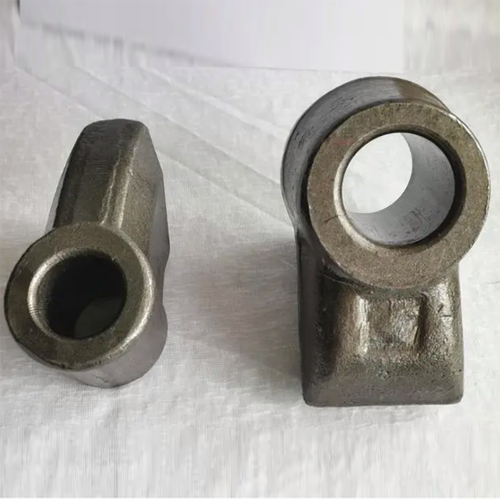

170 type 42CrMo alloy steel tooth seat excavator bucket teeth matching base wear-resistant and impact resistant
Category:
metallurgy/Mining and beneficiation equipment/Mining and beneficiation equipment accessories
Model:
one hundred and seventy
Brand:
Gnawing on rocks, Little
Material:
42CrMo alloy steel
model:
one hundred and seventy
Applicable Devices:
Excavator/Loader
manufacturing process:
Precision casting+quenching and tempering treatment
Hardness range:
HRC 35-45
tensile strength:
≥980 MPa
Surface Treatment:
Rust proof paint/sandblasting
connection method:
Pin axis/bolt fixation
Application Fields:
Mining/earthwork/road construction
Packaging method:
Carton/wooden crate
Retail Price
10,000,000.00USD
重量
kg
- Product Description
-
Material 42CrMo alloy steel
model one hundred and seventy
Applicable Devices Excavator/Loader
manufacturing process Precision casting+quenching and tempering treatment
Hardness range HRC 35-45
tensile strength ≥980 MPa
Surface Treatment Rust proof paint/sandblasting
connection method Pin axis/bolt fixation
Application Fields Mining/earthwork/road construction
Packaging method Carton/wooden crate
Description :
【 Tax inclusive shipping 】 Open a 13% special ticket free shipping nationally
The tooth seat is a key connecting component in the bucket tooth system of construction machinery such as excavators and loaders. Its main function is to fix the bucket teeth and transmit the huge impact force during excavation. This 170 type tooth seat is designed specifically for heavy-duty working conditions, solving the problems of easy breakage and fast wear of traditional tooth seats, ensuring that the bucket teeth are stable and do not fall off in harsh environments such as hard rock excavation and mining. Its core function is to provide high-strength support and buffering, protecting the front end of the boom from direct damage. It is typically used in earthwork engineering, coal mining, and road construction scenarios, and is the basic consumable for maintaining efficient mechanical operation.
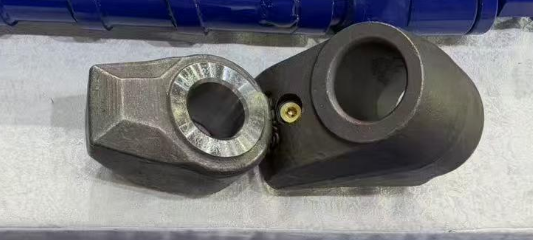
The gear seat is made of high-quality 42CrMo alloy structural steel, which has undergone precision casting and quenching and tempering heat treatment processes, and has extremely high yield strength and toughness. The product strictly follows the industry standards for engineering machinery parts, with uniform internal metallographic structure and moderate surface hardness to balance wear resistance and impact resistance. The 170 model corresponds to specific installation interface dimensions, ensuring a perfect match with mainstream excavator bucket teeth. The chromium molybdenum element in the material significantly enhances its hardenability and high-temperature strength, enabling it to maintain structural stability under continuous high load operation, and is less prone to plastic deformation or fatigue fracture, meeting the stringent industrial grade requirements.
When selecting, it is important to check the matching degree between the gear seat model and the existing bucket teeth and rod interfaces. The 170 model is usually suitable for specific bucket types of medium to large excavators. If the working condition is extremely hard rock or highly corrosive environment, it is recommended to check whether the gear seat has additional wear-resistant overlay or anti-corrosion treatment. Compared with ordinary cast steel gear seats, 42CrMo material has significant advantages in impact toughness and is suitable for high-frequency impact operations; But it is not applicable to lightweight equipment with extreme weight restrictions. Before procurement, key geometric parameters such as installation hole spacing and pin shaft diameter should be confirmed to avoid installation difficulties or excessive clearance due to specification deviations, which may affect operational accuracy and safety.
Before installing the gear seat, it is necessary to thoroughly clean the soil and rust on the installation position of the bucket rod to ensure a smooth contact surface. When using high-strength pins or bolts for fixation, they should be tightened to the specified torque and the locking device should be checked regularly for looseness to prevent the tooth seat from shifting or falling off during operation. In daily maintenance, pay attention to the wear of the contact surface between the back of the tooth seat and the bucket teeth. If cracks or severe deformation are found, they should be replaced immediately to avoid damaging the bucket rod body. When working in environments with high dust or water immersion, it is recommended to increase lubrication frequency, reduce pin wear, extend the overall service life of the gear seat and bucket components, and reduce equipment shutdown maintenance costs.
AfterSalesService :
【含税运】开13%专票 全国包邮Key words:
More Products