
Hot dip galvanized anti-corrosion and stable support for sound barrier columns on highways and railways
Category:
building materials/Protection and municipal facilities/railing
Model:
175*175*11*7.5
Brand:
Henglijia
Material:
Q235B/Q235C/Q235D
Surface Treatment:
Hot dip galvanizing/spray coating
zinc coating thickness:
≥85μm
Common cross-sectional dimensions:
100×100mm-200×200mm
Wall thickness range:
4mm-8mm
Execution Standard:
GB/T 18226-2015
Applicable Scenarios:
Highways/Railways/Elevated Bridges
connection method:
Pre embedded bolt/flange connection
Retail Price
10,000,000.00USD
重量
kg
- Product Description
-
Material Q235B/Q235C/Q235D
Surface Treatment Hot dip galvanizing/spray coating
zinc coating thickness ≥85μm
Common cross-sectional dimensions 100×100mm-200×200mm
Wall thickness range 4mm-8mm
Execution Standard GB/T 18226-2015
Applicable Scenarios Highways/Railways/Elevated Bridges
connection method Pre embedded bolt/flange connection
Description :
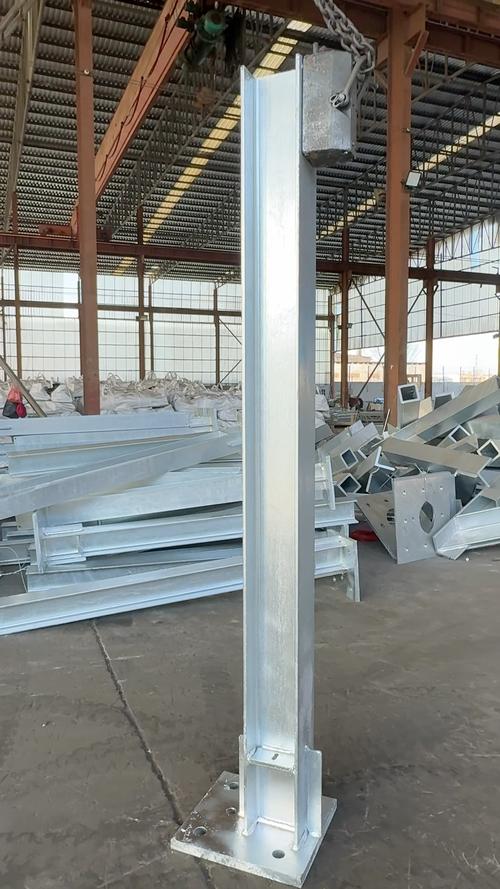
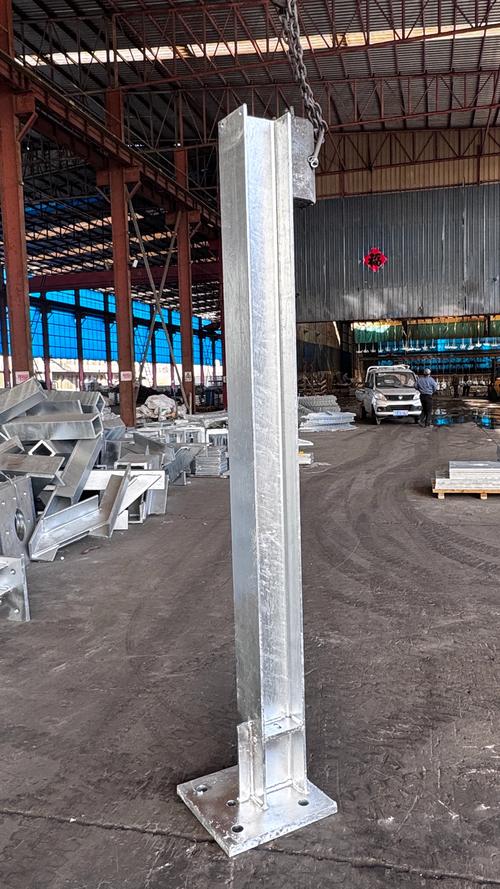
The sound barrier column is the core supporting component in traffic noise reduction engineering, mainly solving the noise pollution problems on both sides of highways, railways, and urban overpasses. It forms a continuous soundproof wall by fixing sound barrier panels, effectively blocking the propagation path of sound waves. Typical operating conditions include areas with strong winds, high humidity environments, and traffic arteries that require long-term exposure to vehicle vibration impacts. This category is usually used in conjunction with H-beam or C-shaped steel screen bodies to ensure the stability and sound insulation effect of the overall structure. It is an indispensable environmental protection supporting product in modern transportation infrastructure construction.
The sound barrier column is usually made of high-quality carbon structural steel Q235B or Q345B, which is precision welded and processed into shape. The surface treatment process is mostly hot-dip galvanizing or spray coating treatment, and the thickness of the zinc layer is usually not less than 85 μ m to ensure excellent corrosion resistance in harsh outdoor environments, with a service life of more than 20 years. The implementation standard refers to GB/T 18226-2015 "Technical Conditions for Anti corrosion of Steel Components in Highway Traffic Engineering" and relevant steel structure design specifications. The common cross-sectional dimensions of the column range from 100mm × 100mm to 200mm × 200mm, and the wall thickness is adjusted between 4mm and 8mm according to the design load requirements to meet wind pressure and seismic resistance requirements.
When selecting sound barrier columns, it is important to consider the wind load level of the installation section, the height of the sound barrier, and the weight of the panels. For coastal or typhoon prone areas, Q345B columns with thicker walls and higher material strength should be selected, and the design of foundation embedded parts should be strengthened. If used for ordinary urban roads, Q235B material can meet the requirements. It should be noted that the spacing between columns should match the screen module, with a common spacing of 2 to 2.5 meters. Compared with directly welded structures, plug-in or flange connected columns are more convenient for later maintenance and replacement. When selecting, comprehensive consideration should be given to the convenience of engineering maintenance to avoid blindly pursuing low prices and neglecting structural safety redundancy.
Before installing the sound barrier column, it is necessary to check the position accuracy and exposed length of the foundation embedded bolts to ensure that the error is within the allowable range. During the lifting process, collision damage to the galvanized layer should be avoided. If there is any damage, it should be repaired by spraying rich zinc paint in a timely manner. During routine maintenance, it is recommended to regularly check the corrosion at the bottom of the column and its connection with the foundation every year, especially after rainstorm or earthquake. Common faults include column tilting, weld cracking, or severe corrosion. If such problems are found, they should be immediately reinforced or replaced to prevent the collapse of sound barriers and traffic accidents. Maintaining unobstructed drainage holes and preventing water accumulation from accelerating root corrosion are key measures to extend the service life of columns.
AfterSalesService :
包捡包过一级焊缝Key words: