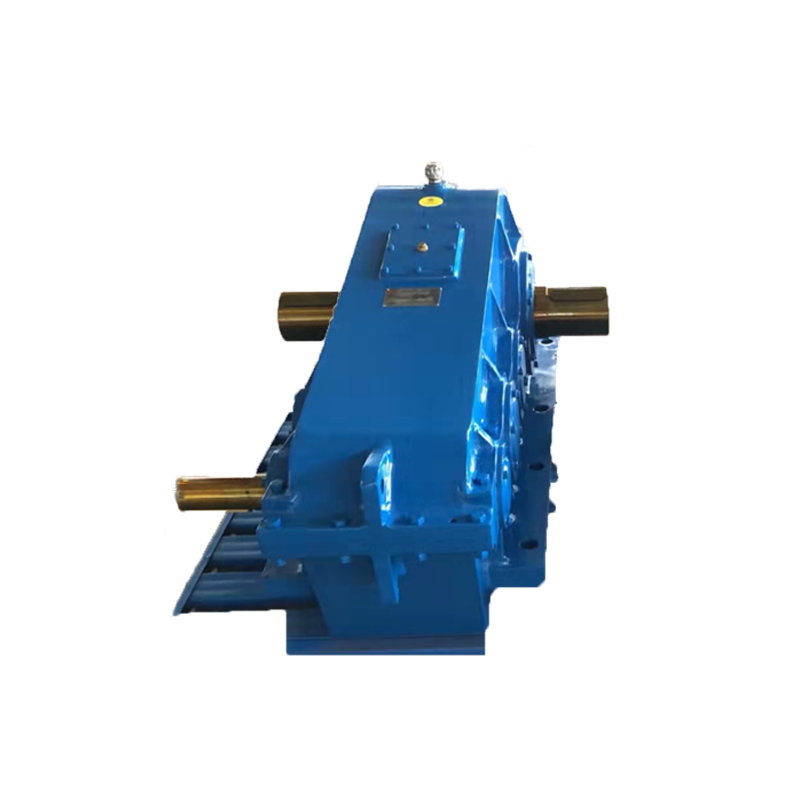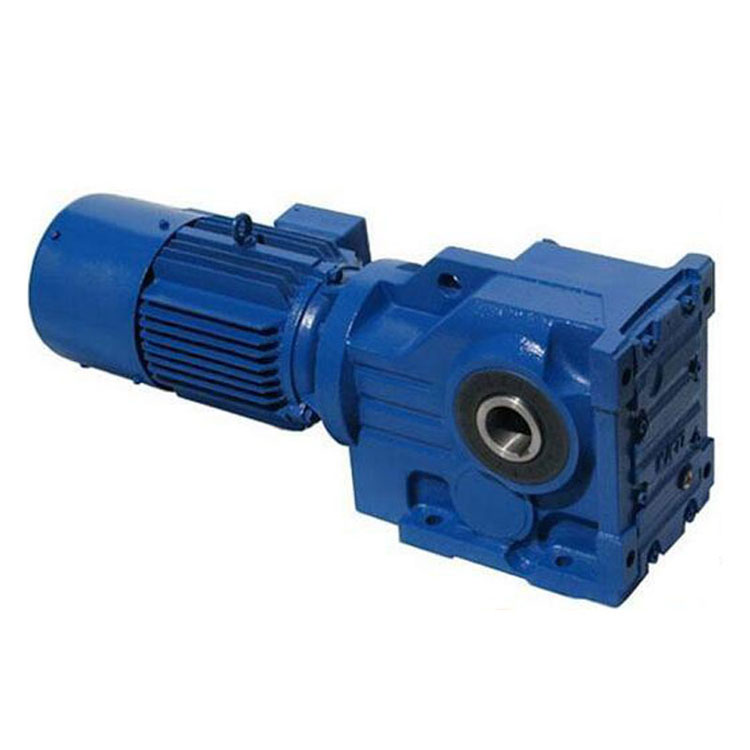

R series hard tooth helical gear reducer industrial transmission universal structure compact and high torque
Category:
mechanical equipment/Reducer, gearbox/Reducer, gearbox
Model:
R series
Brand:
Huake Machinery
structural form:
Parallel axis helical gear
Box material:
HT250 cast iron
Gear material:
20CrMnTi alloy steel
Tooth surface hardness:
HRC58-62
transmission efficiency:
≥95%
Installation Method:
Foot type/flange type
lubrication method:
Splash lubrication/forced lubrication
Protection rating:
IP55
insulation class:
Grade F
Operating temperature:
-10℃~40℃
Retail Price
10,000,000.00USD
重量
kg
- Product Description
-
structural form Parallel axis helical gear
Box material HT250 cast iron
Gear material 20CrMnTi alloy steel
Tooth surface hardness HRC58-62
transmission efficiency ≥95%
Installation Method Foot type/flange type
lubrication method Splash lubrication/forced lubrication
Protection rating IP55
insulation class Grade F
Operating temperature -10℃~40℃
Description :
The R series reducer is a hard toothed helical gear reduction device widely used in industrial transmission systems. It mainly solves the problems of high motor output speed and insufficient torque, and achieves deceleration and torque increase through multi-stage gear meshing, meeting the needs of various mechanical equipment for low-speed and high torque power. The typical working conditions of this category include continuous or intermittent working scenarios such as conveyor belt drive, mixer operation, and lifting equipment. It is an indispensable power transmission core component in modern production lines and can adapt to the operational requirements of most conventional industrial environments.
The R series reducers usually use high-strength cast iron housings, which have good rigidity and seismic performance. The internal gears are precision ground and processed, with high tooth surface hardness and strong wear resistance, and the transmission efficiency can usually reach over 95%. Flexible input methods, supporting various installation forms such as motor direct connection, pulley connection, or coupling connection. The execution standards mostly refer to domestic machinery industry standards such as JB/T8853, and some exported products meet CE certification requirements. Common specifications range from a center distance of 60mm to 1000mm, with a wide range of speed ratios that can be customized from several to several hundred to ensure stable mechanical performance under different load conditions.
When selecting R series reducers, it is important to consider the type of load, working coefficient, and installation space. Suitable for scenarios with stable loads or moderate impact loads, such as packaging machines, printing machines, textile machinery, etc. If the working conditions involve severe impact or extreme high temperature, additional cooling devices or specialized heavy-duty series need to be configured. Compared with the K series spiral bevel gear reducer, the R series has a parallel axis structure and does not have a right angle output characteristic, but has lower manufacturing costs and easier maintenance. When purchasing, the input power, output speed, and installation orientation (foot installation or flange installation) should be clearly defined to ensure perfect matching with existing power sources and actuators, avoiding early failure caused by uneven foundations or poor alignment.
The installation foundation of the R series reducer must be flat and sturdy, and the anchor bolts must be evenly tightened to prevent deformation of the box. Before the initial operation, it is necessary to check the lubricating oil level. Usually, medium load industrial gear oil is added to the specified scale. It is recommended to replace the first lubricating oil after 500 hours of operation, and then replace it every 2000-3000 hours or half a year, depending on the working environment dust and temperature. Regular maintenance is required to check whether the seals are leaking oil, whether the bearing temperature is abnormally high, and whether the operating noise is increasing. Common faults such as oil leakage are often caused by blocked ventilation caps or aging seals. Timely cleaning of the breathing valve and replacement of the skeleton oil seal can solve the problem. Keeping the equipment clean and dry can significantly extend the service life of the R series reducer.
AfterSalesService :
Key words: