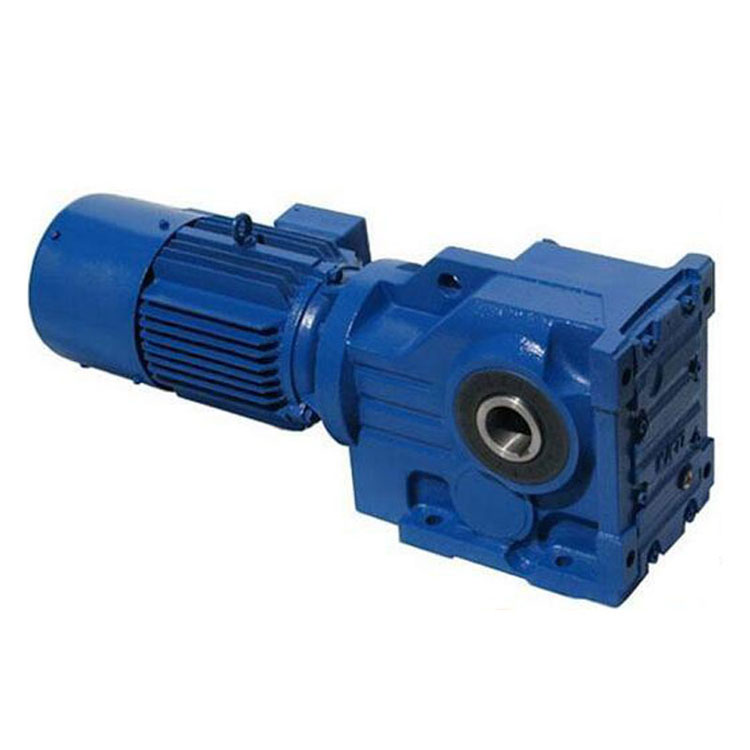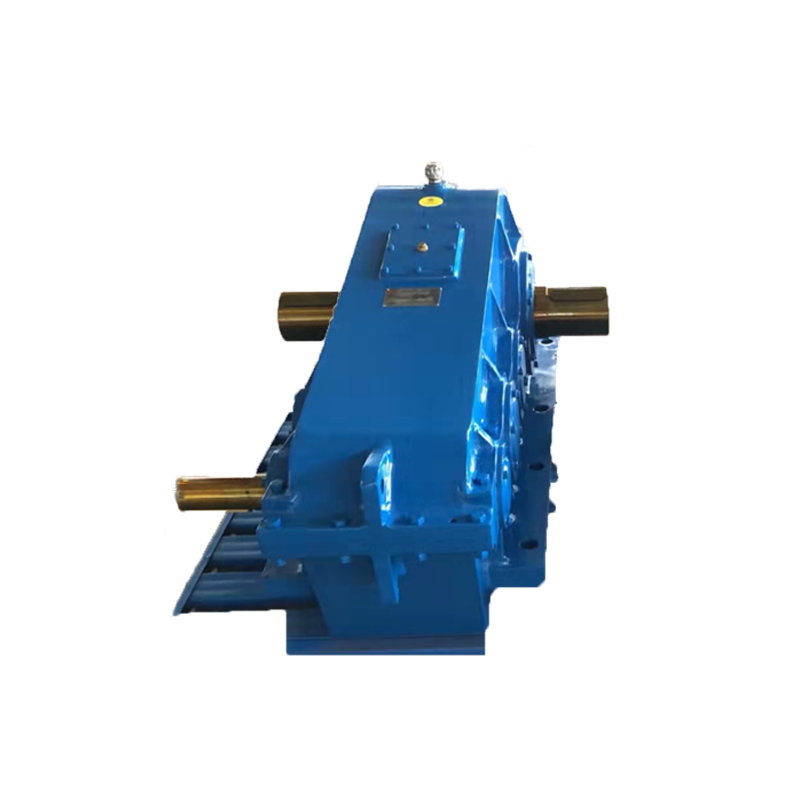

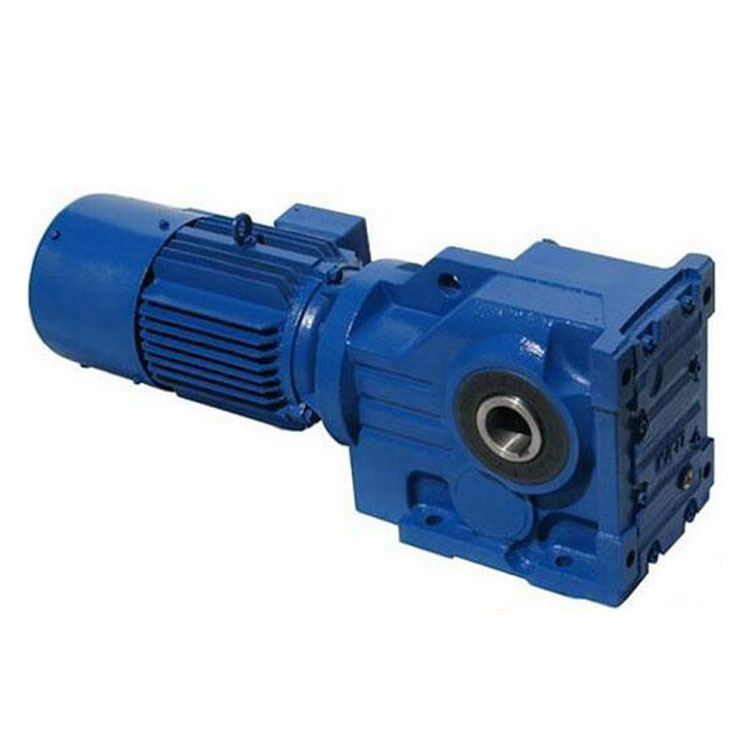
R series helical gear reducer with hard tooth surface modular design, high transmission efficiency, strong load capacity
Category:
mechanical equipment/Reducer, gearbox/Reducer, gearbox
Model:
R series
Brand:
Huazhong University of Science and Technology
Transmission Type:
Helical gear transmission
Tooth surface hardness:
HRC58-62
transmission efficiency:
≥96%
Installation Method:
Foot/flange/hollow shaft
Protection rating:
IP55
insulation class:
Grade F
Box material:
HT250 cast iron
lubrication method:
Splashing/forced lubrication
noise level:
≤65dB
Retail Price
10,000,000.00USD
重量
kg
- Product Description
-
Transmission Type Helical gear transmission
Tooth surface hardness HRC58-62
transmission efficiency ≥96%
Installation Method Foot/flange/hollow shaft
Protection rating IP55
insulation class Grade F
Box material HT250 cast iron
lubrication method Splashing/forced lubrication
noise level ≤65dB
Description :
The R series reducer is an industrial power transmission equipment that adopts a helical gear transmission structure, mainly solving the problems of speed matching and torque amplification between the motor and the actuator. This category achieves deceleration and torque increase through multi-stage gear meshing, suitable for working conditions that require constant speed ratio and high transmission efficiency. Typical application scenarios include general mechanical drive ends such as conveyor belts, mixers, packaging machines, etc. Its core advantages lie in its compact structure, high load-bearing capacity, and ability to adapt to continuous heavy-duty operating environments. It is an indispensable basic transmission component in industrial automation production lines.
The R series reducers are usually made of high-strength alloy steel gears, which are treated with carburizing, quenching, and grinding processes, resulting in high tooth surface hardness and good wear resistance. The box body is mostly made of high-quality cast iron, which is subjected to aging treatment to eliminate internal stress and ensure dimensional stability. The execution standards generally comply with ISO or GB related mechanical transmission specifications, with protection levels commonly IP55 or IP65 and insulation level F. The input power range covers 0.18kW to over 200kW, and the output torque can reach tens of thousands of Newton meters. The transmission ratio range is wide, and single-stage to multi-stage combinations can achieve precise speed ratio selection, meeting diverse installation needs.
When selecting, it is necessary to clarify the input speed, required output torque, and installation method (such as foot installation, flange installation, or hollow shaft installation). The main feature that distinguishes the R series from parallel axis helical gear reducers is its modular combination design, which can be directly connected to various motors, saving space. Not suitable for scenarios with frequent positive and negative impacts or high-speed operation. If there is a significant radial force in the working condition, the bearing capacity of the output shaft needs to be verified. When purchasing, attention should be paid to distinguishing between solid shaft and hollow shaft structures, as well as whether torque arms are included, to ensure compatibility with on-site equipment interfaces and avoid installation interference.
Before installing the R series reducer, it is necessary to check the tightening of the anchor bolts and the alignment accuracy of the coupling. Excessive deviation can cause early damage to the bearings. It is recommended to replace the lubricating oil after the first 500 hours of operation, and then replace it every 2000-3000 hours or half a year, depending on the ambient temperature and load. Daily maintenance requires monitoring of oil temperature, noise, and vibration, and timely replacement of seals if oil leakage is found. Common faults include tooth surface pitting and bearing overheating, often caused by poor lubrication or overload. Regularly cleaning the dust on the heat sink and maintaining good ventilation can extend the service life of the equipment and ensure stable operation of the transmission system.
AfterSalesService :
Key words: