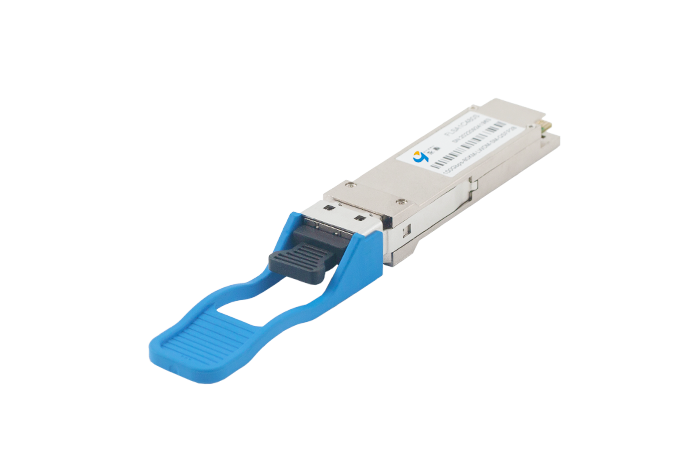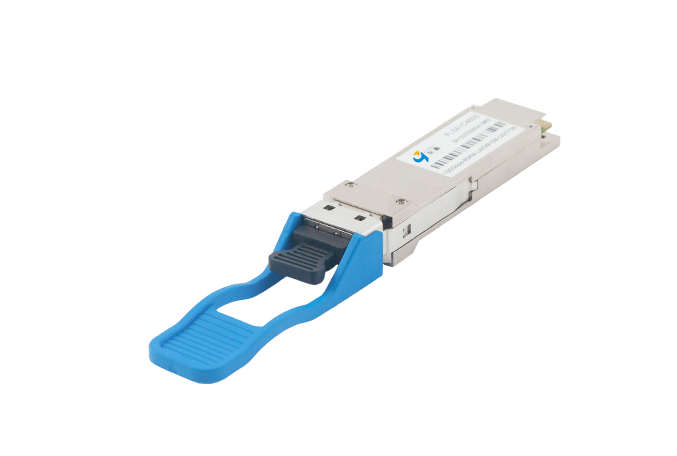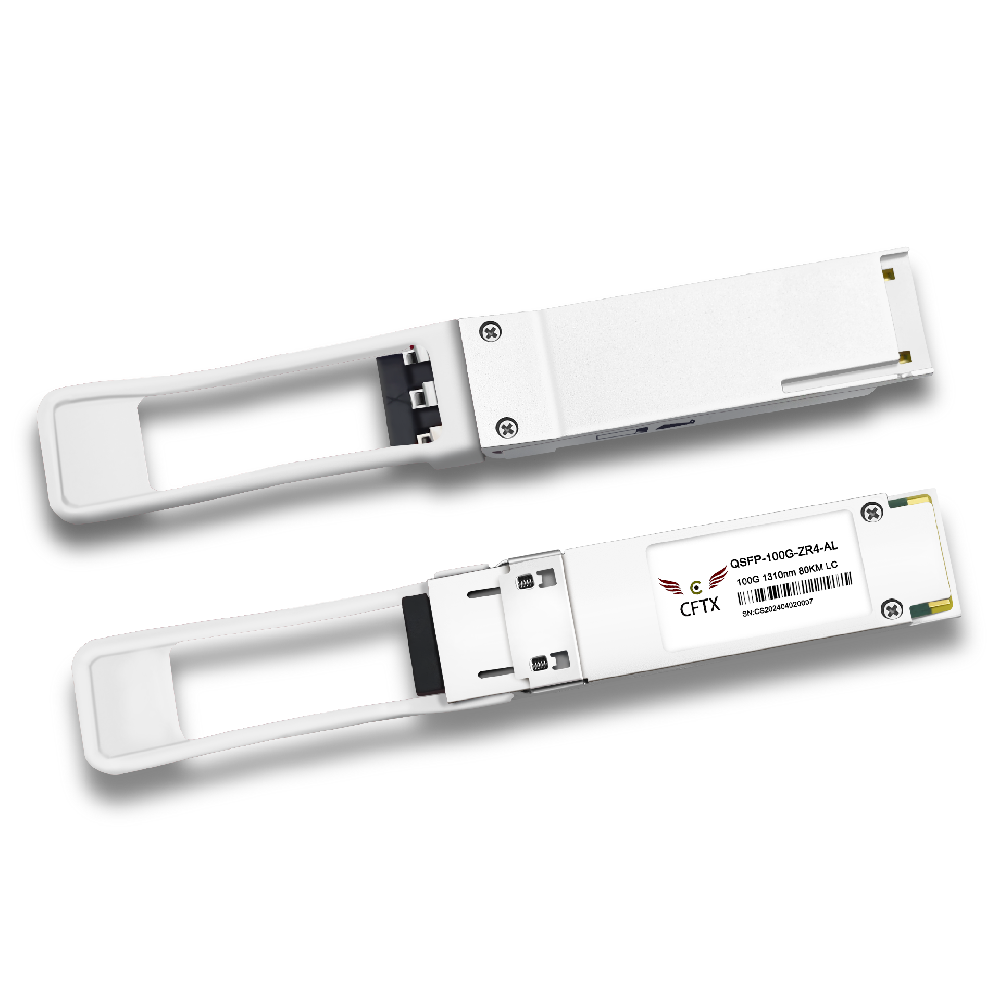

100G QSFP28 ER4 optical module 1310nm 40km LWDM nationwide compatible with OTU4
Category:
electron/Optoelectronic device/Optical module
Model:
QSFP28-ER4
Brand:
Ang Tong Technology
boxed type:
QSFP28
transmission rate:
100Gbps
transmission distance:
40km
center wavelength:
1295.56/1300.05/1304.58/1309.14nm
Fiber Type:
single-mode fiber
interface type:
LC
modulation technique :
LWDM
protocol standard:
100G Ethernet/OTU4
FEC requirements:
No need to turn it on
Retail Price
10,000,000.00USD
重量
kg
- Product Description
-
boxed type QSFP28
transmission rate 100Gbps
transmission distance 40km
center wavelength 1295.56/1300.05/1304.58/1309.14nm
Fiber Type single-mode fiber
interface type LC
modulation technique LWDM
protocol standard 100G Ethernet/OTU4
FEC requirements No need to turn it on
Description :
100G optical module is an optoelectronic conversion device used for high-speed data transmission, mainly solving the high-speed interconnection needs of short to medium distance in data centers, metropolitan area networks, and backbone networks. This QSFP28-ER4 model supports 100G Ethernet and OTN OTU4 dual rate transmission protocols, making it suitable for network environments that require high bandwidth and low latency. Its core advantage lies in the adoption of a nationwide production plan and the built-in LWDM technology, which can achieve a transmission distance of up to 40km on single-mode fiber and can operate stably without the need to enable forward error correction (FEC) function, effectively reducing system power consumption and complexity. It is an ideal choice for building efficient green optical networks.
The 100G optical module adopts the standard QSFP28 packaging form, with the working center wavelength located near the 1310nm window. It specifically includes four independent LWDM channels, with center wavelengths of 1295.56nm, 1300.05nm, 1304.58nm, and 1309.14nm, respectively. Through a pair of built-in 4-channel LWDM multiplexers (MUXes) and demultiplexing devices (DEMUX), efficient spectrum utilization is achieved in both single fiber and dual fiber directions. The product follows the industry standard of Multi Source Agreement (MSA) for optical modules, ensuring compatibility with physical interfaces and electrical characteristics of mainstream switches, routers, and transmission equipment. Its optical interface is usually an LC duplex interface, supporting single-mode fiber transmission. The typical transmit optical power and receive sensitivity meet the requirements of IEEE 802.3pm and OTU4 related standards, ensuring signal integrity at a transmission distance of 40km.
When selecting a 100G optical module, it is necessary to clearly distinguish between transmission distance and fiber type. QSFP28-ER4 is designed specifically for medium to long distance transmission over 40km, distinguishing it from LR4 models over 10km or ZR4 models over 100km. If the actual link distance is less than 10km, it is recommended to use LR4 to reduce costs; If it exceeds 40km, ER4 expansion version or ZR4 model with FEC function should be considered. In addition, this module supports dual rate protocols, which can be used in both pure Ethernet environments and OTN transmission networks. When selecting, it is necessary to confirm whether the peer device supports the OTU4 frame structure. For projects pursuing supply chain security, the national production characteristics are an important consideration point, which can avoid specific supply chain risks and is suitable for procurement in government, finance, and critical infrastructure fields.
When installing a 100G optical module, please make sure to first confirm that the device port supports QSFP28 specifications and the corresponding speed configuration. When inserting the module, a clear locking sound should be heard to ensure a stable connection. When using single-mode fiber jumpers for connection, pay attention to keeping the fiber end face clean to avoid dust pollution that may cause excessive light attenuation or interface damage. In daily maintenance, it is recommended to regularly monitor the digital diagnostic monitoring (DDM/DOM) data of the module, including temperature, voltage, bias current, and luminous power, in order to detect potential faults in a timely manner. If there is a situation where the link is not connected or the error rate is high, first check whether the fiber link loss is within the budget range, and whether the wavelength of the two end modules is consistent with the protocol configuration. Do not plug or unplug the fiber with power to prevent laser damage to the eyes or devices.
AfterSalesService :
Key words: