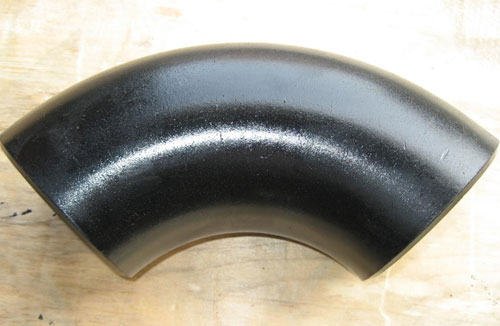

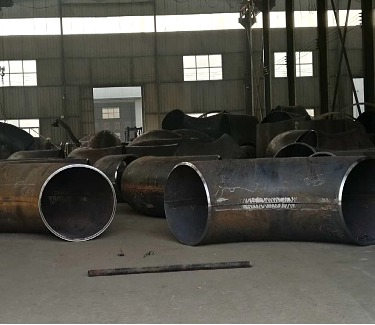
Industrial grade carbon steel elbow 90 degree 45 degree long radius short radius pipeline connection fittings
Category:
building materials/Pipe fittings/elbow
Model:
DN100
Brand:
Chengzhu
Applicable angle:
45°/90°/180°
radius of curvature:
Long radius (R=1.5D)/Short radius (R=1.0D)
Common materials:
Carbon steel/stainless steel/alloy steel
Execution Standard:
GB/T12459/ASME B16.9
connection method:
butt welding
Surface Treatment:
Rust proof paint/galvanizing/spray coating
Operating temperature:
-20 ℃ to+450 ℃
Nominal Diameter:
DN15-DN2000
Retail Price
10,000,000.00USD
重量
kg
- Product Description
-
Applicable angle 45°/90°/180°
radius of curvature Long radius (R=1.5D)/Short radius (R=1.0D)
Common materials Carbon steel/stainless steel/alloy steel
Execution Standard GB/T12459/ASME B16.9
connection method butt welding
Surface Treatment Rust proof paint/galvanizing/spray coating
Operating temperature -20 ℃ to+450 ℃
Nominal Diameter DN15-DN2000
Description :
Elbows are key connecting fittings used in pipeline systems to change the flow direction of fluids. They mainly solve the problem that straight pipelines cannot adapt to complex layouts and are widely used in typical working conditions such as petroleum, chemical, power, shipbuilding, and building water supply and drainage. As a fundamental component of pipeline engineering, elbows are designed with a specific curvature radius to effectively reduce the resistance loss and impact vibration of fluids during turning, ensuring the smoothness and safety of medium transportation. According to different angles, there are commonly specifications such as 45 degree, 90 degree, and 180 degree bends, which can flexibly respond to various pipeline routing requirements and are an indispensable component of building a complete pipeline network system.
The specifications of elbows cover multiple dimensions such as diameter, wall thickness, curvature radius, and material standards. Common implementation standards include GB/T12459, GB/T13401, ASME B16.9, DIN2605, etc., to ensure product dimensional accuracy and interchangeability. In terms of materials, in addition to common carbon steel (such as 20 #, Q235B), stainless steel (304, 316L), alloy steel, and low-temperature steel are also involved to adapt to different corrosion environments and temperature and pressure conditions. The manufacturing process mainly includes pushing, pressing, forging, and welding forming, and the surface is usually treated with anti rust paint, galvanizing, or spray coating. When making a purchase, it is important to pay close attention to the outer diameter deviation, wall thickness reduction, and ellipticity indicators to ensure compliance with the engineering design pressure rating requirements.
When selecting elbows, it is necessary to clarify the characteristics of the pipeline medium, working pressure, temperature range, and installation space limitations. The long radius elbow (R=1.5D) has low fluid resistance and is suitable for high-speed fluids or pressure sensitive main pipelines; The short radius elbow (R=1.0D) has a compact structure and is suitable for branch connections or equipment interfaces with limited space. If the working conditions involve strong corrosion or high temperature and high pressure, stainless steel or alloy steel materials should be preferred, and the non-destructive testing report should be checked. Attention should be paid to the compatibility between elbows and fittings such as tees and flanges to avoid weld cracking caused by concentrated geostress. For large-diameter pipelines, it is recommended to use welded elbows to ensure strength, while for small-diameter pipelines, seamless push elbows can be used to improve the smoothness of the inner wall.
The installation of elbows must be strictly aligned with the centerline of the pipeline. Before welding, the oil and rust on the ends must be cleaned. The process of argon arc welding as the base and manual arc welding as the cover should be used to ensure the quality of the weld seam. During the installation process, strong alignment should be avoided to prevent additional stress from affecting the lifespan of the pipeline. In daily maintenance, it is necessary to regularly check the thinning of the outer wall thickness of the elbow and whether there are cracks or leaks in the weld seam, especially in areas with severe erosion and wear. For buried pipelines, damage to the anti-corrosion layer needs to be repaired in a timely manner. Common faults include rupture or corrosion perforation caused by water hammer effect. If any abnormalities are found, the machine should be stopped and replaced in a timely manner. Pressure operation is strictly prohibited to ensure the long-term stable operation of the pipeline system.
AfterSalesService :
满足标准 专业知识技术Key words: