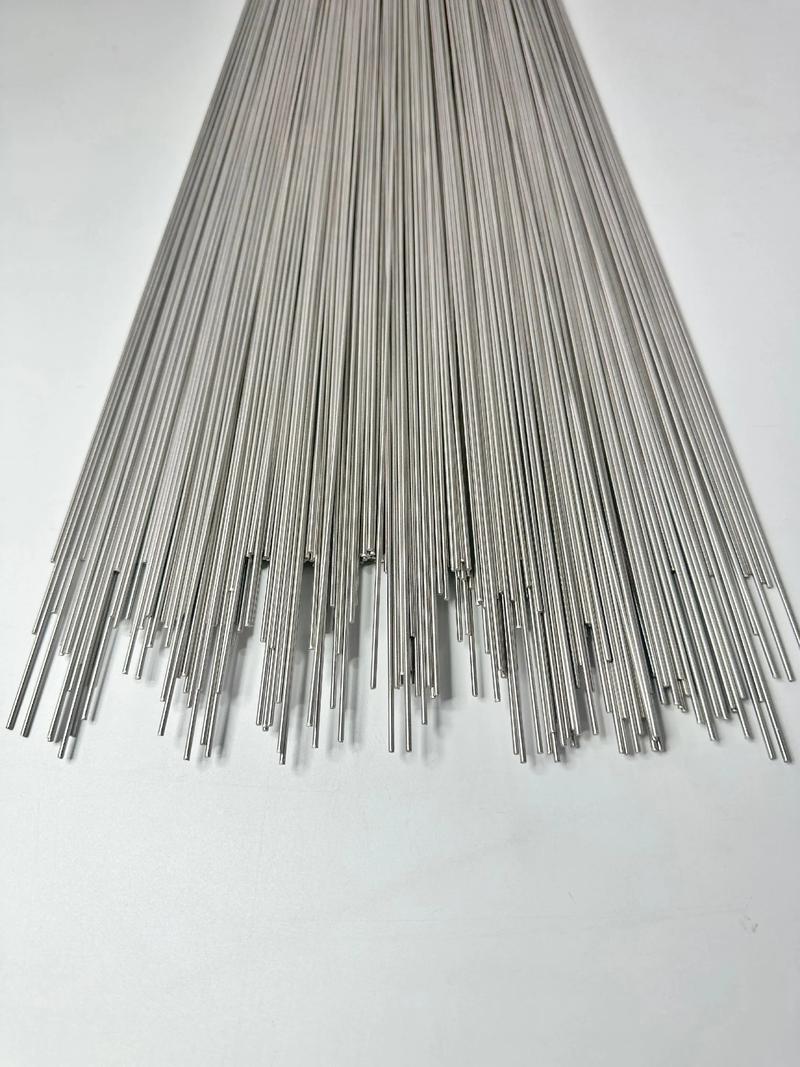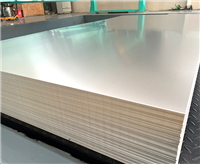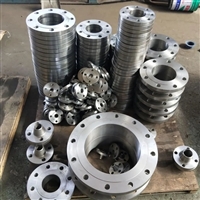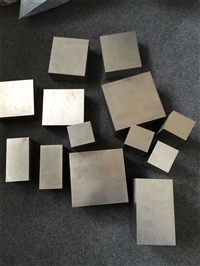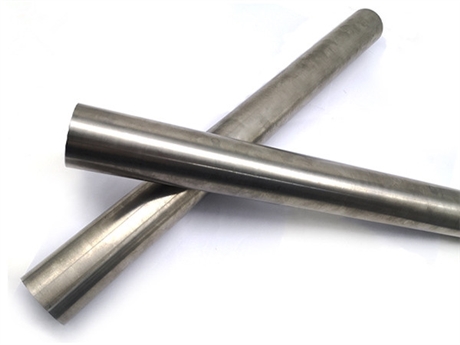

Industrial pure titanium rod TA1 TA2 TA10 TC4 TC11 TC18 corrosion-resistant high-strength solid round rod
Category:
metallurgy/Non ferrous metal alloys/titanium alloy
Model:
φ3.0-φ300
Brand:
Ming Yufeng
Material Grade:
TA1/TA2/TA10/TA15/TA18/TC4/TC6/TC11/TC18/TC21
Execution Standard:
GB/T 2965
production process:
Forging/Rolling
surface state:
Sanded surface
tensile strength:
≥240MPa
density:
4.51g/cm³
Operating temperature:
-250℃~600℃
Specification Range:
Φ3-300mm
Retail Price
10,000,000.00USD
重量
kg
- Product Description
-
Material Grade TA1/TA2/TA10/TA15/TA18/TC4/TC6/TC11/TC18/TC21
Execution Standard GB/T 2965
production process Forging/Rolling
surface state Sanded surface
tensile strength ≥240MPa
density 4.51g/cm³
Operating temperature -250℃~600℃
Specification Range Φ3-300mm
Description :
Titanium rod is a solid cylindrical metal material made from titanium and titanium alloys as substrates, and processed through forging, rolling, or drawing processes. It mainly solves the manufacturing problems of structural components under conditions of strong corrosion, high temperature and pressure, and high specific strength requirements. Typical applications include chemical anti-corrosion equipment, aerospace fasteners, medical device implants, and marine engineering components. This category has become a key base material for replacing stainless steel and nickel based alloys due to its excellent acid and alkali corrosion resistance, as well as low-density and high-strength characteristics. It is suitable for industrial scenarios that are sensitive to weight and harsh environments.
Common titanium rods comply with standards such as GB/T 2965 and ASTM B348, with materials including TA1, TA2, TC4, and other grades. The surface condition is usually an acid washed or sandblasted surface, with a diameter range of Φ 3mm to Φ 300mm and a length typically ranging from 1000mm to 3000mm. The microstructure must meet the requirements of grain size to ensure stable mechanical properties. Typical tensile strength ≥ 240MPa (TA2), elongation ≥ 20%. The processing process requires strict control of the content of interstitial elements such as oxygen, nitrogen, and hydrogen to ensure the plasticity and toughness of the material. Some high-precision titanium rods require ultrasonic testing to ensure that there are no defects such as cracks or inclusions inside, meeting the stringent industry certification requirements.
When selecting, it is necessary to clarify the type of corrosive medium and working temperature of the operating environment. TA1/TA2 pure titanium rods are suitable for general corrosive environments and room temperature structural components, with good processing performance but relatively low strength; TC4 and other alloy titanium rods are suitable for high-strength aviation and sports equipment fields, but the processing difficulty is relatively high. If the working conditions involve strong reducing acids or high-temperature chloride ion environments, the corrosion resistance limit of specific grades needs to be evaluated. Compared with stainless steel, titanium rods have higher initial investment costs, but lower maintenance costs throughout their entire lifecycle; Compared with aluminum alloy, titanium rods have better heat resistance, but attention should be paid to heat dissipation and tool selection during cutting to avoid tool sticking.
It is recommended to use hard alloy cutting tools during installation and processing, maintain low speed and high feed rate, and cooperate with sufficient cooling and lubrication to prevent local overheating from causing material hardening or combustion. When storing, it should be placed in a dry and ventilated place to avoid direct contact with metals such as iron and copper to prevent surface contamination. The focus of daily maintenance is to check the integrity of the surface oxide film. Minor scratches can repair the passivation film on their own, while serious damage requires professional treatment. Common faults include machining cracks and stress corrosion cracking, which are often caused by residual stresses in machining or improper material selection. Regular non-destructive testing can effectively prevent potential failure risks and extend the service life of titanium rod components.
AfterSalesService :
Key words:
More Products