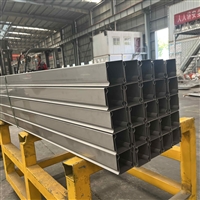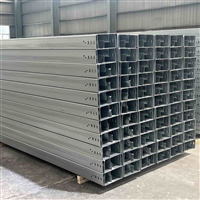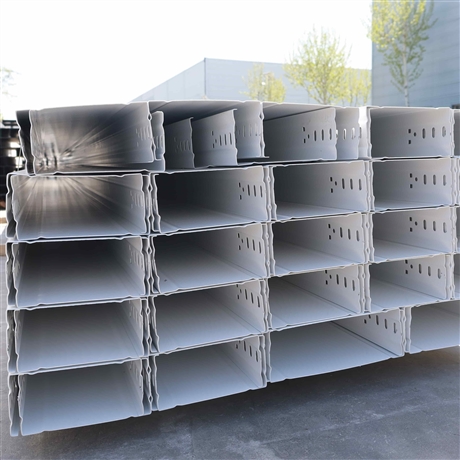

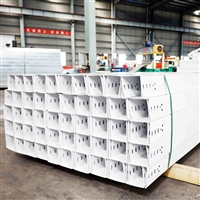
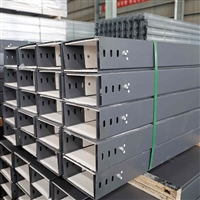
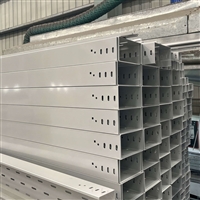
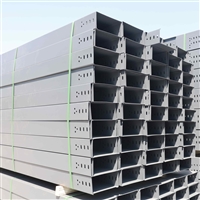
Steel fireproof cable tray, strong and weak electrical wiring support, anti-corrosion, durable and easy to install
Category:
mechanical equipment/Distribution and transmission equipment/Bridge
Model:
50*50-1000*200
Brand:
Wanli Fang
Material:
Cold rolled steel plate/stainless steel/aluminum alloy
Surface Treatment:
Hot dip galvanizing/spray coating/fireproof coating
Width range:
50mm-1200mm
height range:
25mm-500mm
plate thickness:
0.8mm-2.5mm
Execution Standard:
JB/T 10216, GB/T 23639
Protection rating:
IP40/IP54
fire resistance time:
≥ 60 minutes (fireproof type)
Operating temperature:
-40℃~+105℃
Type:
Slot/Cascade/Tray
Retail Price
10,000,000.00USD
重量
kg
- Product Description
-
Material Cold rolled steel plate/stainless steel/aluminum alloy
Surface Treatment Hot dip galvanizing/spray coating/fireproof coating
Width range 50mm-1200mm
height range 25mm-500mm
plate thickness 0.8mm-2.5mm
Execution Standard JB/T 10216, GB/T 23639
Protection rating IP40/IP54
fire resistance time ≥ 60 minutes (fireproof type)
Operating temperature -40℃~+105℃
Type Slot/Cascade/Tray
Description :
Cable tray is a rigid structural system used to support and protect cables, wires, and other circuits, mainly solving the problems of disorderly laying, easy damage, and difficult maintenance of circuits in industrial and civil buildings. It is widely used in typical working conditions such as power plants, substations, factory workshops, high-rise buildings, and data centers, providing safe and standardized channels for power transmission and signal control. Through modular design, cable trays can adapt to various laying paths such as straight lines, turns, and branches, ensuring neat line arrangement, good heat dissipation, and facilitating later maintenance and expansion. They are an indispensable infrastructure in modern electrical engineering.
The specifications of cable trays include width, height, plate thickness, and surface treatment process. The common width range is 50mm to 1200mm, and the height is usually between 25mm and 200mm. The thickness of the board varies from 0.8mm to 2.5mm according to the load requirements, strictly following industry standards such as JB/T 10216. High quality cold-rolled steel plates, stainless steel or aluminum alloys are often used as materials, and the surface is treated with galvanizing, spraying or fireproof coatings, which have excellent corrosion resistance, flame retardancy and mechanical strength. The implementation standards include GB/T 23639-2017 "Corrosion resistant Steel Cable Tray" and relevant certifications such as CE and ISO9001, ensuring the long-term stable operation of the product in different environments and meeting the requirements of various harsh working conditions for protection levels.
When selecting cable trays, it is necessary to clarify the usage scenarios and environmental conditions. The trough type cable tray is fully enclosed and suitable for laying computer cables, communication cables, and high-sensitivity system control cables. It has good dust and interference prevention effects; Cascade cable trays are lightweight, cost-effective, and have good heat dissipation, making them suitable for laying large diameter power cables; The tray type is between the two, with both heat dissipation and protection functions. If the environment is humid or has chemical corrosion, stainless steel or hot-dip galvanized materials should be selected; If there are fire prevention requirements, fire-resistant cable trays should be selected and coated with fire-resistant coatings. Different from conduit, cable tray is more suitable for centralized laying of large quantities and sections of cables, and the modification path is flexible without damaging the wall structure.
Before installing cable trays, the path should be planned to ensure that the spacing between supports meets the specifications. Generally, the horizontal laying spacing is 1.5m-3m, and the vertical laying spacing is not more than 2m. Special connection plates and bolts should be used to fasten the connections to ensure electrical continuity and reliable grounding. In daily maintenance, it is necessary to regularly check whether the bridge cover plate is intact, whether the bracket is loose or corroded, and clean the internal dust and debris to prevent affecting heat dissipation. Common faults include deformation caused by overload, safety hazards caused by poor grounding, and corrosion perforation. If such problems are found, damaged parts should be replaced or support should be reinforced in a timely manner. A reasonable usage cycle can reach 15-20 years, and regular maintenance can extend its service life, ensuring the safety and stability of the electrical system.
AfterSalesService :
Key words: