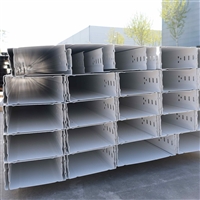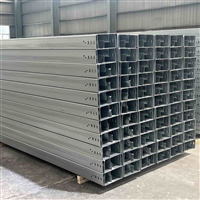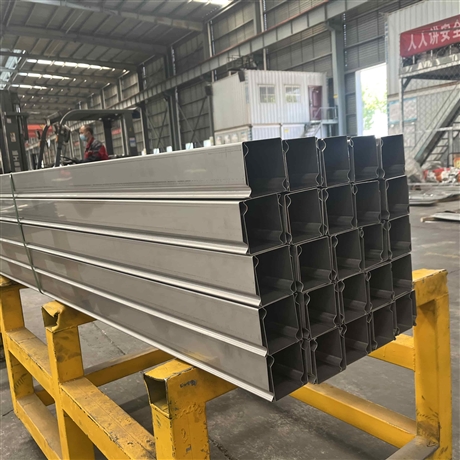

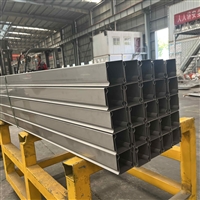
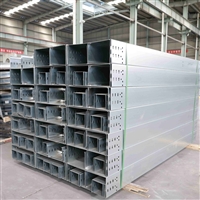
Stainless steel trough bridge, corrosion-resistant high-strength cable laying, trunking
Category:
Electrical Engineering/Distribution and transmission equipment/Bridge
Model:
50*50-1000*200
Brand:
Wanli Fang
Material:
201/304/316L stainless steel
Surface Treatment:
Drawing/Polishing
Execution Standard:
JB/T 10216-2013
Common wall thickness:
0.6mm-3.0mm
Protection rating:
IP54
Applicable Environment:
Strong corrosion/high humidity/outdoor
connection method:
Bolt connection/welding
Grounding method:
Grounding of jumper wires
Retail Price
10,000,000.00USD
重量
kg
- Product Description
-
Material 201/304/316L stainless steel
Surface Treatment Drawing/Polishing
Execution Standard JB/T 10216-2013
Common wall thickness 0.6mm-3.0mm
Protection rating IP54
Applicable Environment Strong corrosion/high humidity/outdoor
connection method Bolt connection/welding
Grounding method Grounding of jumper wires
Description :
Stainless steel trough type cable tray is a fully enclosed cable laying device, mainly used in highly corrosive environments or places with high requirements for electromagnetic shielding. It protects internal cables from external dust, liquids, and chemical gases through physical isolation, while providing excellent mechanical strength to support heavier cable loads. This category is widely used in various working conditions such as petrochemicals, papermaking, sewage treatment plants, and coastal facilities, to solve the problems of easy rusting and short service life of ordinary galvanized cable trays, and ensure the long-term stable operation of power transmission systems.
This product is usually made of 304 or 316L stainless steel sheet through cold rolling, bending, welding, and surface polishing treatment. The common wall thickness range is 1.2mm to 2.5mm, depending on the width specifications, in accordance with the JB/T 10216-2013 standard for cable trays for electrical control and distribution. Surface treatment options include wire drawing or mirror finish technology to enhance corrosion resistance and aesthetics. Structurally equipped with dedicated connection plates, bolts, and grounding jumper wires to ensure electrical continuity. The standard width includes 100mm to 800mm, and the height is mostly 50mm to 200mm, supporting customized non-standard sizes to meet complex on-site installation requirements.
When selecting, it is important to consider the environmental corrosion level and cable filling rate. In areas with strong acid, strong alkali or high salt spray, it is recommended to use 316L material; Generally, 304 material is sufficient to meet the requirements in humid environments. Compared with tray type cable trays, trough type cable trays have better sealing but slightly weaker heat dissipation, so they are not suitable for densely laid high-power heating cables unless heat dissipation holes or ventilation covers are installed. If frequent maintenance of the circuit is required, it is recommended to use it in conjunction with a flip design. When purchasing, the spacing between brackets, bending angles, and accessory configurations should be clearly defined to avoid delays in the project schedule due to missing accessories.
During the installation process, the bridge should be kept horizontal and vertical, and the distance between the fixing points of the brackets should not exceed 2 meters. Additional supports should be added at turning points to prevent deformation. The bolts and nuts at the connection should be installed facing outward for easy maintenance and disassembly in the future. Daily maintenance only requires regular cleaning of surface dust and stains, checking if the grounding connection is secure, without the need for special anti-corrosion coating maintenance. If rust spots are found on local welds, they should be promptly polished and repaired by applying passivation paste. Proper installation and maintenance can significantly extend the service life of stainless steel trough type cable trays, reduce overall operation and maintenance costs, and ensure the safety of cable systems.
AfterSalesService :
Key words: