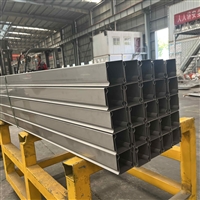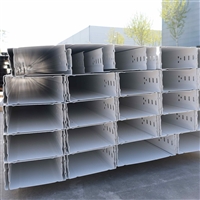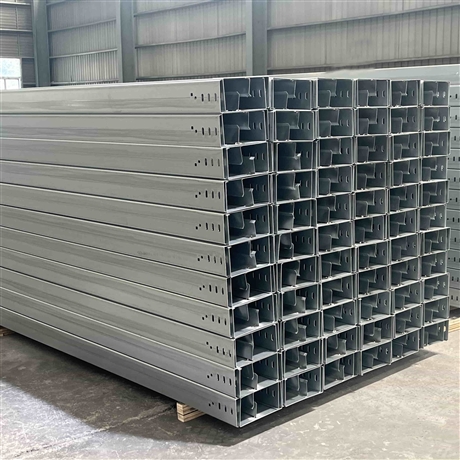

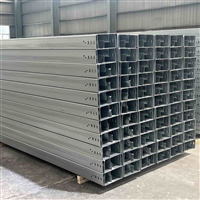
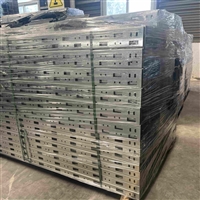
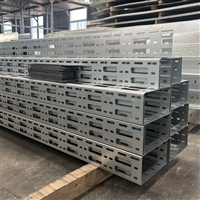
Steel cable tray with strong and weak electrical wiring support, anti-corrosion and durable specifications, complete
Category:
mechanical equipment/Distribution and transmission equipment/Bridge
Model:
Slot style
Brand:
Wanli Fang
Material:
Cold rolled steel plate/hot-dip galvanized/stainless steel
Surface Treatment:
Electrostatic spraying/hot-dip galvanizing/fireproof coating
structural form:
Cascade/tray/trough/combination
Common width:
50mm-1200mm
Common height:
25mm-200mm
plate thickness:
0.8mm-2.5mm
Execution Standard:
JB/T 10216-2013
Protection rating:
IP30-IP54
fire resistance time:
≥ 60 minutes (fireproof type)
Applicable Environment:
Indoor/Outdoor/Corrosive Environment
Retail Price
10,000,000.00USD
重量
kg
- Product Description
-
Material Cold rolled steel plate/hot-dip galvanized/stainless steel
Surface Treatment Electrostatic spraying/hot-dip galvanizing/fireproof coating
structural form Cascade/tray/trough/combination
Common width 50mm-1200mm
Common height 25mm-200mm
plate thickness 0.8mm-2.5mm
Execution Standard JB/T 10216-2013
Protection rating IP30-IP54
fire resistance time ≥ 60 minutes (fireproof type)
Applicable Environment Indoor/Outdoor/Corrosive Environment
Description :
Cable tray is a structural system used to support and protect cables, mainly solving the problems of laying and managing power and communication lines in buildings or industrial facilities. It is suitable for typical working conditions such as power plants, substations, factory workshops, and high-rise buildings, and can effectively isolate electromagnetic interference, prevent cables from being mechanically damaged and environmentally corroded. As a key component in electrical installation engineering, cable trays not only provide standardized wiring paths, but also facilitate later maintenance and expansion, ensuring the safety and stability of power transmission. They are an indispensable infrastructure for modern electrical wiring.
These products are usually made of high-quality cold-rolled steel sheet, hot-dip galvanized sheet, stainless steel or aluminum alloy materials. Their surfaces are treated with electrostatic spraying, hot-dip galvanizing or fireproof coating, and have excellent anti-corrosion, fireproof and anti-aging properties. Common implementation standards include JB/T 10216-2013 "Cable Trays for Electrical Control and Distribution" and GB/T 23639-2017 "Technical Conditions for Corrosion resistant Steel Cable Trays". The structural forms include step type, tray type, groove type and combination type, with width specifications ranging from 50mm to 1200mm, height usually between 25mm and 200mm, and plate thickness ranging from 0.8mm to 2.5mm depending on the width, meeting various load requirements.
When selecting, it is necessary to choose according to the laying environment, cable type, and load level. Strong and weak current cables should be laid in layers or shielded cable trays should be used to avoid interference; For corrosive environments such as chemical plants and beaches, it is recommended to use hot-dip galvanized or stainless steel materials; Places with high fire prevention requirements such as subways and tunnels should use fire-resistant cable trays. Cascade style heat dissipation is good but unprotected, suitable for large-diameter power cables; The groove type has good sealing performance and is suitable for computer cables or sensitive signal lines. Different from ordinary conduits, cable trays are more suitable for scenarios where multiple cables are laid together and require frequent maintenance, with higher installation flexibility.
During installation, it is necessary to ensure that the spacing between brackets meets the specifications. Generally, the horizontal laying spacing is 1.5m-3m, and the vertical laying spacing should not exceed 2m, and it should be kept horizontal and vertical. The connecting plate bolts should be tightened and the nuts should be located on the outside of the bridge. The grounding jumper must be reliably connected to ensure electrical continuity. During daily maintenance, it is necessary to regularly check whether the bracket is loose, whether the surface coating is peeling off, and clean the accumulated dust to prevent poor heat dissipation. Common faults include local corrosion, deformation, or poor grounding. Once discovered, the anti-corrosion layer should be repaired or the damaged section should be replaced in a timely manner to avoid affecting the overall structural strength and electrical safety, and to extend the service life of the cable tray.
AfterSalesService :
Key words: