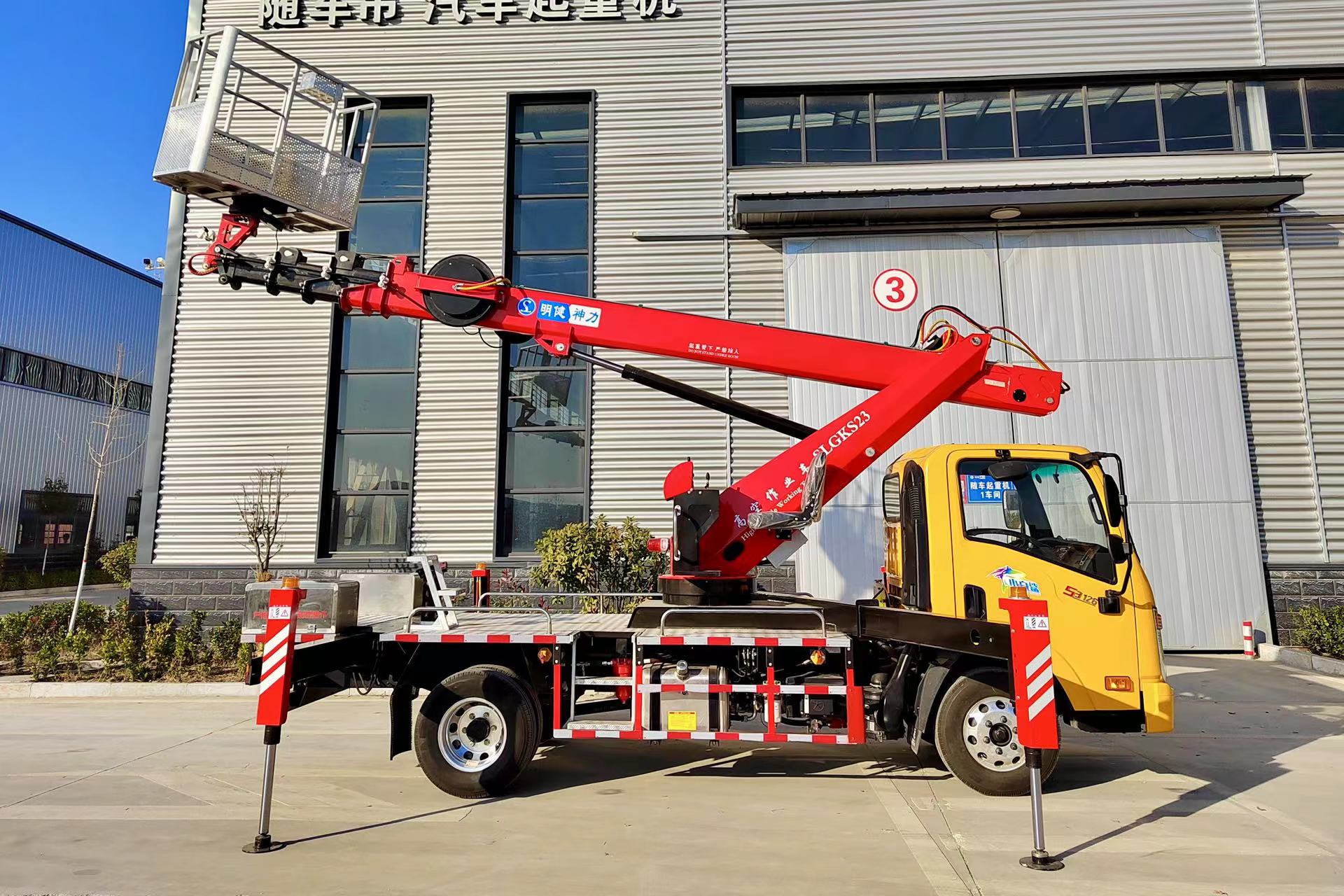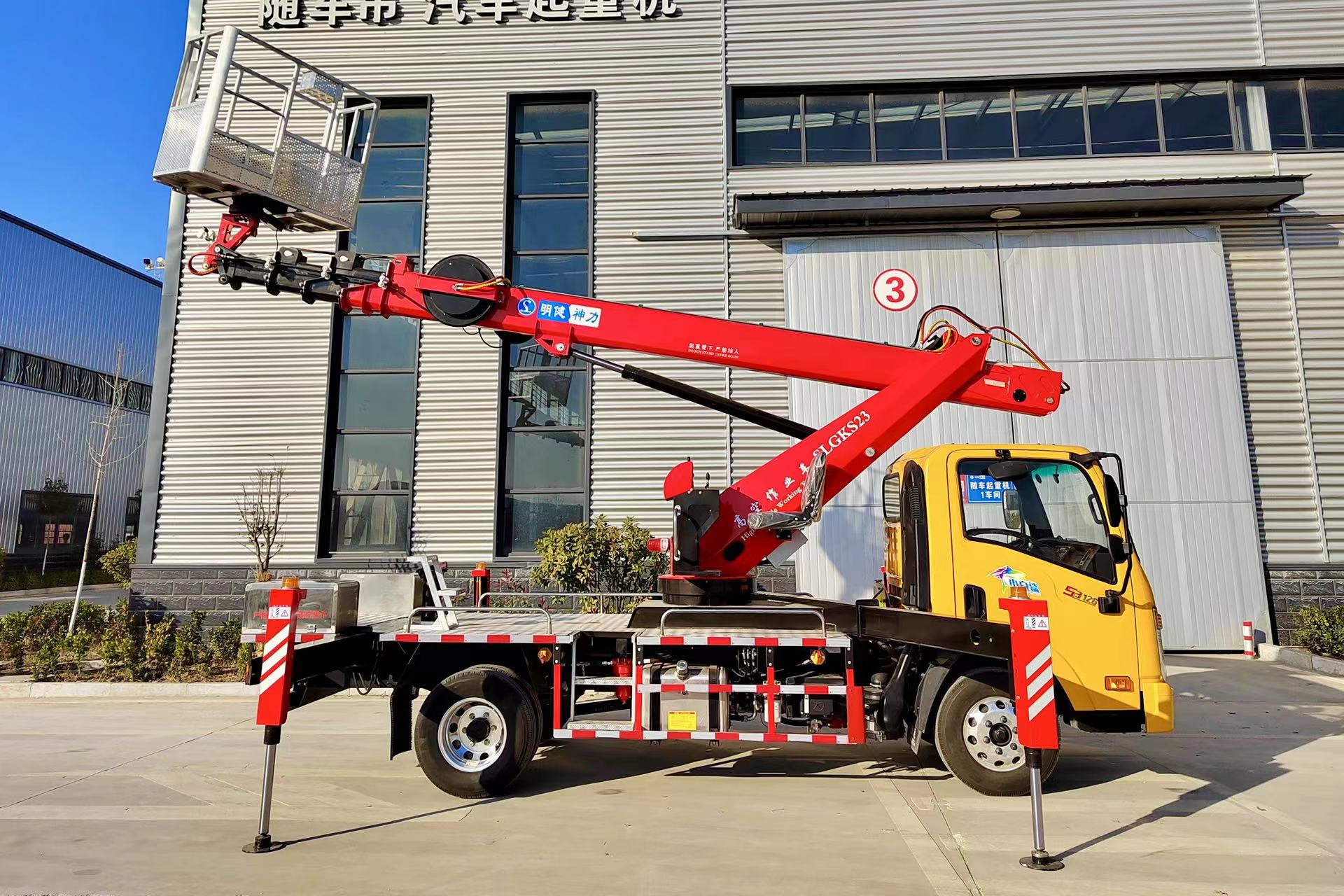

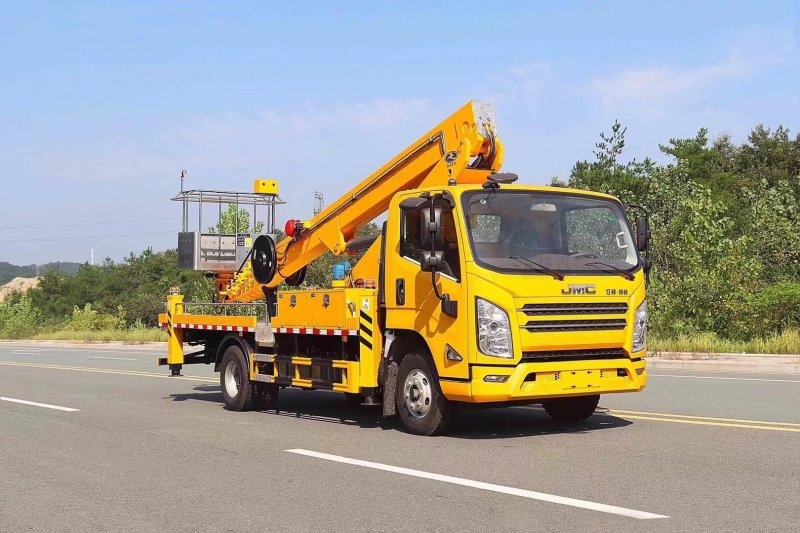
Pure electric aerial work platform with smooth lifting and low noise, suitable for municipal garden power maintenance
Category:
auto parts/Other automotive and motorcycle classifications/High altitude work vehicle
Model:
df
Brand:
high altitude
Power Type:
pure electric
working height:
14-28 meters
Battery Type:
Lithium iron phosphate battery
Charging method:
AC/DC fast charging
maximum load:
200kg
Rotation angle:
360 degree full rotation
Leg form:
H-type leg
Control method:
Up and down dual control
Retail Price
10,000,000.00USD
重量
kg
- Product Description
-
Power Type pure electric
working height 14-28 meters
Battery Type Lithium iron phosphate battery
Charging method AC/DC fast charging
maximum load 200kg
Rotation angle 360 degree full rotation
Leg form H-type leg
Control method Up and down dual control
Description :
Pure electric aerial work vehicle is a new type of special operation vehicle driven by new energy power batteries, mainly solving the pain points of traditional fuel vehicles being unable to operate indoors, in tunnels, or in areas with strict restrictions on environmental noise and emissions. This model has undergone chassis electrification transformation, retaining the high efficiency of the original hydraulic lifting system while achieving zero emissions and low-noise operation. Typical working conditions include maintenance of urban road lights, pruning of landscaping, inspection of power lines, and installation of high-altitude facilities inside large venues. Compared to traditional fuel powered vehicles, pure electric aerial work vehicles have more advantages in start-up response speed and smooth operation, especially suitable for municipal engineering and enclosed space work scenarios in first tier cities with high environmental requirements. They are an ideal choice for green construction.
This model is usually modified based on a mature Class II chassis, with working heights ranging from 14 meters to 28 meters and other common specifications. The specific parameters depend on the chassis load-bearing capacity. The power system adopts high-energy density lithium iron phosphate battery pack, supporting fast charging and slow charging modes, with a range of generally over 200 kilometers, meeting the daily operation needs. The upper part adopts high-strength manganese steel arm frame, and the structure is optimized through finite element analysis to ensure stability under strong wind conditions. The execution standard complies with the national standard GB/T 9465 "Aerial Work Vehicles", and is equipped with multiple safety devices such as emergency descent valves, tilt alarms, and overload protection. The electrical system has an IP67 protection level and is suitable for harsh weather conditions such as rain and snow. The battery pack is equipped with a thermal management system to ensure normal operation in ambient temperatures ranging from -20 ℃ to 50 ℃.
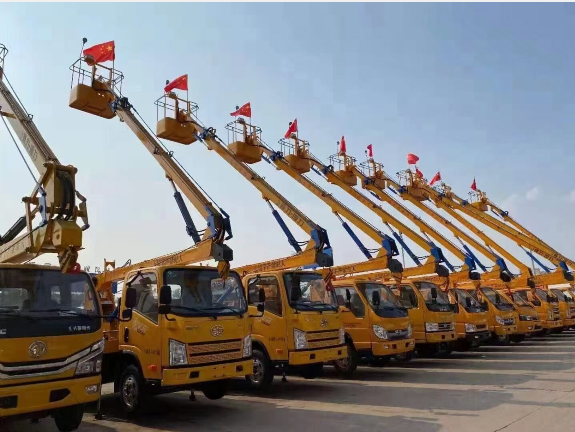
When selecting, it is important to consider the height, amplitude, and overall vehicle passability of the task. If the work environment is mostly narrow streets or indoor halls, it is recommended to choose a folding arm or straight folding hybrid arm structure, which has a small receiving size and high flexibility; If you need to cross obstacles on a large scale, a curved arm style is more suitable. Although the pure electric version is environmentally friendly, on-site charging conditions need to be confirmed. If there is no fixed charging station, the feasibility of swapping or moving the charging vehicle needs to be evaluated. Compared with the fuel version, the initial purchase cost of pure electric aerial work vehicles is slightly higher, but the later operation and maintenance costs are significantly reduced, with no engine maintenance costs. Pay attention to distinguishing between hybrid and pure electric models. The former still retains the fuel system, while the latter relies entirely on electricity. When purchasing, the selection should be based on the actual continuous operating hours and environmental regulations, to avoid blindly pursuing high configurations and wasting resources.
In terms of installation and use, it is necessary to check whether the support legs are fully extended and locked before operation, and the ground bearing capacity must meet the requirements. If necessary, a cushion plate should be laid. Daily maintenance focuses on the insulation performance of high-voltage wiring harnesses, the SOC balance status of battery packs, and whether there is leakage in hydraulic pipelines. It is recommended to lubricate the arm pivot after daily homework and regularly check the tire pressure and wear condition. Common faults include sudden decrease in battery life, slow hydraulic action, etc., which are often caused by low temperature environments or clogged filter elements, and should be promptly investigated. When parked for a long time, the battery level should be maintained within the range of 50% -80%, and charging and discharging maintenance should be carried out every month to extend the battery life. Operators must hold a special operation certificate, strictly follow safety operating procedures, and are strictly prohibited from overloading or working with diseases to ensure the safety of personnel and equipment.
AfterSalesService :
Key words:
More Products